October 13, 2025 · 1 min read
Largest Empire in Central Asia: A Clear Guide
Short answer
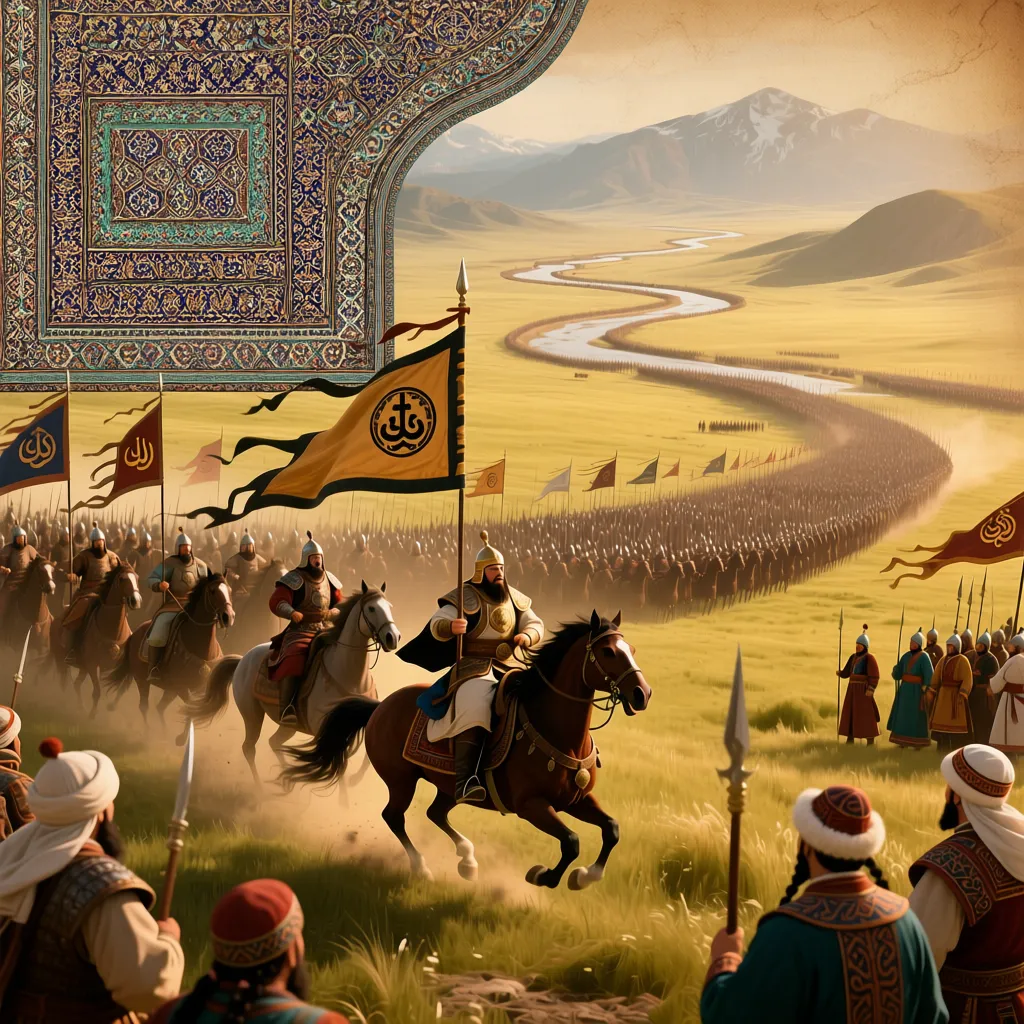
The Mongol Empire was the largest empire to rule across Central Asia. In the 13th–14th centuries it unified the steppe from Mongolia to the Caspian, brought Transoxiana (Samarkand, Bukhara, Khwarazm) under Chinggis Khan and his heirs, and secured the Silk Road. Within the region, authority later settled into the Chagatai Khanate, a key Mongol successor state.
What "largest" means here
- By total size among empires that included Central Asia, the Mongol Empire stands first.
- If you mean the largest empire centered in Central Asia after the Mongols, the Timurid Empire was the most expansive and influential.
How it compares: quick timeline of major powers
- Achaemenid Empire (c. 550–330 BCE): Incorporated Sogdiana and Bactria, linking Central Asia to a wider imperial system and early trade routes.
- Kushan Empire (1st–3rd c. CE): Bridged Bactria and northern India; boosted commerce and cultural exchange along the Silk Road.
- First Turkic Khaganate (6th–7th c.): A vast steppe confederation that controlled much of the Central Asian steppe.
- Samanid Emirate (9th–10th c.): Persianate renaissance in Bukhara and Samarkand; shaped regional culture and trade.
- Karakhanids (10th–12th c.): Turkic dynasty pivotal in the Islamization of the region.
- Khwarazmian Empire (12th–13th c.): A powerful state in Transoxiana before the Mongol conquest.
- Mongol Empire (1206–1368): Largest contiguous empire in history, spanning Central Asia and beyond.
- Chagatai Khanate (13th–14th c.): Mongol successor ruling much of Central Asia.
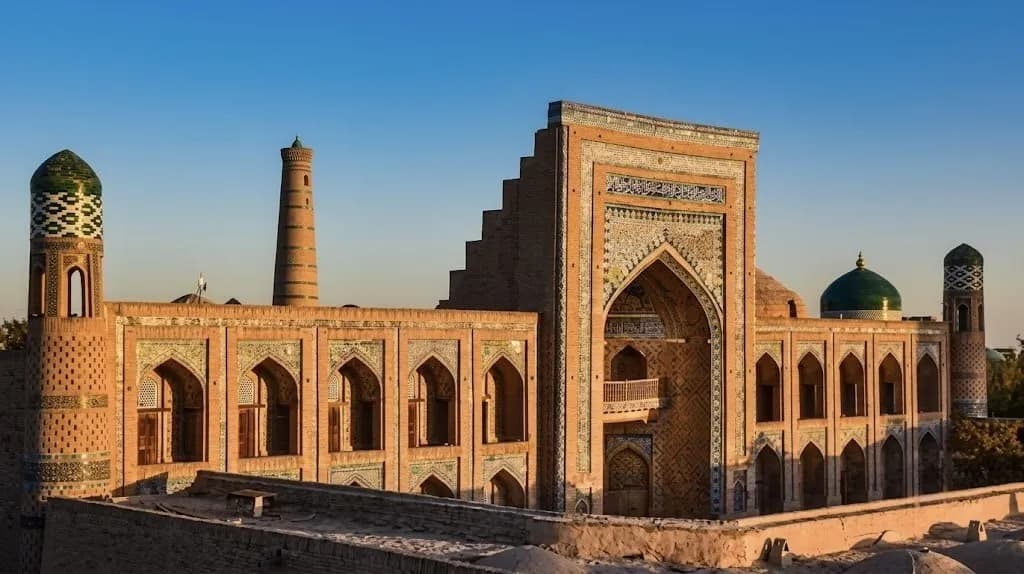
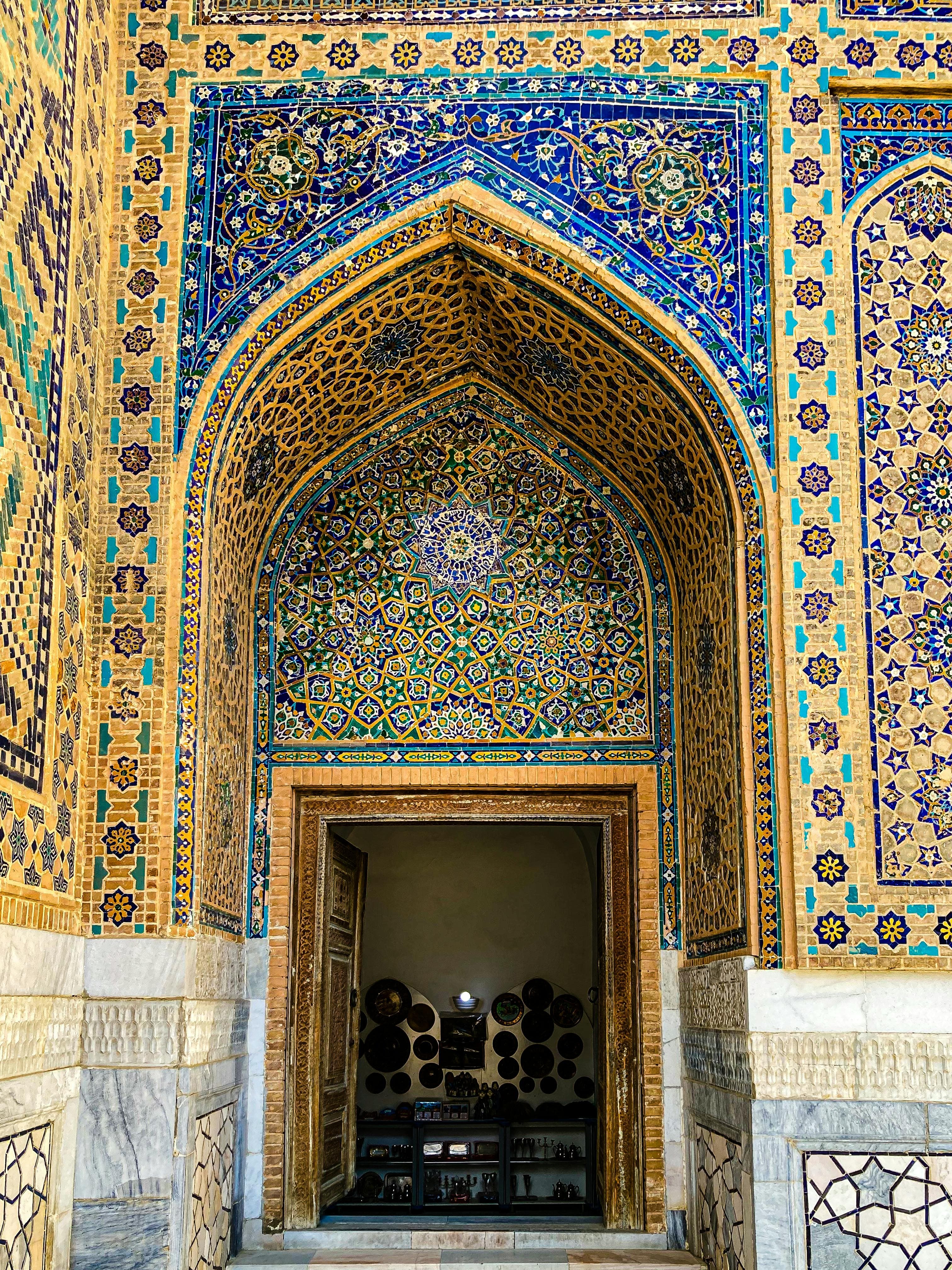
- Timurid Empire (late 14th–early 16th c.): Central Asian–centered empire; famed for architecture, arts, and scholarship in Samarkand and Herat.
Why the Mongols prevailed across Central Asia
- Mobile warfare: Horse archery, coordinated tumens, rapid logistics.
- Flexible rule: Local elites retained roles; taxation and law adapted to regional realities.
- Trade security: Protected caravan routes, postal relay (yam), and cities along the Silk Road.
- Religious tolerance: Encouraged commerce and skilled migration across the empire.
What counts as Central Asia
Modern definitions usually include Kazakhstan, Kyrgyzstan, Tajikistan, Turkmenistan, Uzbekistan, and often Xinjiang. Core historical zones: Transoxiana/Sogdiana, Bactria, and the Fergana Valley.
Go deeper into early roots
Long before imperial unifications, the Bronze Age Oxus Civilization (BMAC) laid foundations for urban life and trade in the region. For an accessible intro, read Minzifa Travel's BMAC overview. If you're mapping routes around ancient Bactria and Margiana, this concise Oxus (BMAC) guide is a practical starting point.
Quick FAQ
- Who was the largest empire in Central Asia? The Mongol Empire.
- Largest empire based in Central Asia after the Mongols? The Timurid Empire.
- Most formative pre-Mongol powers? Achaemenids for integration into wider empires; Samanids for culture and learning.
In short, if you're asking about sheer size that encompassed Central Asia, the answer is the Mongol Empire. For the region's earlier origins and cities that later flourished under empires, start with the Bronze Age Oxus story via Minzifa Travel's detailed overview linked above.