October 9, 2025 · 1 min read
Why Central Asia Matters in World History
Central Asia stands at the heart of the Old World. From the Caspian to western China, its steppe, deserts, and oasis cities connected empires, moved ideas, and shaped the course of global history. If you have ever wondered why caravans, conquerors, and scholars kept crossing this region, the short answer is simple: geography, mobility, and exchange. For a focused look at the nomadic role, explore why Central Asian nomads shaped world history.
At a glance
- Crossroads of the Silk Roads linking China, India, the Middle East, and Europe.
- Home to powerful nomadic confederations that transformed states and warfare.
- Channel for technologies, religions, and sciences across continents.
- Arena where Persian, Turkic, Mongol, Islamic, Russian, and Soviet influences met.
- A living case study in how environment and geography drive history.
The Silk Roads: movement of goods and ideas
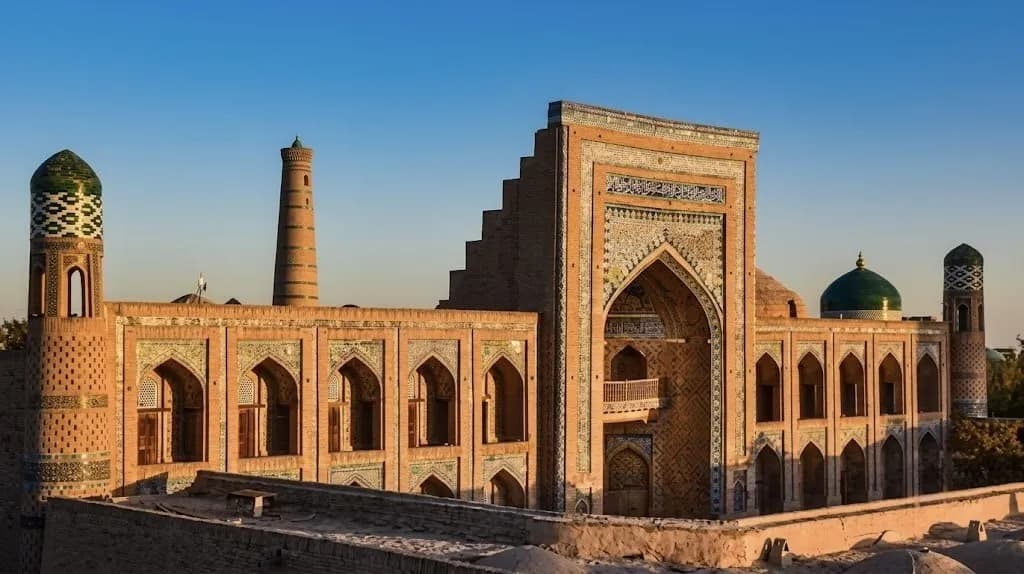
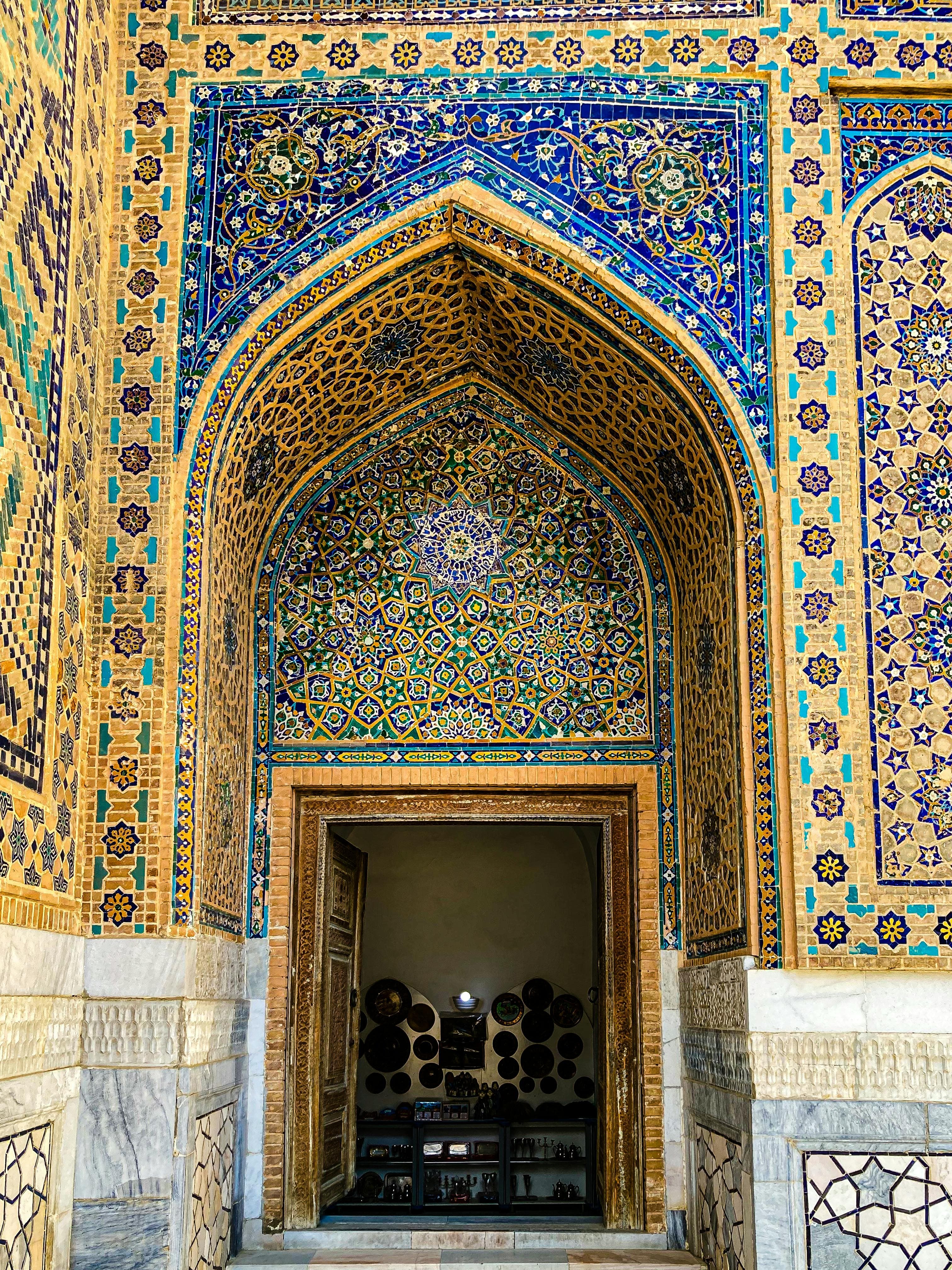
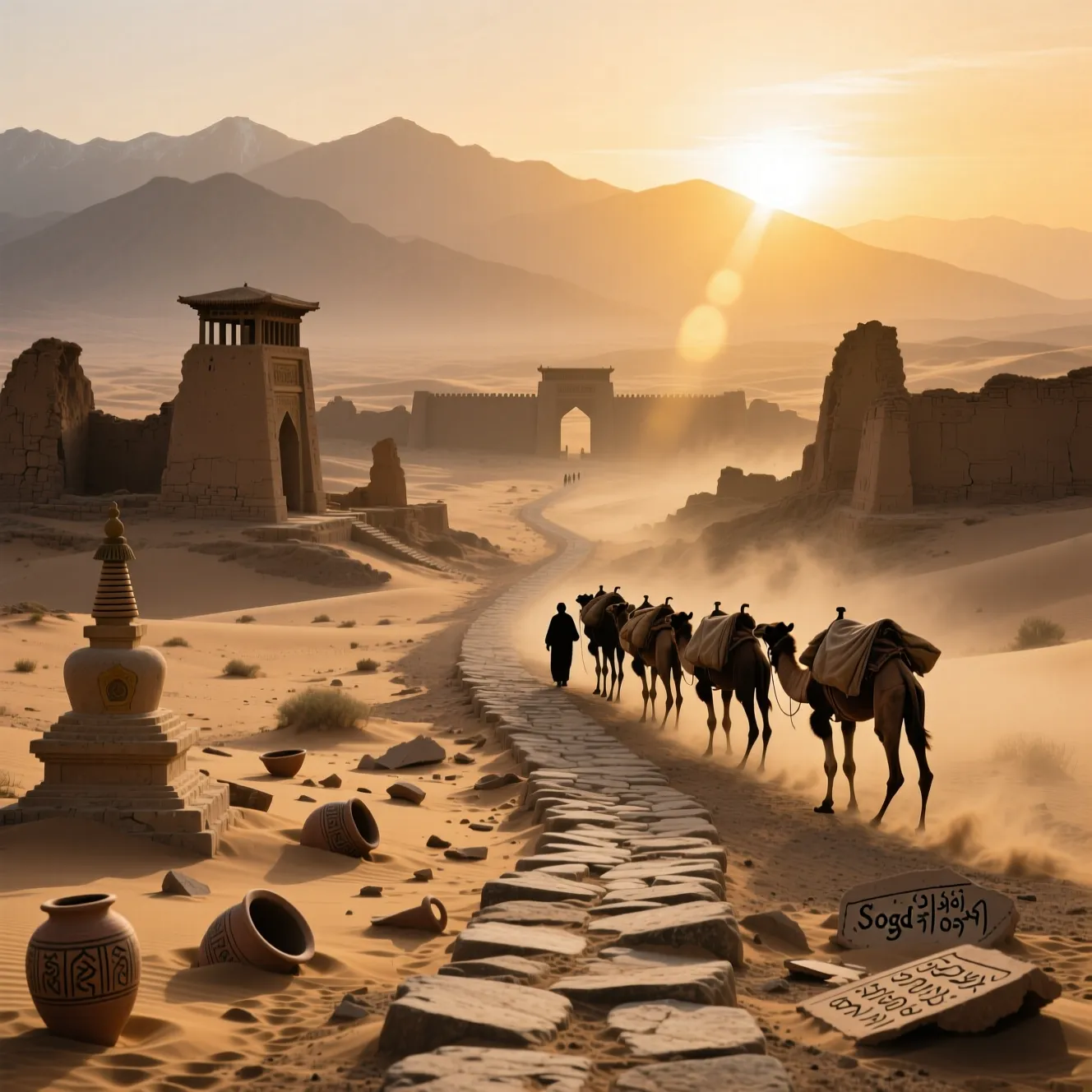
Central Asia's oasis cities—Samarkand, Bukhara, Merv, Kashgar—were hubs on the Silk Roads. Traders moved silk, paper, glass, spices, and horses. Along those same routes traveled beliefs (Buddhism, Islam, Christianity), art styles, coinage, and languages. The result was not just commerce, but cultural blending visible in architecture, textiles, and script traditions. Safe passage under strong steppe empires often meant trade booms; when the routes fractured, economies far away felt it.
Nomads and empires: mobility as power
Mounted archers from the steppe—Scythians, Huns, early Turks, and later the Mongols—rewrote military and political rules. Speed, logistics on horseback, and flexible alliances gave them an edge over slower agrarian states. Turkic khaganates bridged China and Persia; the Mongol Empire created the largest land empire in history and briefly unified Eurasian routes. That unity improved postal systems, standardized weights and measures in places, and made long-distance trade safer, even as conflict and disease (including the Black Death) spread along the same networks. For deeper context, see this guide on how Central Asian nomads shaped world history.
Technology and knowledge on the move
Ideas rarely stay put. Paper-making techniques moved west, helping Europe's later print revolution. Techniques in metalwork, saddles, stirrups, and composite bows spread with riders and merchants. In the Islamic Golden Age, Central Asian scholars helped set standards in medicine, mathematics, and astronomy. Think of Ibn Sina (Avicenna) from the Bukhara region or Ulugh Beg's observatory in Samarkand, where precise star catalogs improved navigation and calendar-making far beyond the region.
A religious crossroads
Central Asia witnessed an uncommon mix of faiths. Buddhism flowed from India toward China through oasis monasteries. Nestorian Christian communities left inscriptions in Silk Road towns. Zoroastrian practices persisted in earlier periods. From the 8th century, Islam took root, and Sufi networks later tied artisans, traders, and students across cities. This blend fostered debate, translation, and learning that enriched neighboring civilizations.
Empires, borders, and modern legacies
Persian dynasties, the Arab Caliphates, the Timurids, and later the Russian Empire and the Soviet Union ruled parts of the region. The "Great Game" between Russia and Britain redrew maps and built new roads and railways. Soviet policies reoriented economies, introduced mass education, and set national borders that still matter. The environmental story also looms large: irrigation transformed oases but the Aral Sea disaster remains a warning about short-term planning in fragile landscapes.
Why this matters beyond the region
- World trade systems: The health of Eurasian commerce often rose and fell with Central Asian stability.
- Statecraft and warfare: Steppe tactics forced empires to adapt administration, diplomacy, and defenses.
- Science and culture: Translators, scholars, and artisans spread breakthroughs across continents.
- Global crises: Plagues and conflicts traveled along the same routes of connection.
Common questions
- What single factor explains Central Asia's importance? Geography. It is the land bridge between major population centers. Add horse culture and oasis cities, and you get durable exchange.
- Was it only about the Mongols? No. Turkic states, earlier steppe groups, and later imperial powers all left deep marks. The Mongols are one pivotal chapter in a longer story.
- Did the Silk Roads end with sea routes? Maritime trade grew, but inland routes persisted, shifted, and revived. Overland links stayed vital for regional exchange and ideas.
Today's relevance
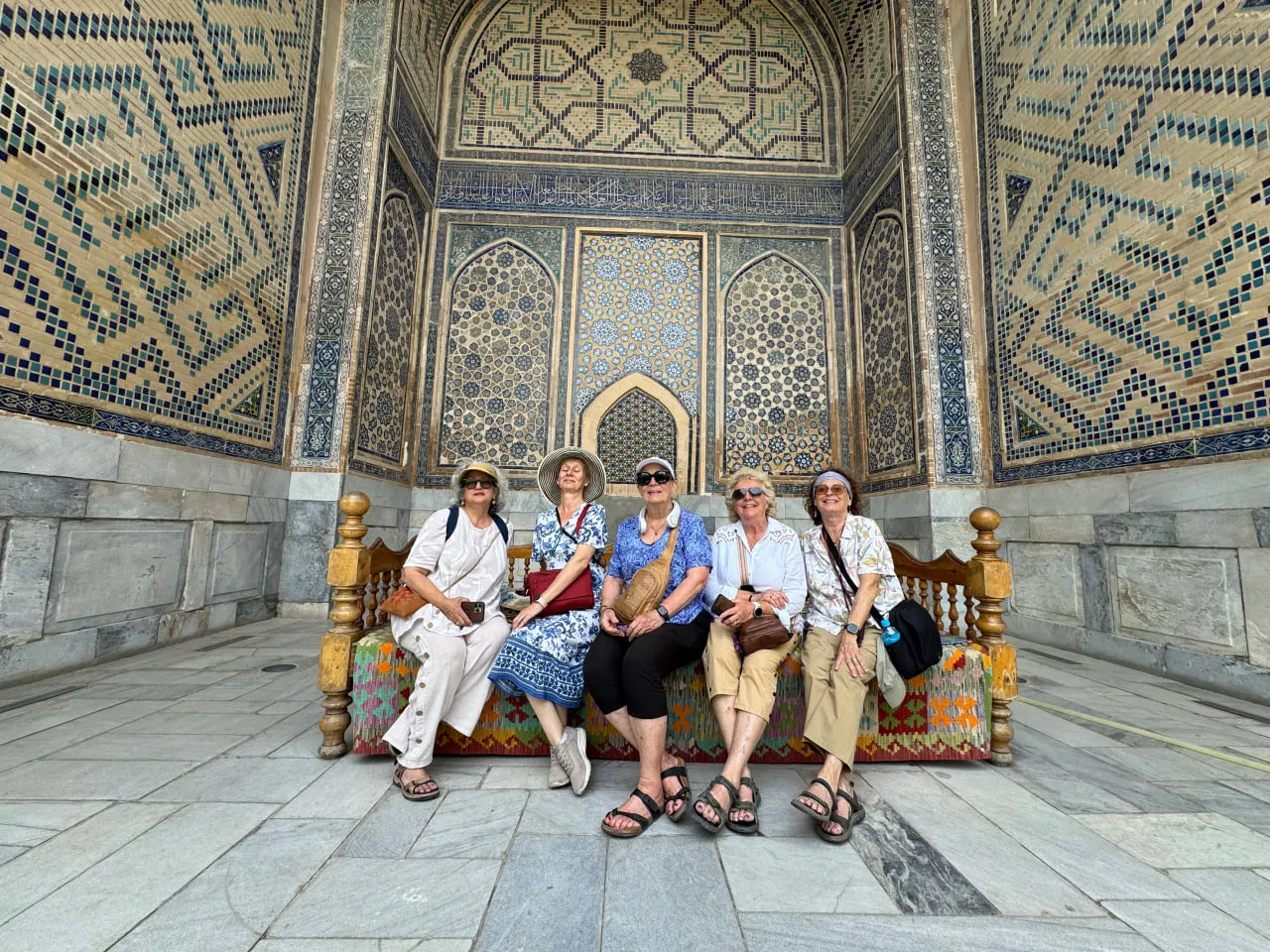
Pipelines, rail corridors, and digital routes again place Central Asia at the center of Eurasian connectivity. Tourism highlights UNESCO sites in Samarkand, Bukhara, Merv, and Khiva, while scholars revisit sources in multiple languages to connect local finds with global narratives. If you want a clear, traveler-friendly angle on the nomadic thread in this larger picture, read why Central Asian nomads shaped world history.
Bottom line
Central Asia is important to history because it connected people, powered movement, and spread knowledge. Its story shows how geography, technology, and culture interact—shaping the world far beyond the steppe.