November 3, 2025 · 1 min read
What is historical significance of nomadic people?
Historical Significance of Nomadic Peoples: A Clear Guide
Nomadic peoples shaped world history far beyond the old stereotype of "wanderers." They linked far-flung regions, carried ideas, and pushed empires to adapt. Markets, roads, and even state systems grew at the edges where steppe, desert, and farmland meet. If you want to see how caravan routes turned into living bridges between cultures, explore this itinerary: Silk Road tour.
Who are nomadic peoples?
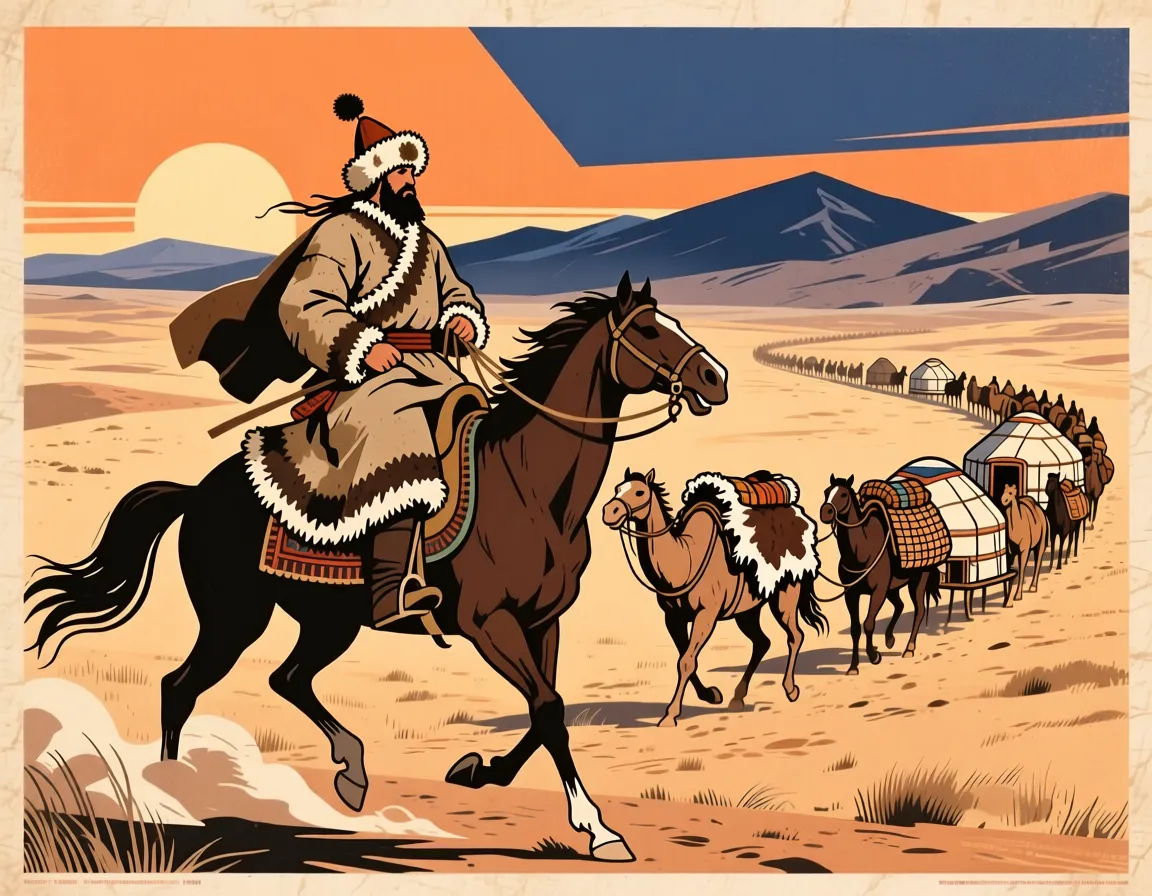
Nomads are communities whose livelihoods depend on movement. Many practice pastoralism—seasonal herding of sheep, goats, horses, camels, or yaks. Others focus on long-distance trade along fixed routes. Mobility is not chaos; it is a strategy. Camps move with pasture and water. Families share herds to spread risk. Tribes and clans form alliances to manage grazing rights and resolve disputes.
Why they mattered
Trade corridors. Nomadic guides, guards, and traders connected China, Central Asia, the Middle East, and Europe. In Africa, camel caravans tied the Mediterranean to the Sahel and beyond. These routes moved silk, salt, gold, furs—and, most importantly, knowledge. State-building and diplomacy. Steppe confederations negotiated, taxed, and sometimes ruled farming populations. Treaties, hostages, and marriage alliances helped manage huge spaces with few cities. Technology and techniques. Saddles, stirrups, composite bows, horse and camel care, courier relays, and felt tents spread widely through nomadic exchange. Cultural exchange. Languages, music, clothing, and beliefs mixed at caravan hubs. Towns on the steppe edge often grew into major markets or capitals. Environmental management. Rotating pastures and seasonal movement can reduce overgrazing and make drylands productive without heavy irrigation.
Regional snapshots
Eurasian steppe. From early steppe peoples to Turkic and Mongol confederations, mobility enabled fast warfare, taxation of trade, and open corridors across Inner Eurasia. Sahara. Berber and Tuareg caravans carried salt and gold; oasis towns became centers of scholarship and craft. Arabia. Bedouin tribes organized travel, security, and trade across deserts, linking the peninsula with nearby empires. North American Plains. Horse cultures reshaped hunting, diplomacy, and regional trade in the early modern period. Today, curated routes let travelers trace these legacies with care. For a focused experience, start here: nomadic heritage journey.
Long-term legacies
Markets and cities. Many cities began as caravan stops positioned at water, pasture, or river crossings. Institutions. Diplomatic norms, postal relays, and flexible taxation models show mobile influences. Knowledge transfer. Veterinary skills, mapping traditions, star lore, and medical ideas crossed continents with traders and herders. Cultural memory. Epics, oral histories, textiles, and metalwork preserve mobile lifeways and shape modern identities.
Today and how to engage
Pastoral mobility still supports livelihoods across Central Asia, the Middle East, and Africa. Climate stress makes flexible movement even more relevant. Visitors should: Hire local guides who pay fair wages and respect seasonal rhythms. Follow camp etiquette: ask before photographing people or animals. Support conservation: choose routes that avoid pressure on scarce water and grazing.
Learn basics: a few words, a greeting, and patience go a long way.
If you plan a trip, compare responsible options here: responsible nomadism tour.
Conclusion
Nomadic peoples were not peripheral to history. They were central connectors—economically, politically, and culturally. Their mobility built networks that carried goods and ideas across continents, leaving marks we still see in roads, cities, and customs today.