October 15, 2025 · 1 min read
Who Are Mongolian Nomads? History and Life
Who are Mongolian nomads?
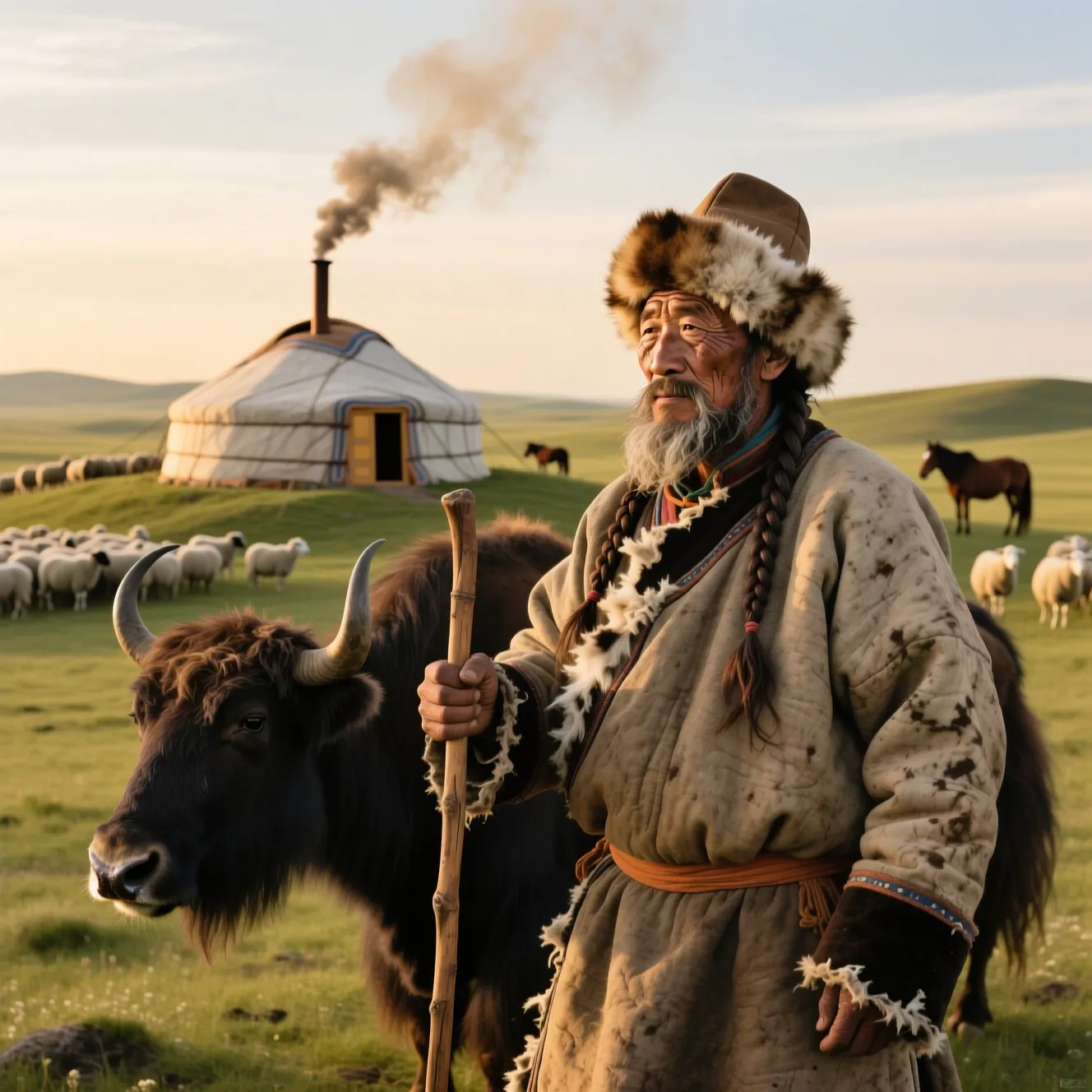
Mongolian nomads are pastoral herders who move with the seasons to find the best grass and water for their animals. Their way of life is shaped by open steppe, strong winds, and long winters. Families live in portable felt tents called gers (also known as yurts), travel light, and value hospitality, self‑reliance, and respect for nature.
If you want a clear overview of their history and traditions, this helpful article is a good start: Mongolian nomads guide.
A quick snapshot
- Core livelihood: herding sheep, goats, horses, cattle/yaks, and camels (in the Gobi)
- Home: the ger—warm, portable, easy to assemble and repair
- Movement: seasonal migrations with spring, summer, autumn, and winter pastures
- Food: meat and dairy (airag/fermented mare's milk, yogurt, dried curds)
- Values: generosity to guests, care for animals, and community support
How this lifestyle took shape
For centuries the grasslands of Inner Asia supported mobile herding cultures. This mobility allowed people to handle droughts and harsh winters and later powered the rise of the Mongol Empire in the 13th century. Horses made long-distance travel possible, while felt-making, leatherwork, and compact tools kept life simple and durable. In the 20th century, many herders joined collectives; after the 1990s, private herding returned. Today, some families remain fully nomadic, many are semi‑nomadic, and others split time between the steppe and towns.
Daily life on the steppe
- The ger: Built from a wooden frame and felt layers, with a central stove. The door faces south for light and warmth. Inside, space is organized with clear rules: the hearth at the center, bedding and saddles neatly arranged, and places of honor for guests.
- Animals and seasons: Families plan moves to protect pastures and animals. Winter camps are sheltered; summer areas are wide and windy. Herding starts early: milking, checking water, repairing fences, and training young horses.
- Food and craft: Milk becomes tea, yogurt, butter, and aaruul (dried curds). Meat is boiled or steamed; nothing is wasted. Felt, rope, and tack are handmade and repaired as needed.
- Old meets new: You'll see solar panels powering lights, satellite dishes near gers, motorbikes and trucks beside horses, and smartphones used for weather and market prices.
Customs and etiquette to know
When visiting a herder's home:
- Accept tea and snacks with your right hand (or both hands) as a sign of respect.
- Don't step on the threshold when entering the ger.
- Move clockwise inside and avoid touching support pillars.
- Ask before taking photos, and don't whistle indoors.
- Keep the hearth area tidy; don't point your feet at it.
Culture and celebrations
- Naadam: Mongolia's summer festival with wrestling, horse racing, and archery.
- Music: throat singing (khöömei) and the horse‑head fiddle (morin khuur) evoke the steppe.
- Clothing: the deel, a long, belted robe adapted to wind and cold.
- Beliefs: a mix of Tibetan Buddhism, shamanic practices, and deep respect for sacred landscapes.
Challenges today
- Weather shocks (dzud—severe winter after summer drought) can kill large parts of a herd.
- Market swings, grazing pressure, and water scarcity affect income and movement.
- Education pulls families toward towns; many live part‑time in urban ger districts.
- Climate change adds uncertainty, pushing innovation in pasture management and cooperative herding.
How to visit responsibly
- Go with local guides who respect land and culture.
- Pay fairly for homestays, rides, and crafts; buy direct when possible.
- Pack out trash; use water carefully.
- Bring small, practical gifts (tea, fruit, school supplies) if you wish; avoid sweets for kids.
For a deeper look at nomadic life across Central Asia, including Mongolia, read the Minzifa Travel blog: nomadic peoples of Central Asia: history and today.
FAQ
- Are all Mongolians nomadic? No. Many live in cities or towns; a significant number of rural families are nomadic or semi‑nomadic.
- What animals are most important? Sheep and goats are most common, with horses and cattle/yaks central in many regions; camels in the south.
- Can I stay in a ger? Yes, through organized homestays and tours. Book with reputable local operators who support herder families.
- Is airag alcoholic? Yes, lightly. It's fermented mare's milk and a common summer drink.
- When is the best time to visit? Late May to September offers milder weather and many cultural events.
In short
Mongolian nomads are skilled herders whose seasonal movements, family bonds, and practical knowledge keep a centuries‑old lifestyle alive. While tools change—solar panels, smartphones, and motorbikes—the core values of hospitality, mobility, and care for animals remain. If you're planning a trip or research, start with this accessible overview: Mongolian nomads guide.