October 8, 2025 · 1 min read
Aral Sea Ecomuseum in Muynak: Living Memory
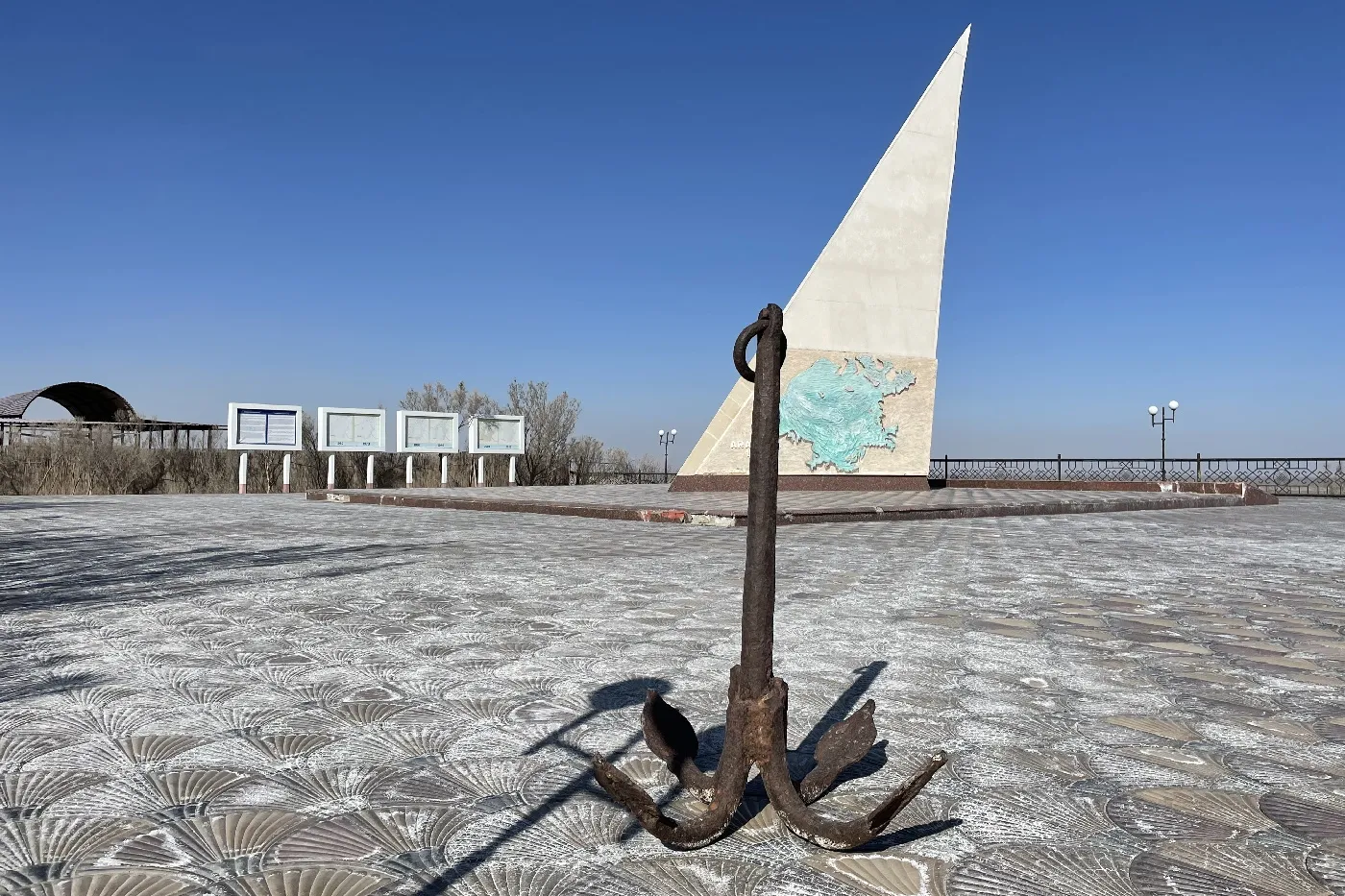
Where waves once breathed, the wind now tells the story. In Muynak, on the former shore of the Aral Sea, the Ecomuseum gathers fragments of a coastline that retreated beyond the horizon. Step inside and you enter a time capsule: fishing fleet manifests, sepia photographs of bustling harbors, bright sardine-can labels from thriving factories—then stark maps charting the sea’s collapse and the long, creaking silence that followed.
This compact museum is not grand, but it is deeply human. Exhibits trace how diverted rivers and ambitious monocultures rewrote geography, livelihoods, and memory. Rusted instruments, children’s drawings, and recorded testimonies sit side by side, translating statistics into lives lived at water’s edge. Outside, the famous “ship cemetery” rests on sand—hulks that once trailed gulls now cast shadows on salt-crusted earth.
Don’t miss:
- Before/after satellite maps and coastline models
- Archives of photographs and factory ephemera
- Stories from former fishermen and their families
- Contemporary art reflecting on loss and resilience
Practical notes: spring and autumn bring gentler weather; pair your visit with the Savitsky Museum in Nukus. Bring cash, tread lightly on the desertified seabed, support local guides and artisans, and leave with more than pictures—leave with perspective.