October 10, 2025 · 1 min read
Bukhara’s Toki Trading Domes Guide
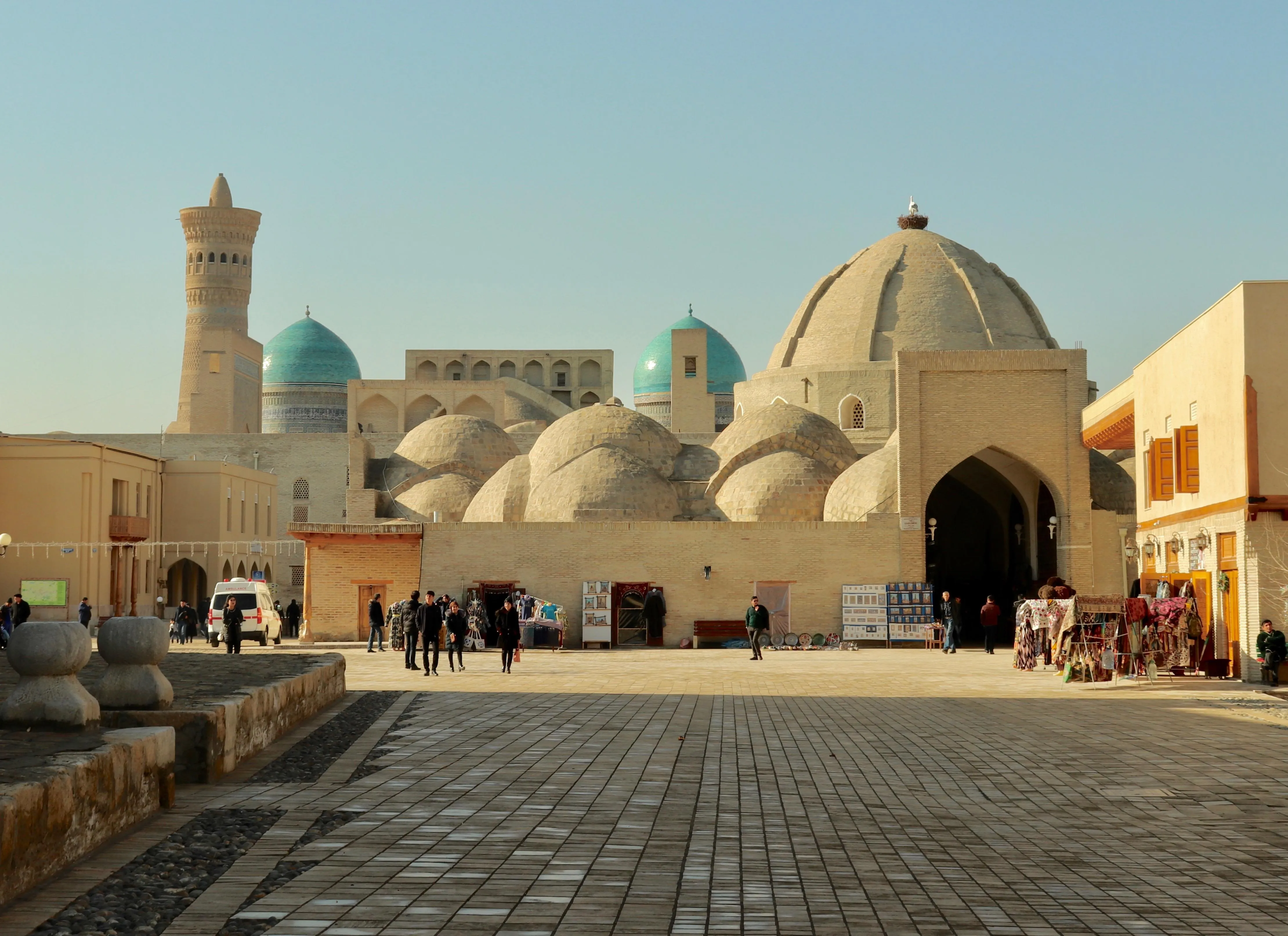
Step from sunlight into cool, honeycombed shadow, and the city begins to whisper. The Toki trading domes of Bukhara—arched, brick‑ribbed halls with starry skylights—once gathered caravans, coins, and stories from across the Silk Road. Today they still breathe that old rhythm: the clink of metal, the rustle of silk, the low hum of bargaining that feels more like theater than commerce.
What are the Toki?
Built mostly in the 16th century under the Shaybanids, the domes organized the bazaar into specialized hubs at key street crossings. Each name reveals its craft:
- Toki Zargaron — jewelers’ dome, a crown of light for goldsmiths.
- Toki Sarrafon — money-changers’ dome, where rates and rumors once swirled.
- Toki Telpak Furushon — cap sellers’ dome, famed for embroidered skullcaps and headgear.
Their thick walls temper desert heat, while oculus skylights sift daylight like flour, spotlighting stalls and keeping air in motion. The architecture isn’t just beautiful; it’s climate-smart urban design perfected by centuries of merchants.
What to see today
You’ll find handwoven carpets, suzani embroideries, filigree jewelry, knives with patterned steel, miniature paintings, and fragrant sweets. Pause to watch an artisan tap silver into filigree or trace the geometry of a tiled pendant. Photographers love the lattice of brick, the shafts of light, and faces that mirror a living tradition.
When to go
- Best seasons: spring and autumn for mild weather.
- Best hours: early morning (soft light, calm vendors) or late afternoon (golden glow). Midday heat still feels gentle beneath the domes.
Tips for respectful haggling
- Greet first; smile. Prices soften after a conversation.
- Carry cash; small bills help.
- Ask before photographing people.
- Check stitching, dye, and provenance; support co-ops and signed craftsmanship.
Nearby sights
Combine the domes with the Poi Kalyan ensemble and Lyabi-Hauz square to trace Bukhara’s urban spine. Between them, tea houses offer a sweet pause—perfect for weighing a purchase and letting the city’s old trade winds turn the pages of your day.