October 15, 2025 · 1 min read
Gaukushan Ensemble: Bukhara’s Hidden Courtyard Marvel
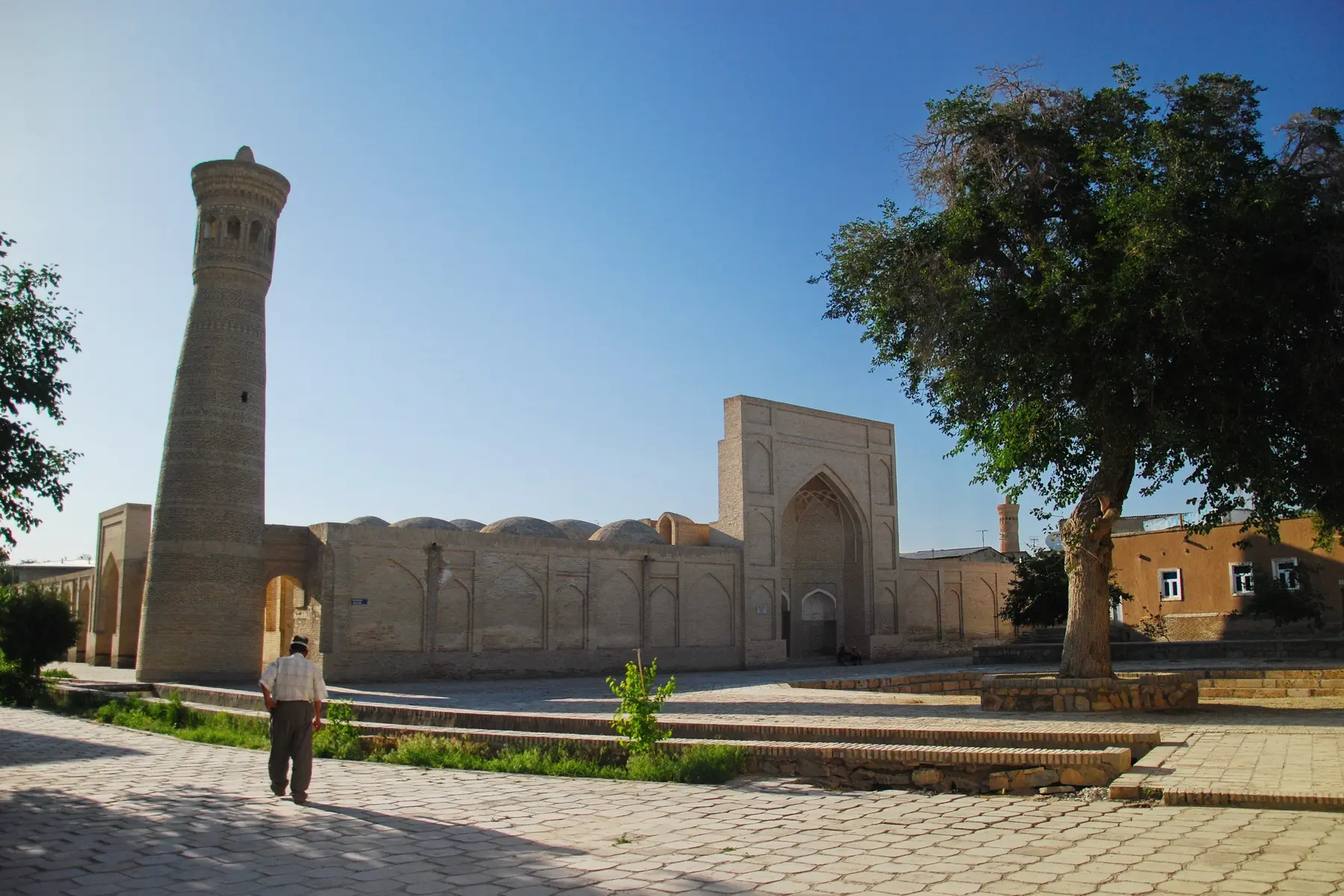
Cradled in Bukhara’s UNESCO-listed old town, the Gaukushan Ensemble is a hush within the bustle—a 16th-century precinct where sunlit brick and deep shade negotiate every step. Once a cattle market (its name nods to “cow slaughter”), the site was reborn under the Shaybanid rulers as a scholarly and spiritual hub with a madrasa and mosque sharing a broad, breezy courtyard. Stand beneath the pointed arches and you hear the city soften; trace the baked-clay patterns and you read geometry turned into prayer. It’s less famous than Poi-Kalyan, which is precisely its charm: fewer crowds, more silence, a gentler measure of time. Come for the architecture, stay for the stillness—and watch gold light pool on the bricks at dusk.
Why it captivates
- A serene counterpoint to Bukhara’s headline sites, ideal for unhurried exploration.
- Harmonious brickwork, cool iwans, and a human-scale courtyard that invites lingering.
- Story-rich setting: from bustling marketplace to haven of learning and devotion.
What to look for
- The madrasa façade with its measured symmetry and restrained ornament.
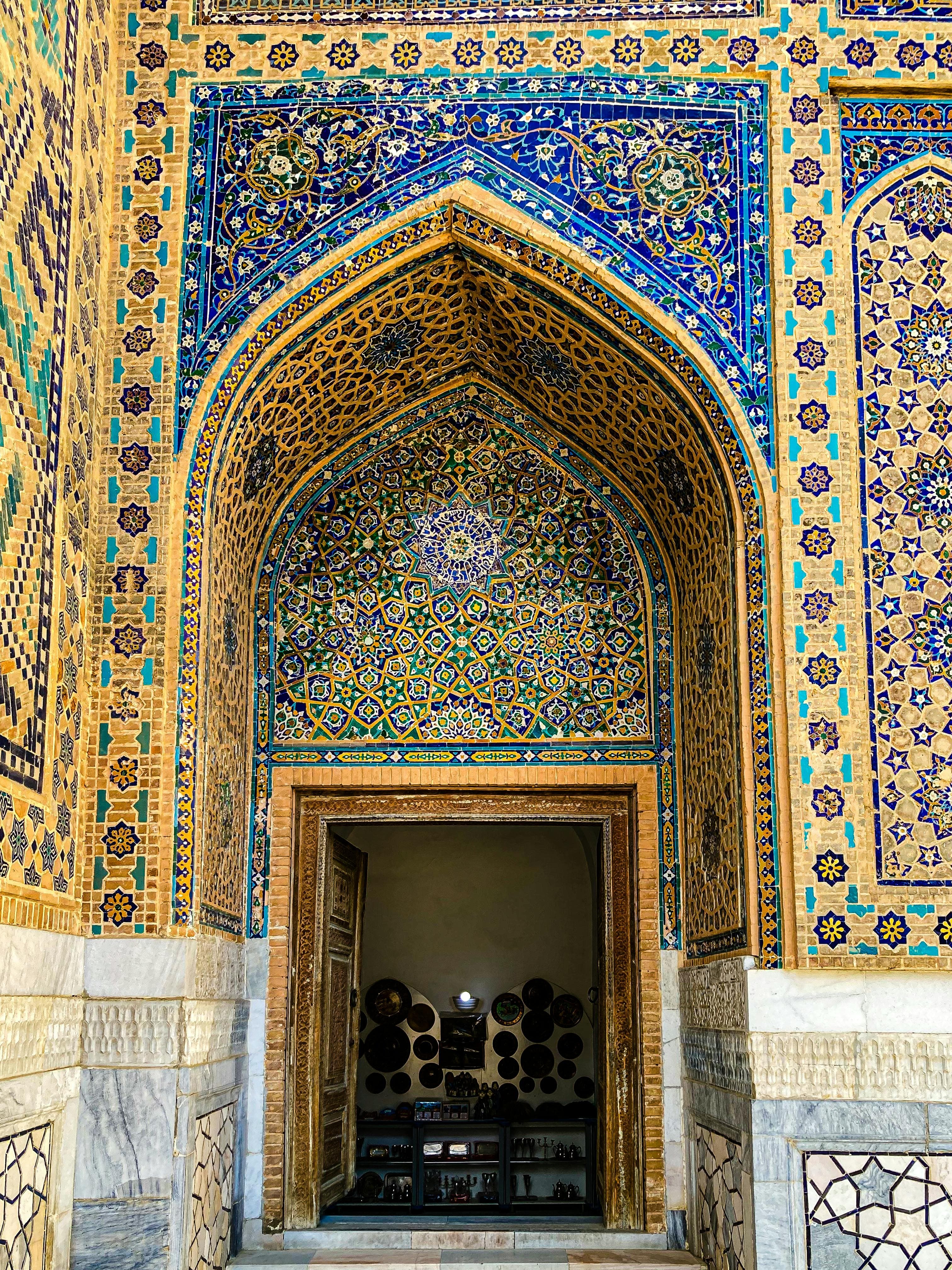
- Subtle tile accents and baked-brick patterns that shift with the light.
- Quiet corners where the acoustics turn footsteps into whispers.
Visiting tips
- Best light: early morning and late afternoon for warm, sculptural shadows.
- Dress modestly; this is a living heritage space respected by locals.
- Bring small cash for donations or site access where applicable.
- Pair your visit with nearby Lyabi-Hauz and the broader old-town lanes.
A moment to keep
Find a shaded bench, let the heat blur into stillness, and watch the courtyard breathe—history here does not shout; it listens, and invites you to do the same.