October 8, 2025 · 1 min read
Historic Center of Bukhara: Silk Road Soul
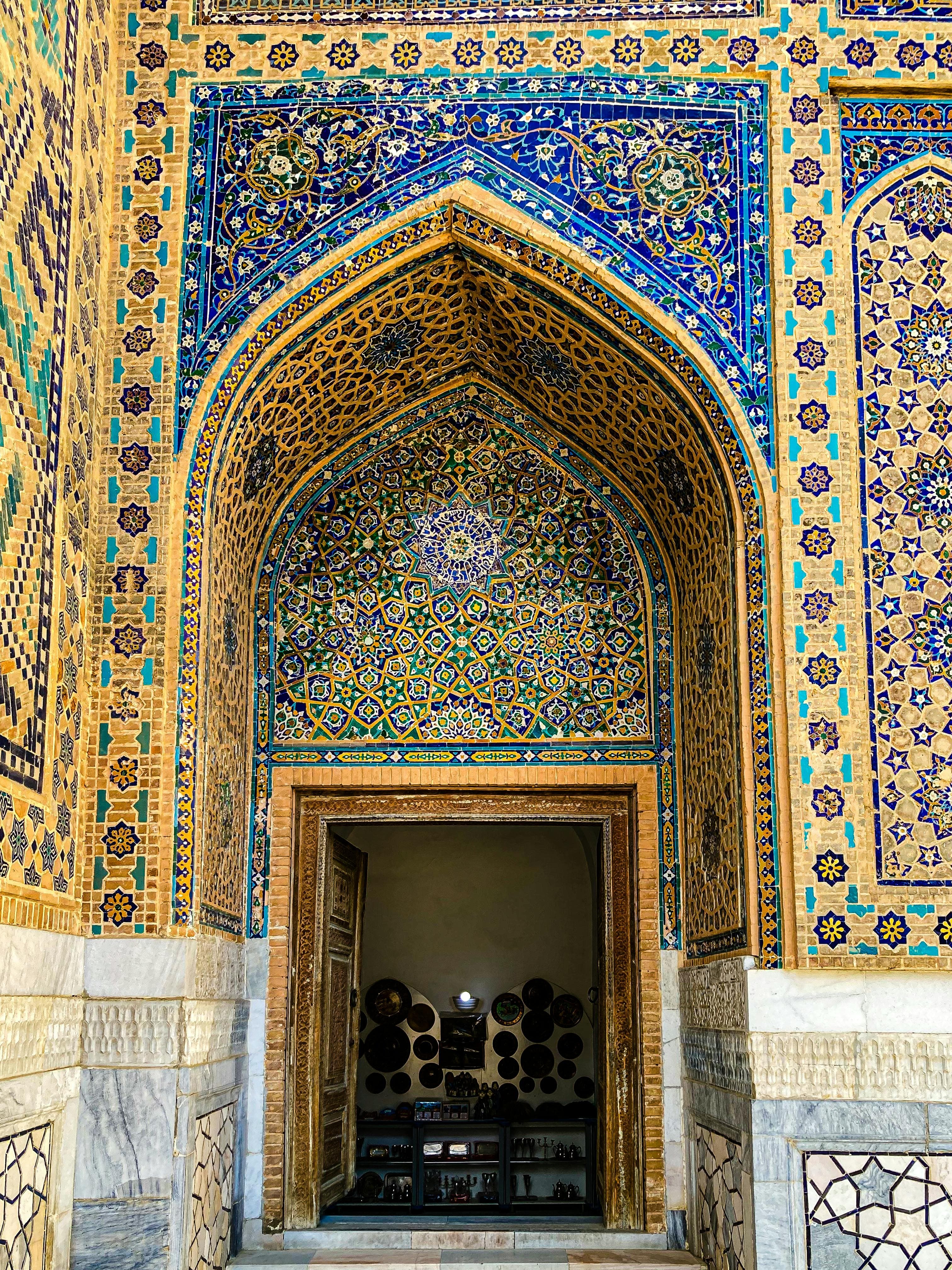
Step into Bukhara’s historic center and the Silk Road stirs back to life: sun-warmed brick, turquoise domes, and the soft clink of copper echoing through vaulted bazaars. This UNESCO-listed heart of Central Asia feels both intimate and monumental, a lived-in museum where artisans still trade, pilgrims still pray, and tea steams in shady courtyards.
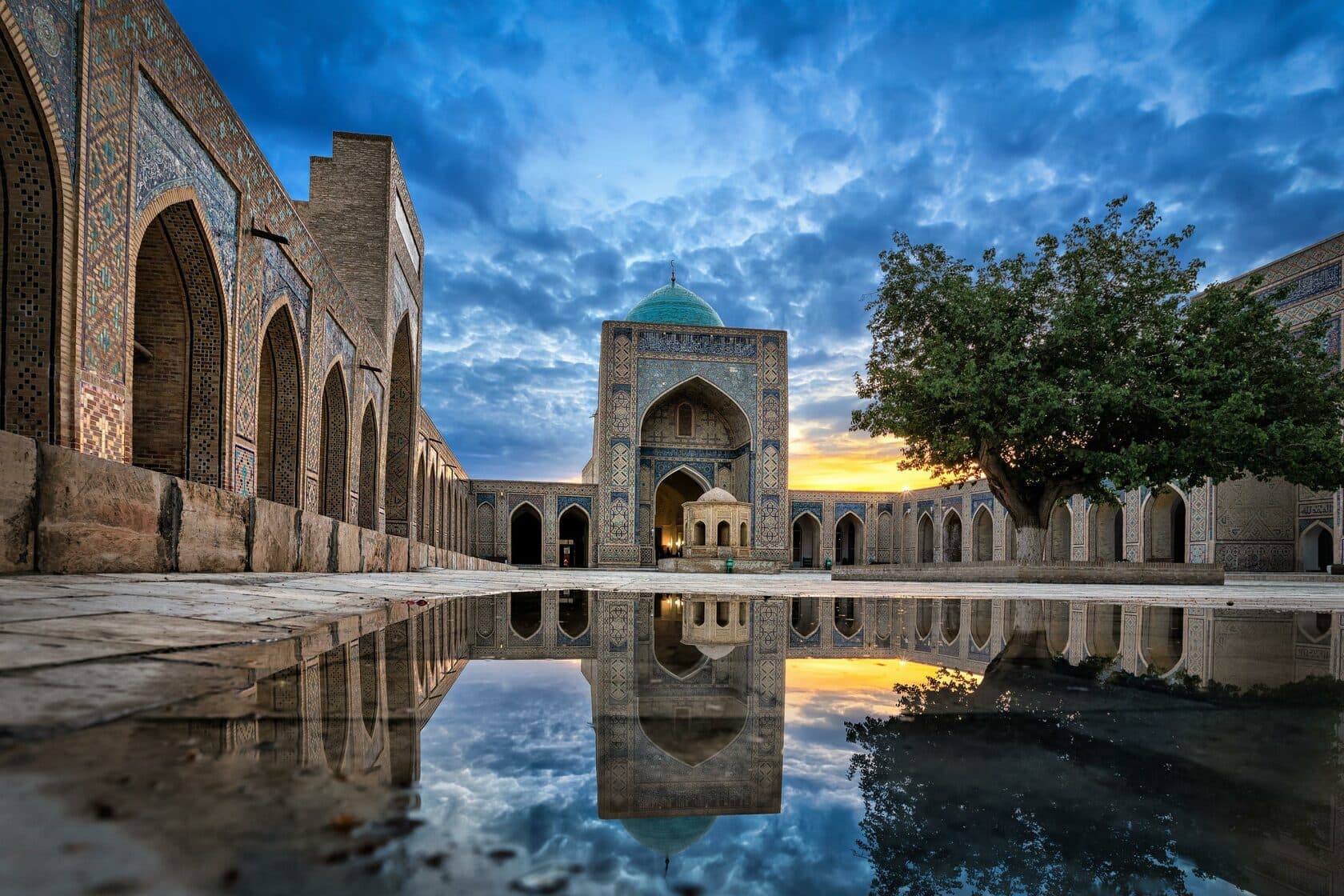
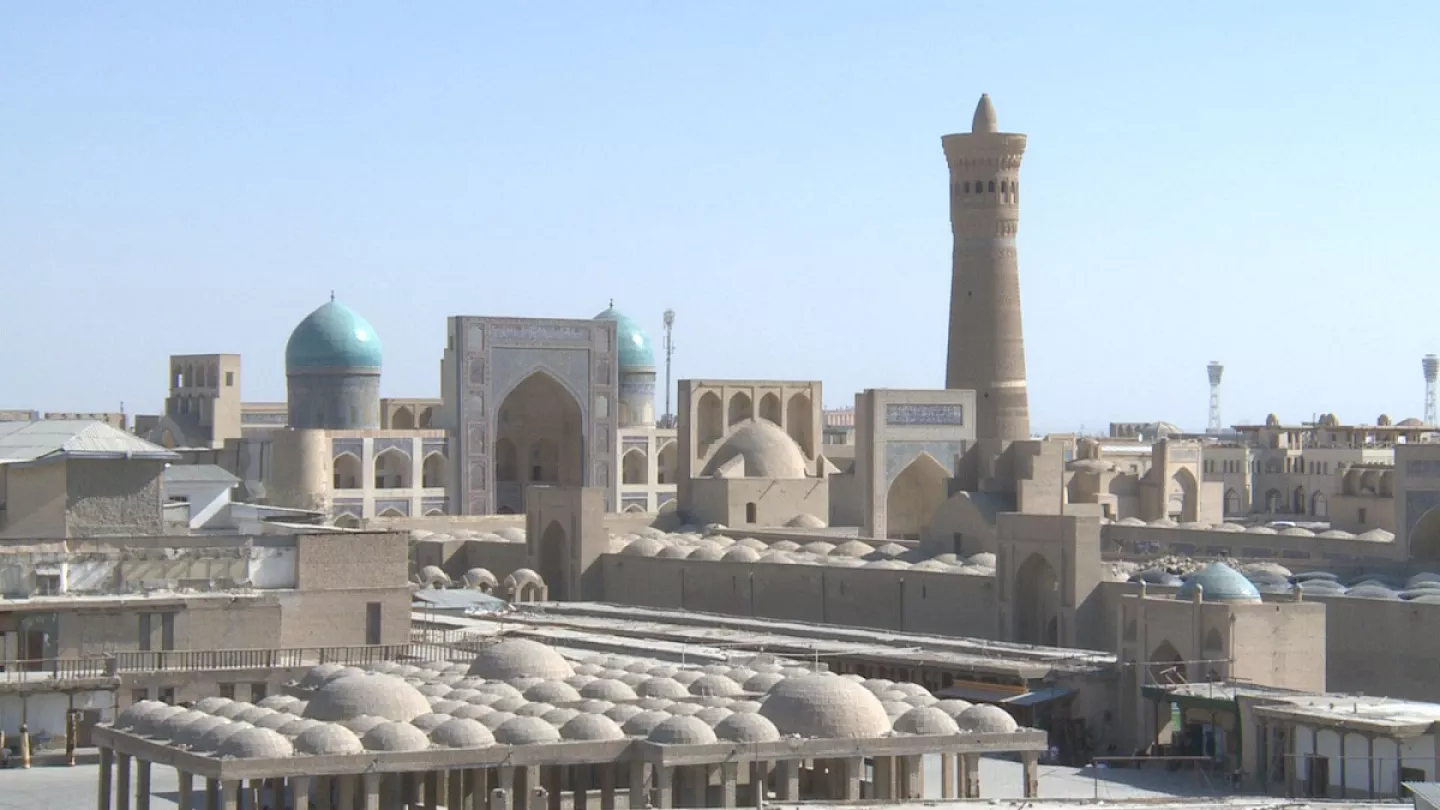
The skyline belongs to the mighty Kalyan Minaret—“Tower of Death” in legend, lighthouse of faith in reality—rising over the Po-i-Kalyan complex. Nearby, the Ark Citadel broods with centuries of intrigue, while Lyab-i Hauz frames a mirror of water between madrassas and mulberry trees. Wander the trading domes, where silk glows like captive sunlight and spices breathe out caravan memories.
Don’t miss:
- Kalyan Minaret and Po-i-Kalyan Ensemble
- The Ark Citadel and Zindan prison
- Lyab-i Hauz square and Nadir Divan-Begi Madrasa
- Toqi trading domes and Tim Abdulla Khan
- Chor Minor’s whimsical four towers
Come at sunset: brick turns honey-gold, muezzins braid the air with song, and shadows lengthen into story. Then settle in a chaihana with plov and green tea—the true taste of a city that learned to welcome the world, and never forgot how.
Plan a journey along these storied lanes