October 10, 2025 · 1 min read
Kosh-Madrasa of Bukhara: Twin Scholarly Giants
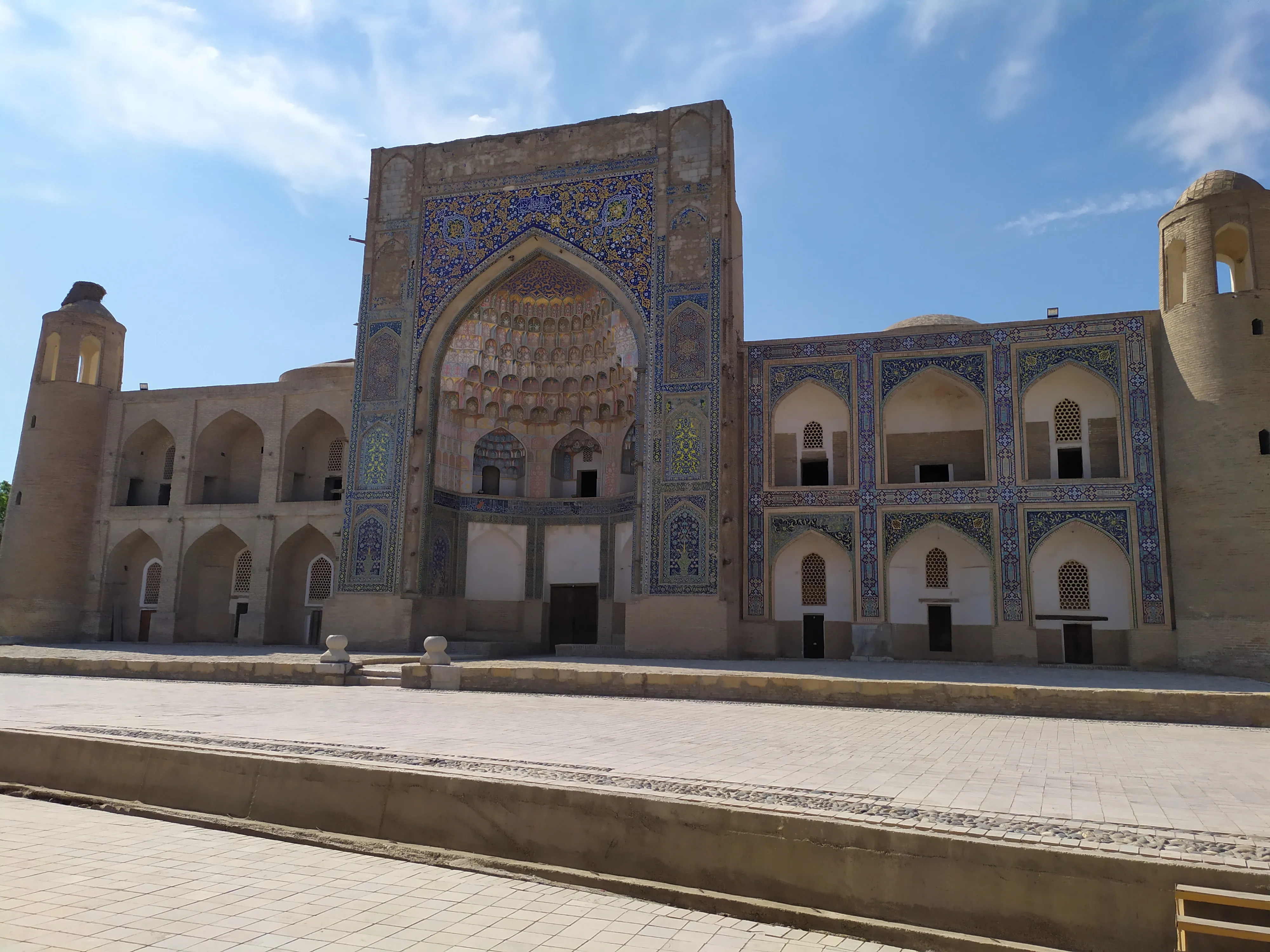
Facing each other like a dialogue in brick and azure, the Kosh-Madrasa in Bukhara unites two eras: Ulugh Beg’s sober 15th‑century school and Abdulaziz Khan’s exuberant 17th‑century masterpiece. Their facades mirror across the street, creating a ceremonial corridor where geometry, poetry, and power quietly converge.
Look closer:
- Ulugh Beg’s madrasa whispers of astronomy and reason, with restrained ornament and precise Kufic bands.
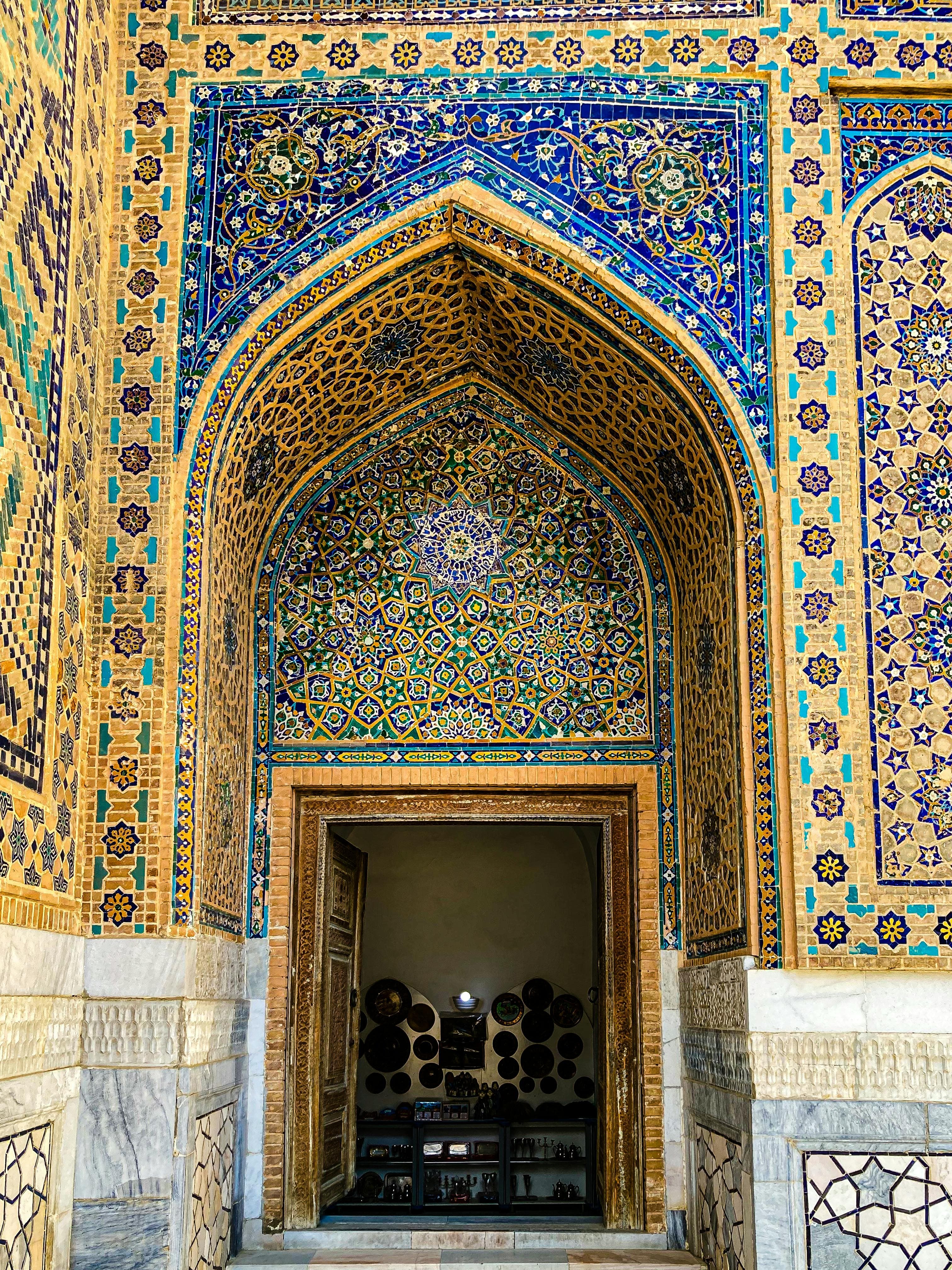
- Abdulaziz Khan’s dazzles with muqarnas, gilded paint, and tilework that blooms like a Silk Road garden.
At dawn, the glazed tiles glow; at dusk, swallows stitch shadows between portals. Sit on the stone bench, and time rearranges itself: Timurid scholars murmur star charts, while later artisans answer in color. Kosh—meaning “paired”—isn’t just an arrangement; it’s a conversation across centuries, inviting you to stand between voices and listen.