October 9, 2025 · 1 min read
Magoki Attori Mosque: Bukhara’s Subterranean Time Capsule
A buried chronicle of Bukhara
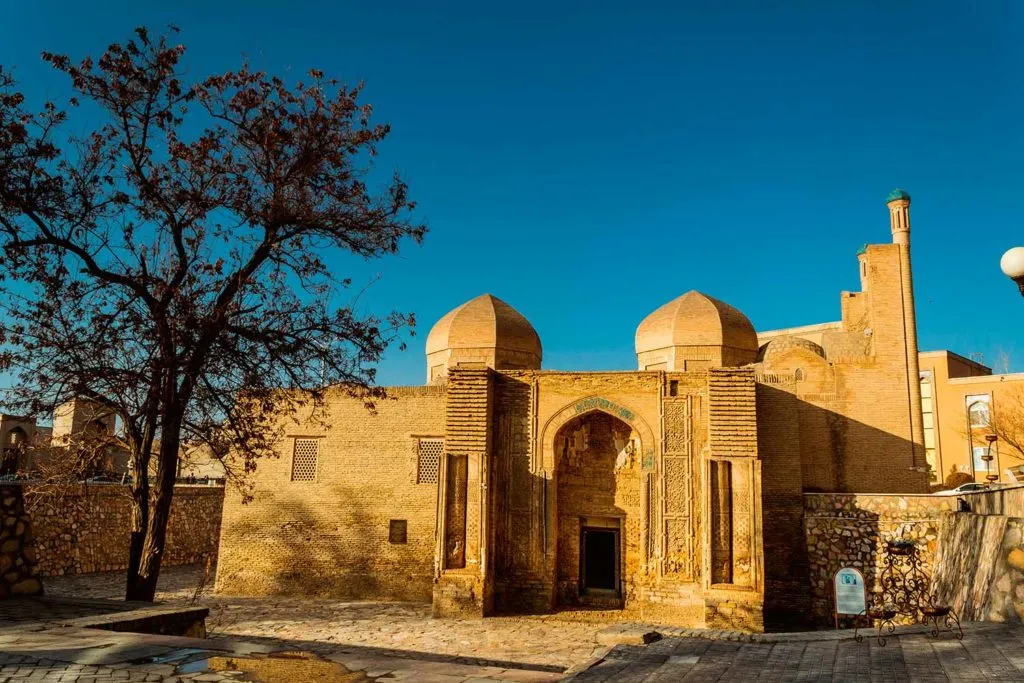
Descend a few worn steps and the city of Bukhara seems to exhale around you: stone coolness, dust scented with centuries, and the dim glow of brick. This is the Magoki Attori Mosque — “the deep mosque” — a rare survivor that sits below today’s street line like a time capsule cracked open.
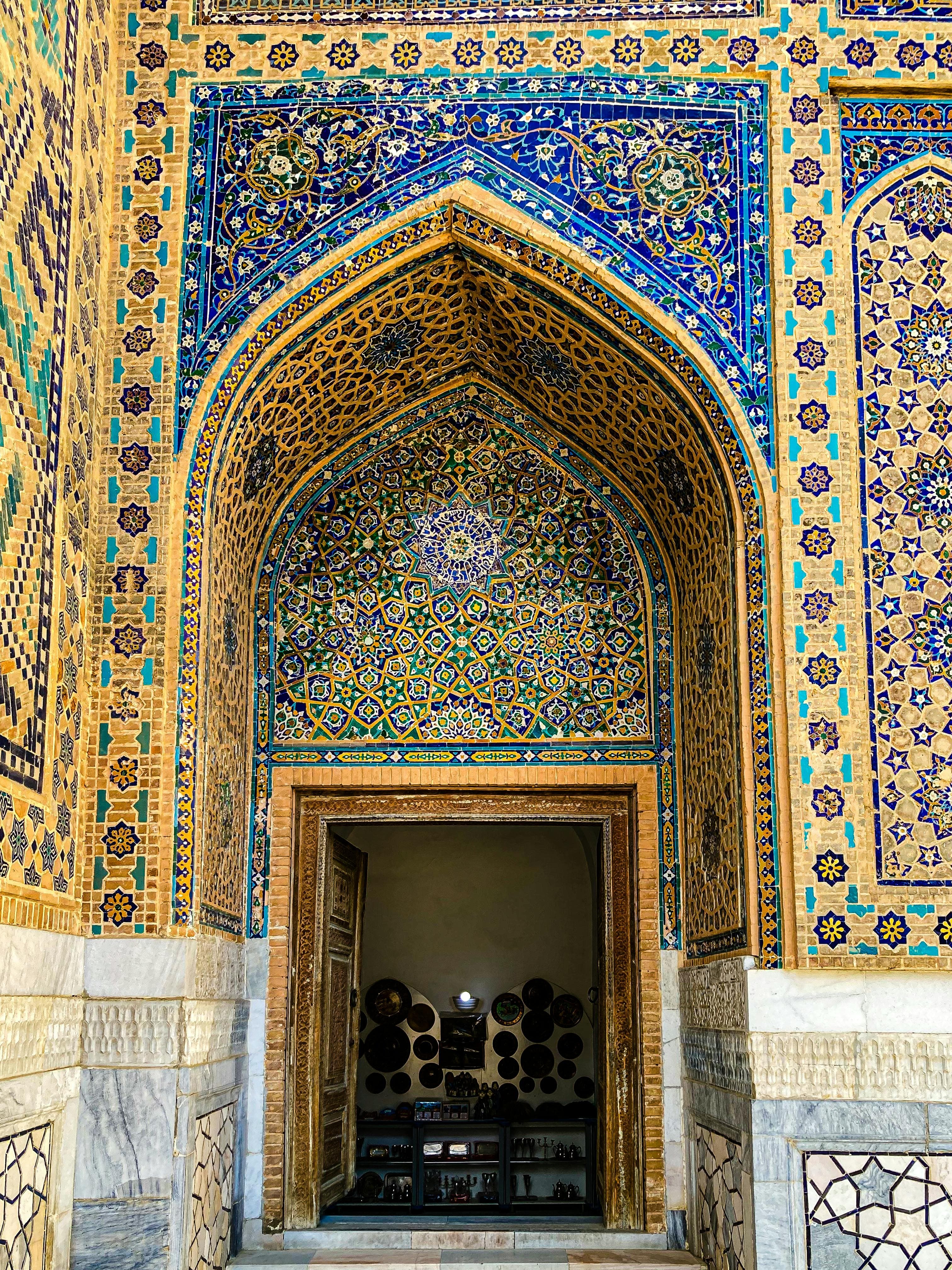
Raised in the 12th century atop even older foundations (archaeologists whisper of a Zoroastrian sanctuary here), Magoki Attori gathers layers of belief into a single footprint. Its name remembers the old spice-and-perfume bazaar that once breathed against its walls; its facade, with hypnotic brick lattices and shards of terracotta ornament, reads like a Silk Road manuscript in relief.
Why it captivates
- A palimpsest of religions and markets, etched in brick and shadow.
- Entrances sunken below ground, mapping how the city slowly rose around it.
- Legend says it survived the Mongol storm by being half-buried in sand.
- Today, its hushed hall sometimes hosts Bukhara’s carpet displays, adding texture to the tale.
Come at golden hour: the patterns catch fire, swallows stitch the dusk, and every step downward feels like a page turned backward. Few places compress so much Central Asian memory into so small, so quietly astonishing a space — a reminder that history here doesn’t just stand; it sinks, settles, and softly waits to be found.