October 8, 2025 · 1 min read
Museum in Bukhara’s Ark Fortress
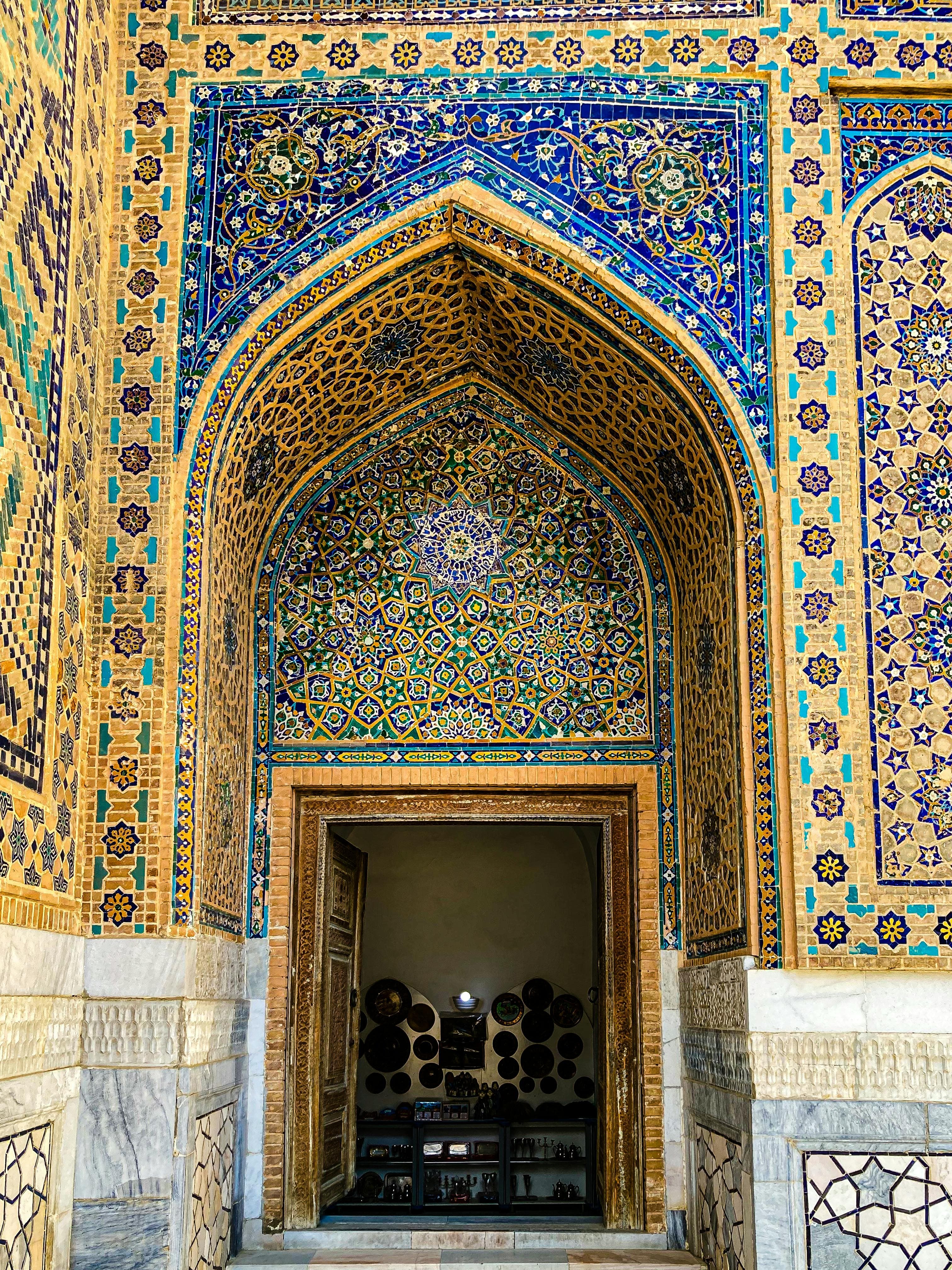
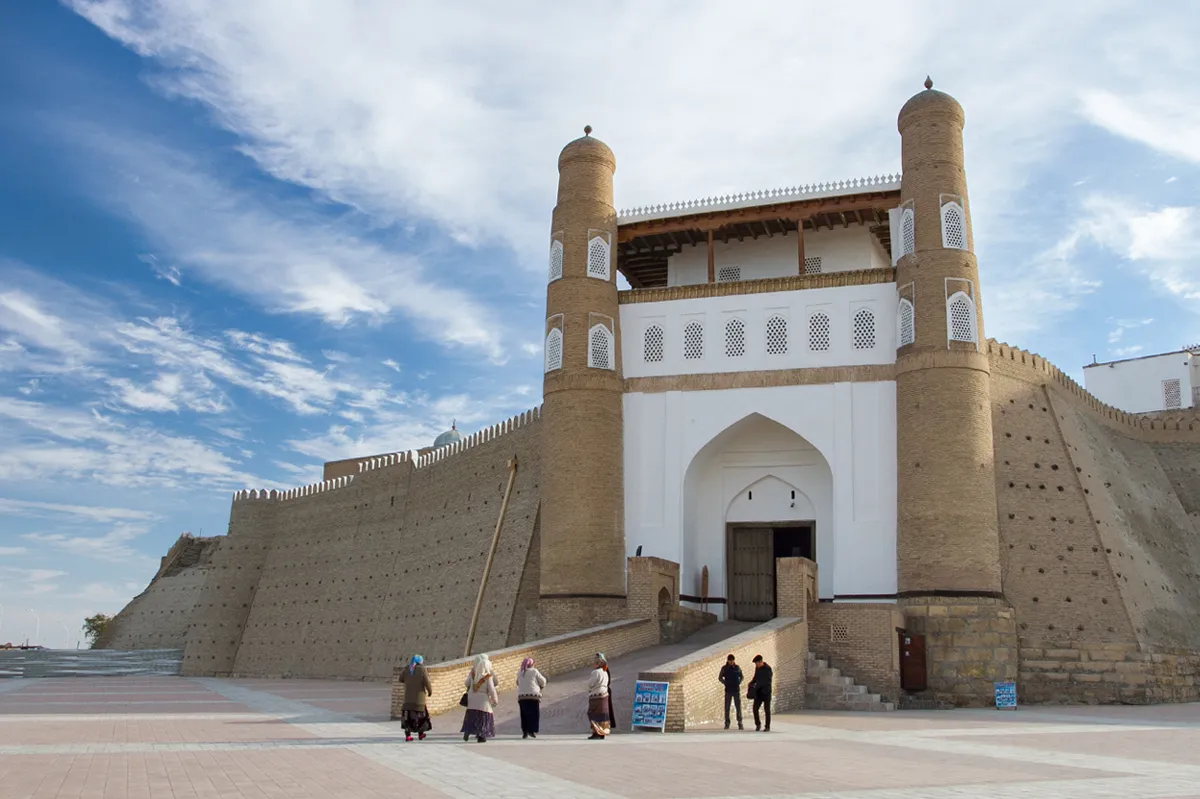
Step through the colossal gates of Bukhara’s Ark and the city’s oldest heartbeat thunders beneath your feet. Sun-warmed mudbrick exhales the desert’s breath; swallows arc above the ramparts; somewhere a copper plate rings, as if the emirs never left. The museum unfurls like a time-scroll: coins that clink with Silk Road deals, glazed ceramics the color of morning sky, embossed saddles that once tasted caravan dust. In the cool hush of the Kurinish Khona—the throne room—you can almost hear verdicts whispered behind carved cedar screens. Tilt your face to the latticed light of the Juma Mosque and watch dust turn to gold. Outside, wind sculpts the bastions; inside, stories tighten into artifacts—letters, fabrics, blades, and maps—each a compass point to a world that refused to stay still.
A brief history
The Ark Fortress is Bukhara’s ancient citadel, a royal stronghold with roots reaching back over a millennium. For centuries it housed the emirs, their courts, treasuries, and state rooms. Much of what you see dates to the 16th–19th centuries, while 1920 bombardments scarred but did not silence it. Today, its halls form a museum complex that threads politics, religion, craftsmanship, and everyday life into a single walkable narrative.
Highlights not to miss
- Kurinish Khona (Throne Room): Stucco, painted ceilings, and the seat of power where ceremonies unfolded.
- Juma (Friday) Mosque: A serene courtyard hall with elegant pillars and filtered light.
- Treasury & Numismatics: Coins, seals, regalia, and trade tokens mapping Bukhara’s mercantile reach.
- Textiles & Crafts: Suzani embroideries, jewelry, carved wood, and weaponry—handwork with history.
- Ramparts & Gate: Climb for views over domes and bazaars; trace the fortress silhouette against the sky.
Planning tips
- Best light: early morning or late afternoon for cooler air and dramatic shadows.
- Allow 1.5–2 hours to see the main halls without rushing.
- Modest dress and comfy shoes recommended; stone floors can be uneven.
- A local guide adds context to rooms that once guarded state secrets.
- Check current tickets and opening hours; some spaces rotate exhibits.
For inspiration and trip ideas across Uzbekistan’s Silk Road cities, see trusted travel resources like.