October 11, 2025 · 1 min read
Romitan Palaces and Merchant Mansions
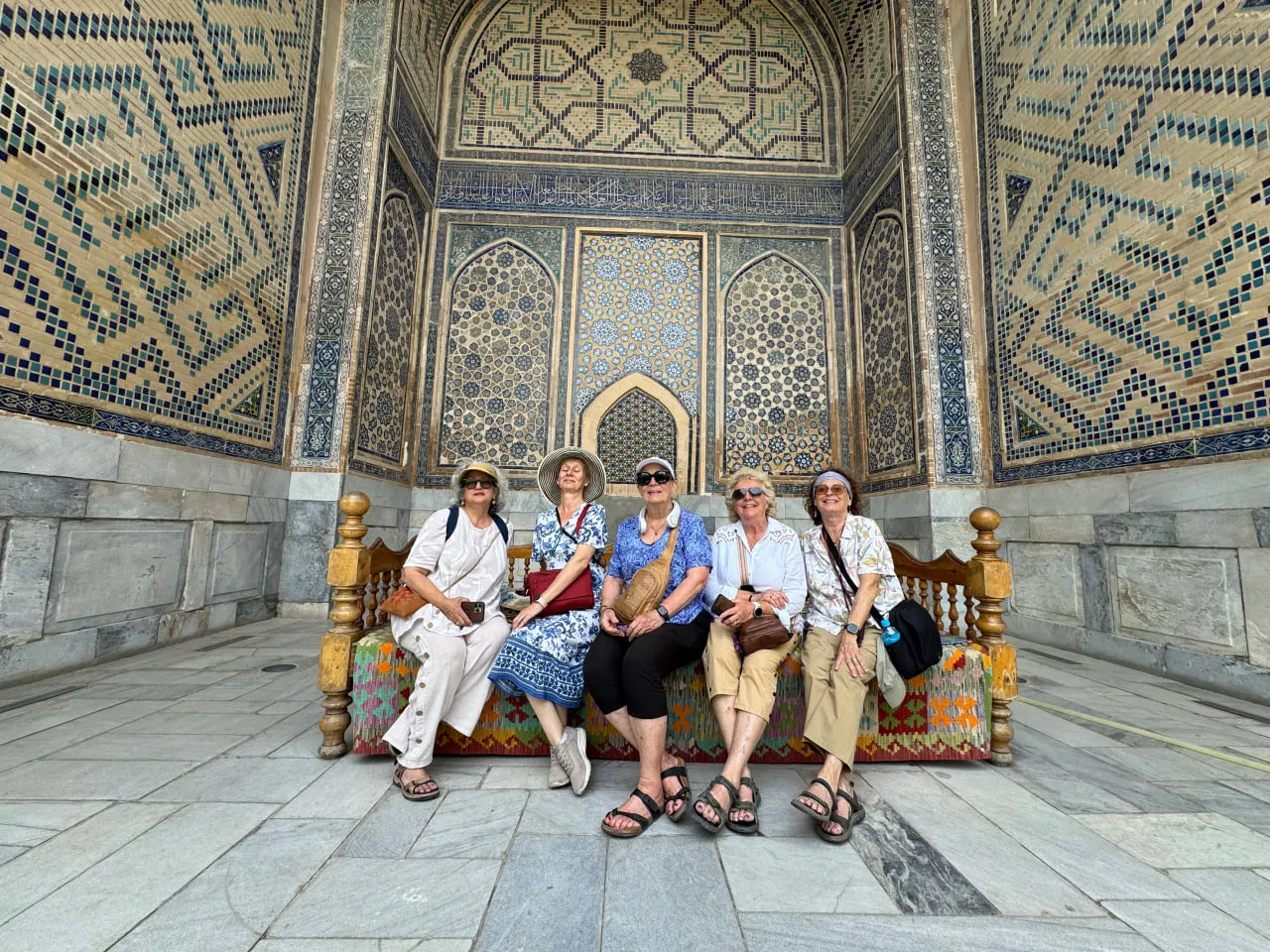
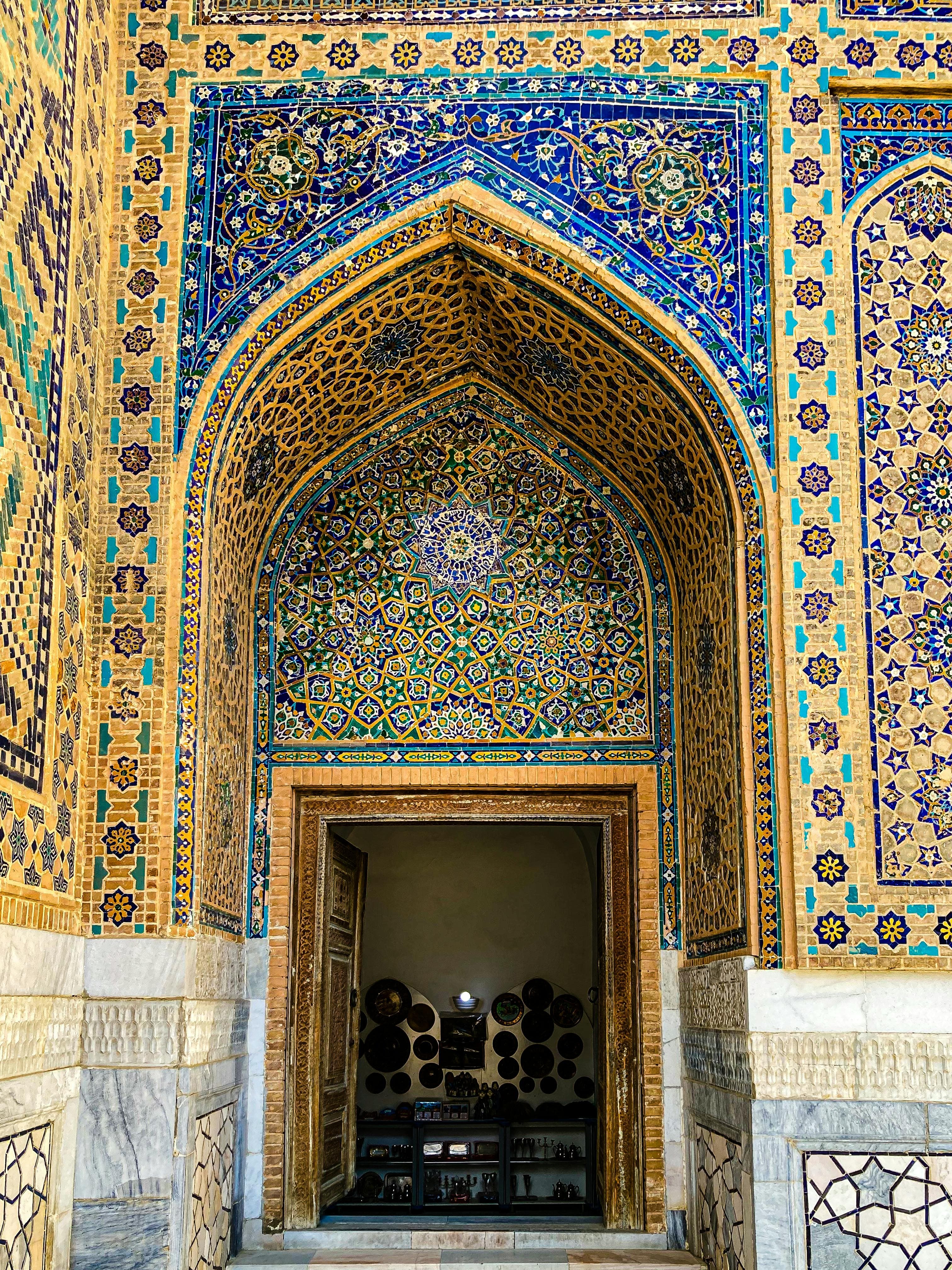
Romitan hides a necklace of palatial and merchant estates in the broader Bukhara oasis. Behind carved portals, you’ll find airy ayvans, cool courtyards scented with mulberry leaves, and reception halls where deals once flowed as freely as tea. Mansions marry sturdy mudbrick with delicate cedar lattice, painted ceilings, and suzani textiles, while the petite palaces of local beks reveal ceremonial iwans and glimmering mirror work. Footsteps of caravans seem to linger, yet the mood remains intimate and lived‑in—authentic rather than museum‑stiff. Come for craft, light, and texture: hand‑chiseled ganch, star‑patterned brickwork, and doors that open with a sigh of history.
What to notice:
- Carved wooden doors and lattice windows casting filigree shadows.
- Blue‑white tile medallions and floral borders around iwans.
- Ganch plaster panels with geometric and vegetal motifs.
A short backstory: Romitan prospered on trade routes feeding Bukhara’s markets. Wealthy merchants expanded homes into semi‑palatial compounds—public outer courts for business, private inner yards for family—reflecting etiquette and climate wisdom. Local rulers patronized artisans, so even modest houses borrow courtly flourishes.
Practical tips:
- Early morning or golden hour shows relief and color best.
- Dress modestly; ask before photographing people.
- Hire a local guide to decode symbols and spatial logic.
Responsible visit: Stick to paths, avoid leaning on plaster or woodwork, and buy crafts directly from makers.
Planning routes, guides, or small‑group experiences? Explore curated ideas at Minzifa Travel.