April 9, 2021 · 1 min read
Things To Do In Bukhara
Bukhara in Uzbekistan fails to disappoint tourists with its distinctive and uncommon offerings that it has. Like its Uzbek cousins, it is also an ancient city with earliest inhabitants dating 2,000 years back. It long has been an important center of economy and trade in Central Asia which can be attributed to the fact that it is situated in the Silk Road route. It is also an exemplary of well-preserved cities of the Medieval Period with rich Islamic influence.
While you're in Bukhara, you're bound to get confused of what to do first and what not because there's just so much to cover to get the best out of the historic center of Bukhara.
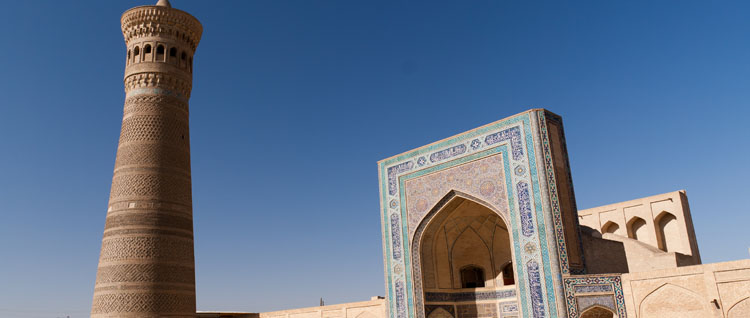
Below Are The Major Sightseeing Spots In Bukhara:
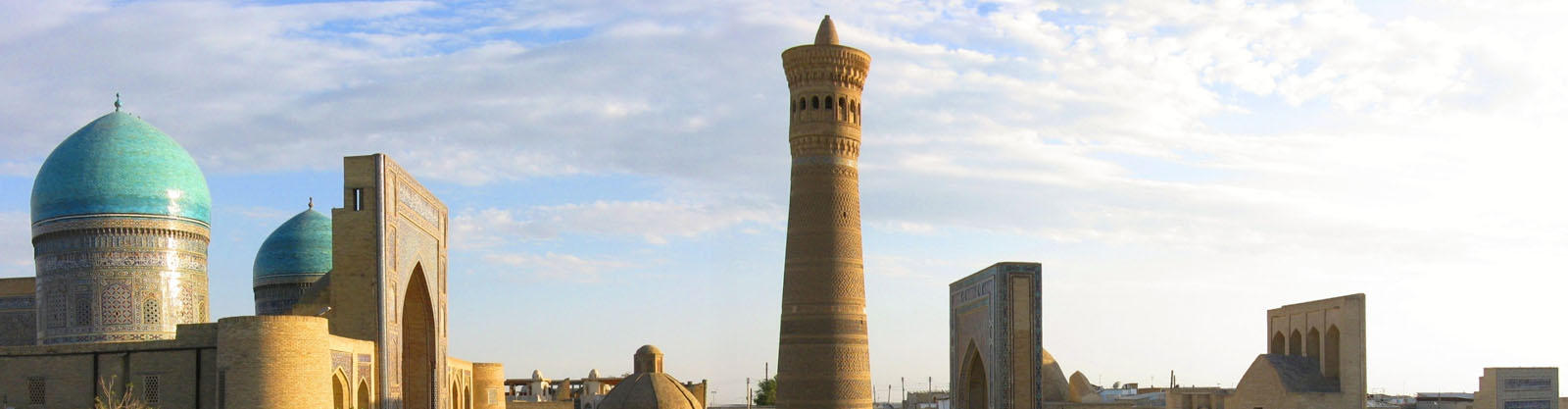
Kalyan Minaret
This minaret stands tall in the Po-i-Kalyan mosque complex and one of the most prominent and oldest landmarks in Bukhara. With a height of 45 meters, the rotunda which serves as the top is quite visible from far away and was even used as a watchtower by guardians to lookout for enemies.
Khoja-Gaukushon
The center of Bukhara accommodates the largest group of buildings collectively known as Khoja-Gaukushon. This cultic ensemble is now a UNESCO World Heritage site and major tourist attraction.
Lyab-iHauz
Another architectural ensemble, it's probably the best rest stop in Bukhara. Built way back in 16th century, it is one of the last remaining hauz (ponds) in Uzbekistan. KukeldashMadrasah, and other religious edifices comprise the ensemble and surround this park.
Nadir Divan-Begi Madrasah
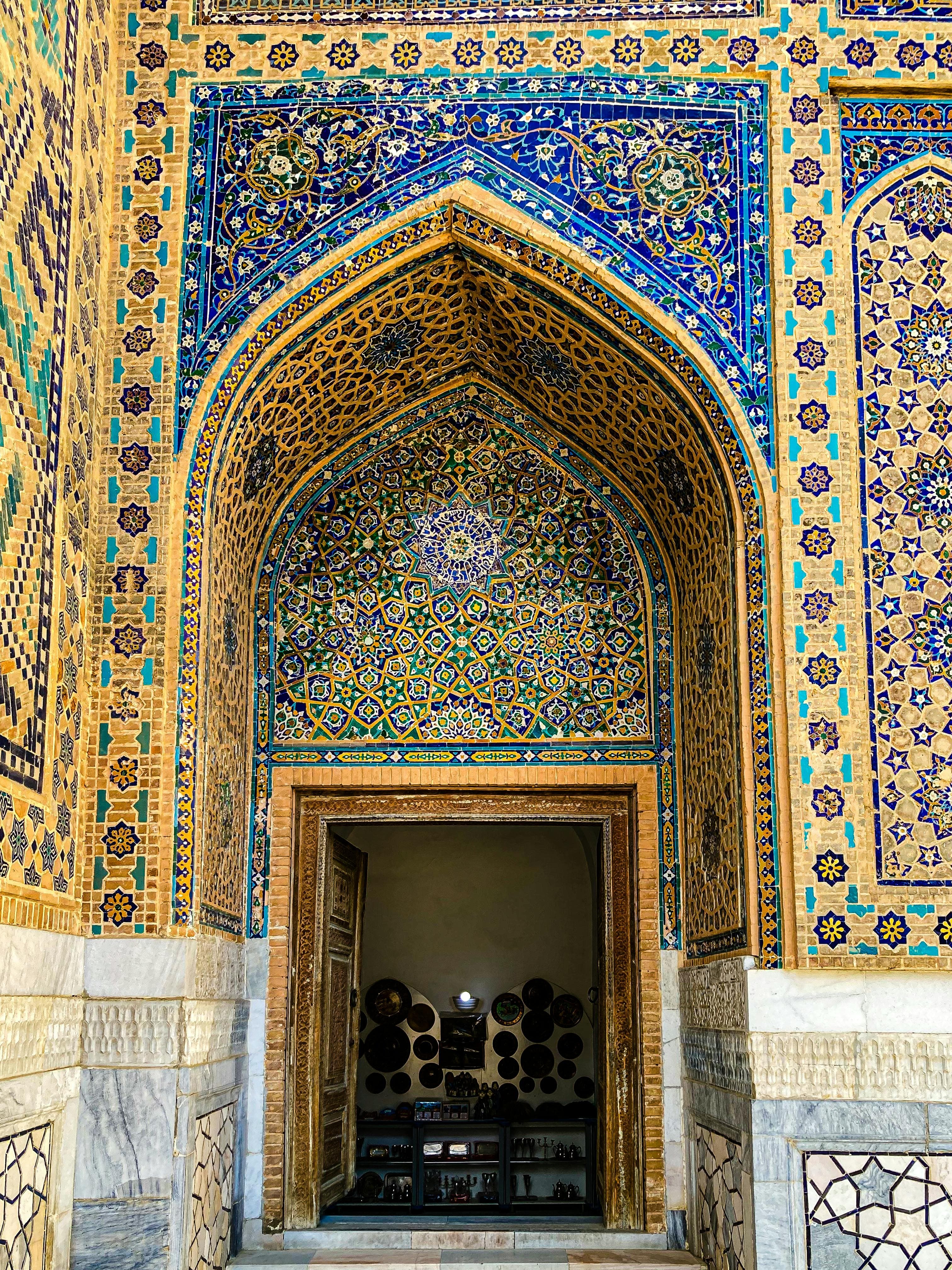
Part of the Lyab-iHauz architectural complex, this medrasah was named so in honor of Vizier Nadir Divan-Begiwho constructed them. The walls present on both side of the arch are covered with ceramic work with symmetrical botanical figures.
Samanids Mausoleum
This is an architectural masterpiece and cemetery of a powerful Amir of Samanid dynasty, Ismail Samani along with some of his family members. It is one of the oldest and sole surviving monuments from the Samanid dynasty era.
Chashma-Ayub Mausoleum
. It is a religious sacred building which consists of a mausoleum, a holy spring, and a museum of water. Built in 12th century and continuously rebuilt till the 19th century, it is based on the legend of Prophet Job who visited this place and created a well by striking the ground.
Abdulaziz-Khan Madrasah
Another important madrasah in Bukhara, it was built in 1652 and deserves a special place among the monuments in this place because of the fantastic artistic decoration.
Mir-i-Arab Madrasah
Together with Kalyan mosque and minaret, this religious educational center forms the complete Po-i-Kalyan mosque complex. To this day future Imams and Islamic mentors receive training in this Madrasah.
Magoki-Attori Mosque
It is one of the most ancient preserved mosques situated at the center of Bukhara city and very close to Lyab-i Hauz.
Trading Domes
The trading domes are a unique offering of Bukhara stretching from Lyab-i Hauz to Mir-i-Arab Madrasa located in Po-i-Kalyan complex. These served as bazaars or markets for trading merchants.
Ark Citadel
The Ark Fortress located in Bukhara used to be the residence of Bukhara Khans.This massive fort was initially built around 5th Century AD primarily for the military purpose and now is a museum and tourist attraction.
Bukhara also doesn't disappoint shoppers as it has numerous market complexes where you can buy almost any daily necessity or souvenirs. The well-known markets in Bukhara are:
Tim-Abdullakhan Bazaar
Located in the trading dome of Bukhara, it is the largest dominating structure.
Taqi-Zargaron Market
It is the largest existing market in the Trading dome of Bukhara.
Nughai Caravanserai
This was a resting place for travelers and merchants in the medieval period and now houses a number of souvenir shops selling handicrafts and handmade items.
Artisan Development Center
At Artisan development center you can see artisans at work who make the marvelous handcrafts and souvenirs you see in the market.