March 3, 2021 · 1 min read
Best Time To Visit Kyrgyzstan
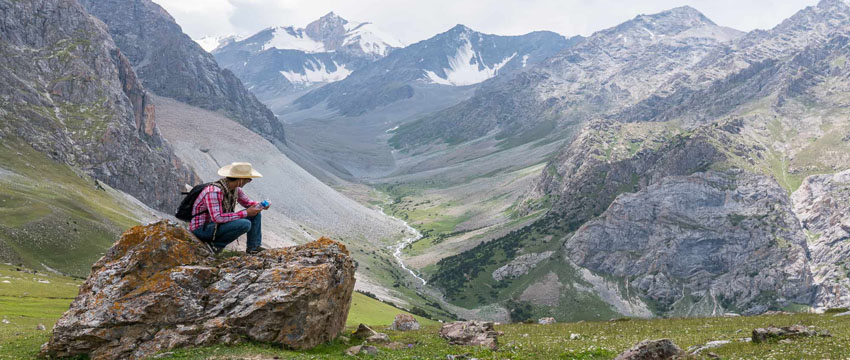
For mountain scenery, high pastures and yurt stays in Kyrgyzstan, investigate July and August first. Some routes work in June or September, depending on snow, roads and operating services. Lower cultural destinations and skiing have different calendars. Bishkek can be hot while a high camp needs warm clothing and substantial bedding.
Match the destination to the experience
| Destination or activity | First timing option | What to confirm |
|---|---|---|
| Bishkek and lower cultural stops | Spring to autumn according to comfort | Daily weather and the outdoor schedule |
| Issyk Kul road journey | Late spring to early autumn | Accommodation and excursions on your chosen shore |
| Issyk Kul swimming holiday | Summer | Local conditions facilities and water expectations |
| Song Kol summer pasture stay | Main summer period | Approach road named camp and overnight comfort |
| Higher trekking routes near Karakol or elsewhere | July to August with route specific extensions | Pass conditions guide and contingency route |
| Winter sports | Winter when the chosen base operates | Snow terrain lessons equipment and transport |
This table is a planning framework. It does not establish an opening date or guarantee that every activity is available throughout a season.
Issyk Kul is more than one kind of holiday
A drive around Issyk Kul can include settlements, short walks, food and cultural visits without depending on beach weather. A swimming holiday has a narrower purpose and should be planned with the chosen accommodation and shore in mind. Do not assume that every part of the lake offers the same facilities.
Karakol can serve as a base for a different programme from a lakeside resort. Decide how many days should be devoted to town visits, nearby valleys and more demanding mountain activity.
Song Kol and the summer pastures
Song Kol sits at about 3,016 metres and is associated with summer pasture life. A stay there can include time with the camp hosts, short walks or a separately arranged horse riding activity. Confirm what is actually included rather than treating the word yurt as a complete description of the experience.
Ask about shared or private sleeping space, bedding, heating, toilets and the length of the drive. Early and late season stays need particular attention to access and comfort. Specialist off season visits should be assessed separately from an ordinary summer tour.
Trekking requires the exact route
A day walk in a valley, a trek over a high pass and a mountaineering trip have different requirements. Ask for the highest point, daily distance, ascent, overnight locations and the alternative if a route becomes unsuitable. Choose dates with the organiser who knows that particular itinerary.
Official travel advice notes that mountain weather can change quickly and that snow is possible at high elevations even in summer. A favourable month therefore reduces one planning difficulty; it does not remove the need for local judgement, appropriate equipment and suitable insurance.
Spring and autumn without the wrong expectations
Spring can suit cities, cultural stops and accessible lower valleys. It is less straightforward when the main purpose is a high lake or summer camp. Snowmelt and unstable conditions can affect approach roads, so keep the itinerary adaptable.
September can offer a mixed lake and mountain journey if the required services remain available. As autumn progresses, choose more permanent accommodation and treat high extensions as conditional. A valley visit can still be worthwhile when a pass crossing is no longer a sensible option.
Winter for a different programme
A winter trip should focus on confirmed winter activities and comfortable bases. Ask about snow conditions, the terrain suitable for your group, equipment and lessons. Backcountry travel needs specialist arrangements and should not be sold as a casual addition to a city break.
Allow time for road conditions and avoid an unnecessarily tight connection between a mountain stay and an international departure.
Permits and practical preparation
Some remote border areas need separate permits. Confirm whether the places on your itinerary fall within them and allow time for processing. The CBT network advises advance contact for boundary permit arrangements; a standard entry permission does not settle every local access requirement.
Pack according to the highest overnight location as well as the season. Warm layers, rain protection and suitable walking footwear remain relevant to a summer mountain holiday. Discuss riding or trekking experience honestly so the organiser can choose an appropriate activity.
Compare Kyrgyzstan month by month with the Central Asia season guide, then ask Minzifa Travel to plan your dates around the activities you most want.