March 4, 2021 · 1 min read
Best Time To Visit Tajikistan
Choose Tajikistan's travel season by route. Compare spring and autumn for Dushanbe, Khujand and western valleys. For the Fann Mountains or a high Pamir journey, start with summer and check the exact itinerary. Conditions at a mountain pass or high overnight stop can differ sharply from Dushanbe.
Choose the part of Tajikistan first
| Main purpose | Period to investigate | Main planning question |
|---|---|---|
| Dushanbe Khujand and western cultural visits | April to May or September to October | How to schedule exposed visits and road transfers |
| Fann Mountains trekking | July to September according to route | Current pass conditions and the overnight plan |
| Pamir Highway and high eastern landscapes | Summer with route specific dates | Road conditions access permits and time at altitude |
| Lower lake and village excursions | Late spring to early autumn when accessible | Elevation road condition and the day's weather |
These are broad route recommendations. They do not establish that every road, trail or camp is available throughout the stated period. Tajik diplomatic tourism information identifies July to September for the Fann Mountains, while official travel advice highlights rapidly changing mountain weather and disruption to roads.
Spring for western cities and lower valleys
A spring visit can focus on Dushanbe, Khujand and Panjakent, with excursions chosen for current conditions. Give the cultural programme time of its own rather than treating the cities only as places to pass through before the mountains.
Mountain roads need a separate assessment. Rain, snowmelt, landslides and avalanches can affect access, so keep an alternative to any excursion that depends on a vulnerable section of road. Do not assume that a lower destination's pleasant weather makes the whole approach straightforward.
Summer for the Fann Mountains
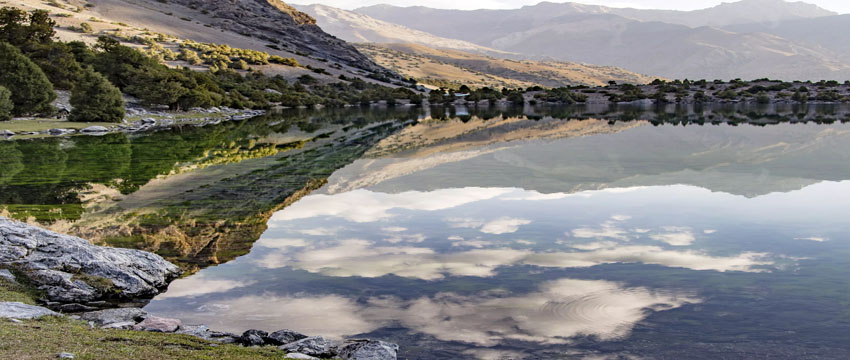
For a trek, ask for the route name, highest pass, nightly elevations and type of accommodation. These details are more useful than a description of Tajikistan as a summer destination. A lake visit reached by vehicle is not the same undertaking as a multi day trek between valleys.
Choose the dates with the organiser of the actual trek. Early or late season conditions may change the route, while snow can still occur at high elevations in summer. Pack for the overnight environment as well as the daytime walk and agree on the alternative if a pass is unsuitable.
Summer for a Pamir road journey
A Pamir itinerary needs enough time for remote travel and higher overnight locations. Ask how the route builds up to the highest stages, where it can pause and what happens if a road section becomes unavailable. A long drive should be judged by road conditions and stops, not simply by the distance on the map.
The Wakhan area, Khorog and the high eastern Pamirs should not be treated as identical environments. Name the places you want to visit and let the route reflect their differences. Avoid a schedule that leaves no margin between the last remote stage and an international flight.
Autumn for a changing balance
Early autumn may still suit selected mountain journeys, but the route must be checked for its precise dates. As the season progresses, it becomes more sensible to put greater emphasis on lower cultural destinations and permanent accommodation.
October should not be sold as a universal extension of summer in the Pamirs. A flexible western itinerary and an ambitious high mountain circuit are different products even if both are described as an autumn Tajikistan tour.
Winter for a deliberately limited route
Winter can be considered for a focused city visit with suitable accommodation and transport. It is not a straightforward substitute for the main mountain travel period. Official advice notes that snow and ice can disrupt road travel, and that some interior roads are seasonal.
Choose the experiences that make the visit worthwhile in their own right, and confirm the services before booking.
Permits and onward connections
Travel to the Gorno Badakhshan Autonomous Region requires a separate permit. Check current issuance and access arrangements; possession of a visa does not settle every permission needed for the proposed journey. Confirm any onward border crossing separately, especially if the route continues to Kyrgyzstan.
For a trek or remote road journey, ask about communication, local support and the insurance cover needed for the actual activities and elevations. Keep these questions tied to the route rather than relying on a generic adventure label.
What to pack and how to decide
Pack layers for the higher overnight stops, protection from sun and rain, and footwear appropriate to the planned walking. For a city focused spring or autumn holiday, use the forecast for each destination to adjust the final packing list.
For a wider journey, consult the Five Stans timing guide. Ask Minzifa Travel for a Tajikistan route that explains its seasonal choices and leaves enough time for the mountain stages.