March 2, 2021 · 2 min read
Kazakhstan People
Kazakhstan People: Culture, Traditions, Lifestyle and Hospitality
Who Are the People of Kazakhstan?
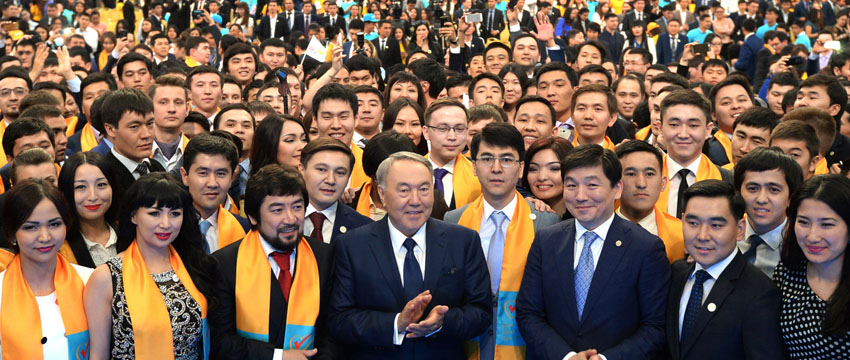
The people of Kazakhstan are known for their warm hospitality, diverse cultural heritage, and strong connection to the country's nomadic traditions. Kazakhstan is the largest country in Central Asia and one of the world's most ethnically diverse states. Its population includes ethnic Kazakhs as well as Russians, Uzbeks, Ukrainians, Tatars, Germans, Koreans, and many other communities.
Kazakh people form the majority of the population and have played a central role in shaping the country's national identity, language, traditions, and culture. For travelers exploring Kazakhstan, meeting local people and experiencing everyday life can be one of the most memorable parts of a Central Asia tour.
Kazakh People and Their Nomadic Heritage
The history of the Kazakh people is closely connected with the nomadic lifestyle of the Eurasian steppe. For centuries, Kazakh communities moved across vast grasslands with their livestock, adapting to the changing seasons and the harsh climate.
This nomadic heritage continues to influence modern Kazakhstan culture. Traditional values such as respect for elders, family unity, generosity, and hospitality remain important in Kazakh society.
The traditional yurt, a portable round dwelling, is one of the best-known symbols of Kazakh culture. Although most people in Kazakhstan now live in modern cities and towns, yurts are still used during festivals, cultural events, and special celebrations.
Population and Ethnic Diversity in Kazakhstan
Kazakhstan is home to a multicultural population. While ethnic Kazakhs make up the largest ethnic group, numerous other communities have contributed to the country's history and modern identity.
Large cities such as Almaty, Astana, and Shymkent are especially multicultural. Visitors can experience a mixture of Kazakh traditions, Russian-speaking urban culture, Central Asian customs, and influences from many other ethnic communities.
This cultural diversity is one reason Kazakhstan is such an interesting destination for travelers interested in Central Asia.
Language in Kazakhstan
Kazakh is the state language of Kazakhstan, while Russian is also widely spoken and used in everyday communication, business, and urban life.
Travelers visiting major cities will often find people who speak both Kazakh and Russian. English is more common among younger people and those working in tourism, hotels, restaurants, and international companies.
Learning a few simple Kazakh words can be a pleasant way to connect with local people and show respect for the country's culture.
Kazakh Hospitality
Hospitality is one of the most important traditions of Kazakh people. Guests have traditionally been treated with generosity and respect, and this tradition remains an important part of life today.
Visitors may be invited to share tea, traditional food, or a meal with a family. In traditional Kazakh culture, offering food and drink to guests is an important expression of friendship and respect.
For travelers, this hospitality can be experienced not only in rural areas but also in cities, restaurants, guesthouses, and local communities.
Traditional Kazakh Food
Food is an important part of Kazakhstan culture and social life. Traditional dishes reflect the country's nomadic past and the importance of meat and dairy products.
Some popular Kazakh dishes include:
- Beshbarmak – one of the country's most famous traditional dishes, usually prepared with boiled meat and noodles.
- Baursak – small pieces of fried dough commonly served with tea or during celebrations.
- Kazy – a traditional sausage made from horse meat.
- Kurt – a dried fermented dairy snack.
- Shorpo - a nourishing meat broth traditionally served hot.
Tea is also an important part of everyday life. Sharing tea with guests is a common social tradition and an important element of Kazakh hospitality.
Family and Social Traditions
Family plays a central role in Kazakh society. Respect for parents and older generations is highly valued, and large family gatherings remain an important part of social life.
Traditional celebrations may include weddings, family events, religious holidays, and national festivals. Some customs have their roots in the ancient nomadic traditions of the Kazakh steppe.
One important example is Nauryz, the spring festival celebrated across Kazakhstan and other parts of Central Asia. It symbolizes renewal, the beginning of spring, and the importance of community and family.
Traditional Kazakh Clothing and Music
Traditional Kazakh clothing is often associated with colorful fabrics, embroidery, distinctive hats, and decorative elements. Traditional dress is particularly visible during cultural festivals and national celebrations.
Music is another important part of Kazakh heritage. The dombra, a traditional two-stringed instrument, is one of the strongest cultural symbols of Kazakhstan. Traditional performers use the dombra to tell stories and preserve elements of Kazakh history and folklore.
The tradition of küy, instrumental music performed on the dombra, is particularly important in Kazakh cultural heritage.
Modern Life in Kazakhstan
Modern Kazakhstan combines traditional cultural values with contemporary urban life. Cities such as Almaty and Astana have modern architecture, international restaurants, shopping centers, universities, museums, and a growing creative scene.
At the same time, traditional customs remain visible in everyday life, particularly during family celebrations, national holidays, and visits to rural areas.
This combination of ancient nomadic heritage and modern Central Asian culture makes Kazakhstan different from many other destinations in the region.
What Are Kazakh People Like?
Travelers often describe Kazakh people as welcoming, respectful, and hospitable. Social interactions can vary depending on whether you are visiting a large city or a rural community, but respect for guests and elders is widely valued.
When traveling in Kazakhstan, visitors should be open to local customs, dress appropriately when visiting religious or cultural sites, and show respect toward hosts and older people.
The best way to understand the people of Kazakhstan is not only through museums and historical sites but also by experiencing local food, markets, festivals, villages, and everyday life.
Where to Experience Kazakh Culture
Travelers can discover different aspects of Kazakhstan's people and culture throughout the country.
Almaty is a great place to experience modern Kazakh life, local cuisine, museums, markets, and cultural events. Astana, the capital, offers a different perspective, combining modern architecture with national cultural traditions.
For a deeper experience, travelers can explore rural areas, visit traditional villages, stay in yurts, meet local families, and discover the landscapes of the Kazakh steppe.
Destinations such as Charyn Canyon, the Kolsai Lakes, Turkistan, and the Almaty region also provide opportunities to combine Kazakhstan's natural landscapes with its cultural heritage.
Travel to Kazakhstan with Minzifa Travel
Discovering Kazakhstan is about more than visiting famous landmarks. It is an opportunity to meet local people, taste traditional food, learn about nomadic traditions, and experience the hospitality that remains an important part of Kazakh culture.
At Minzifa Travel, we create carefully planned journeys across Central Asia, combining cultural experiences, historical sites, local communities, and memorable landscapes.
Whether you are interested in Kazakhstan tours, the culture of the Kazakh people, Central Asian history, or a wider Silk Road journey, Kazakhstan offers an unforgettable introduction to the diverse cultures of the region.