March 4, 2021 · 2 min read
Turkmenistan Tourism
Main Attractions and Travel Guide
Turkmenistan brings together ancient oasis cities, wide desert landscapes and a capital known for its white marble architecture. A journey through the country can take you from the remains of a Parthian stronghold to medieval mausoleums, then out into the Karakum Desert or west towards the colourful cliffs of Yangykala.
For travellers interested in Silk Road history, archaeology and unusual landscapes, Turkmenistan tourism offers plenty to build a journey around. The key is to choose a route that gives each place enough time. Start with Ashgabat and the major historic sites, then add desert experiences or more remote archaeological stops according to your interests. This guide introduces the main attractions and the practical questions to consider before you travel.
Best Places to Visit in Turkmenistan
Ashgabat and Its White Marble Architecture
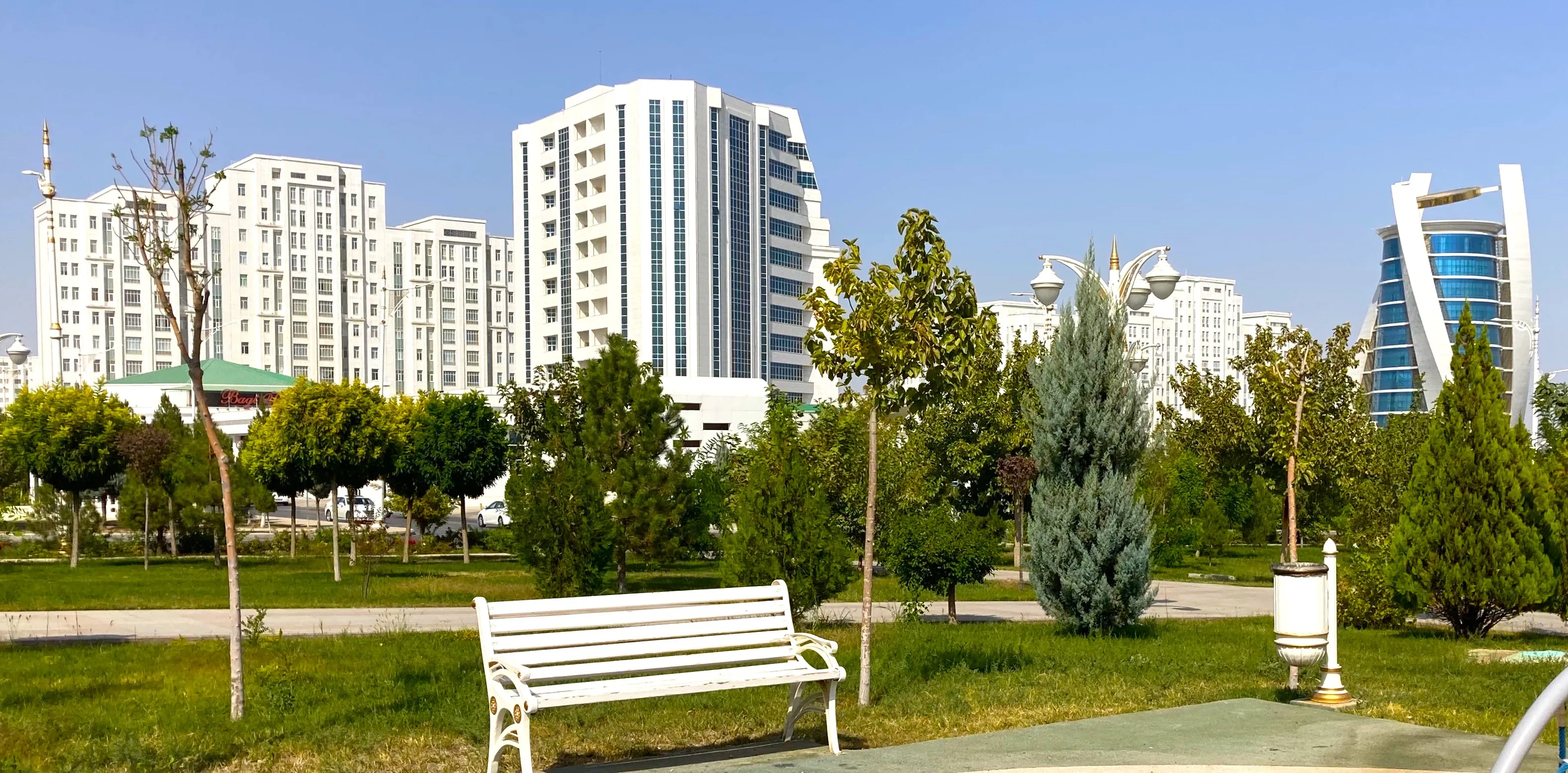
Ashgabat is a natural starting point for many Turkmenistan itineraries. The capital is known for broad avenues, monumental public spaces and an extraordinary concentration of white marble buildings. In 2013, Guinness World Records recognised Ashgabat for the highest density of buildings clad in white marble.
A city tour can introduce landmarks such as Independence Monument, the Neutrality Monument and Ertugrul Gazi Mosque. To understand more of the country behind the architecture, include a museum visit focused on national history or traditional carpets. These collections provide useful context for the archaeological sites and craft traditions you will encounter elsewhere.
Ashgabat also works well as a base for visiting nearby Nisa. Pairing the two gives your trip an introduction to both the modern capital and a much earlier period of Turkmenistan's history.
Darvaza Gas Crater
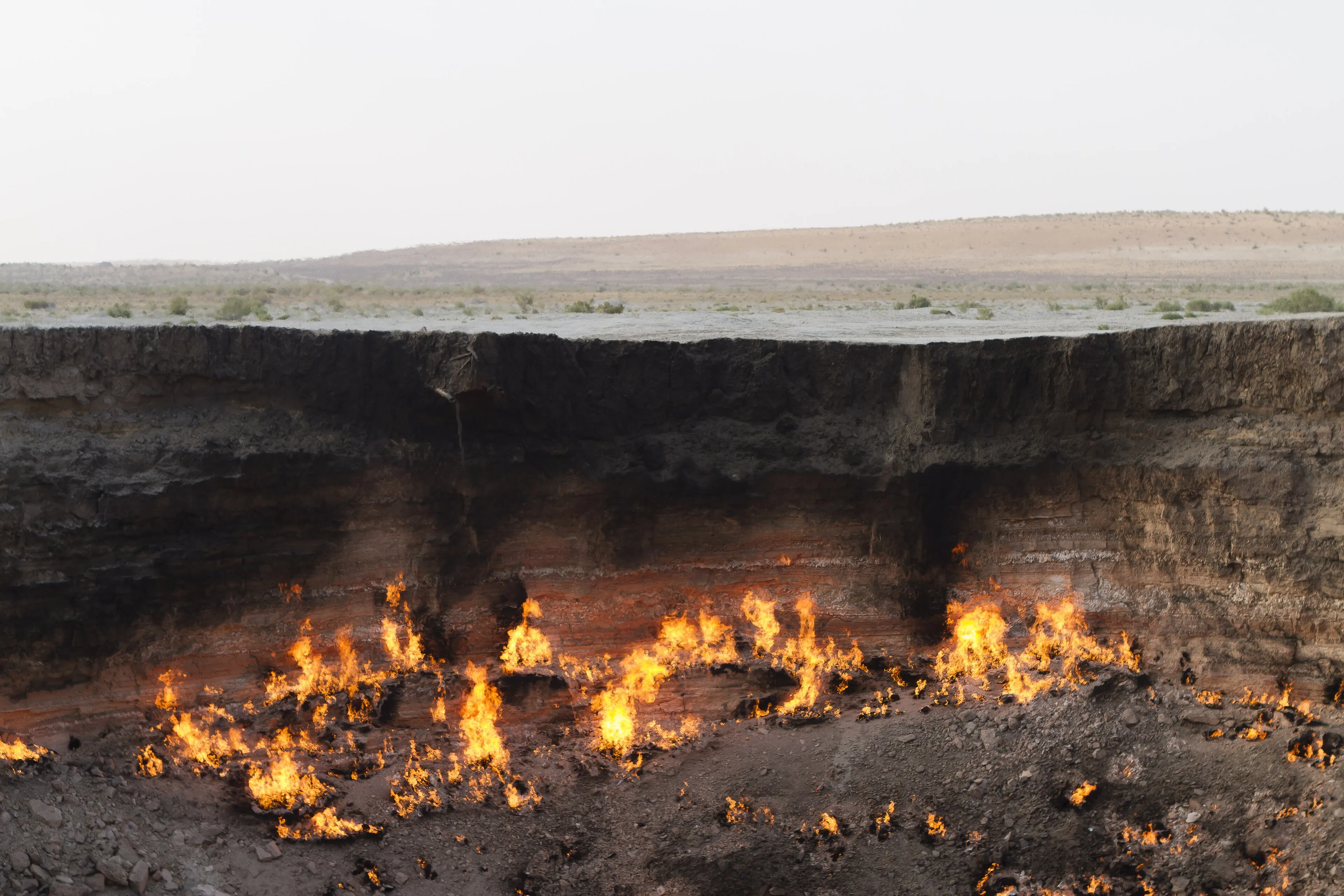
Set in the Karakum Desert, Darvaza Gas Crater is one of Turkmenistan's most recognisable landmarks. Often called the Door to Hell, it became famous for the flames rising from its gas-filled depression and for photographs taken after dark.
The experience also includes the journey into the surrounding desert. Depending on your itinerary, a visit can be combined with an overnight stay in a nearby yurt camp, allowing time to see the landscape as daylight fades.
The crater's appearance is changing. Recent observations show that the intensity of the fire has decreased, so visitors should not expect the same scene shown in older photographs. Confirm current conditions when planning your visit and follow your guide's instructions around the crater.
Ancient Merv and the Silk Road
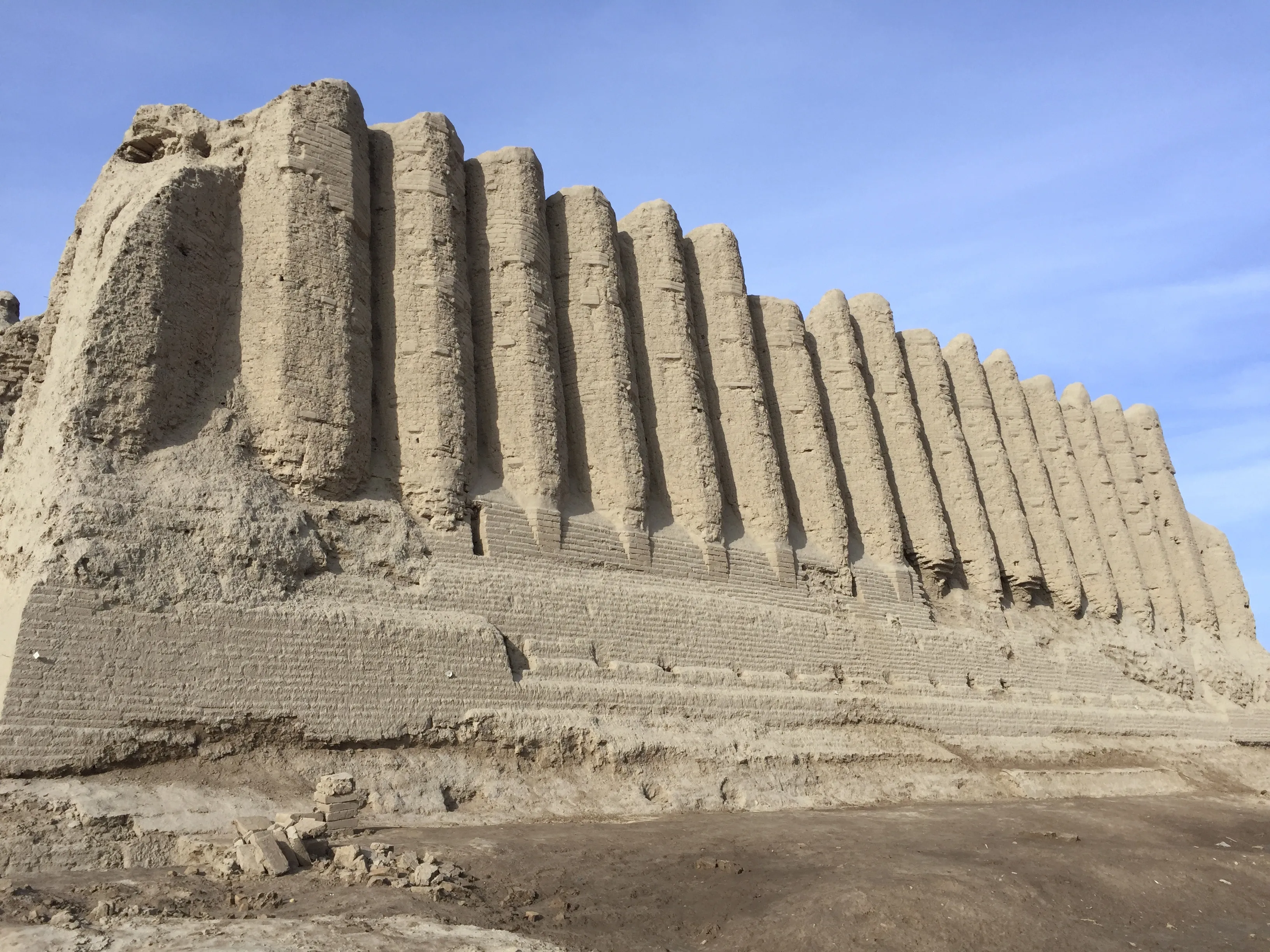
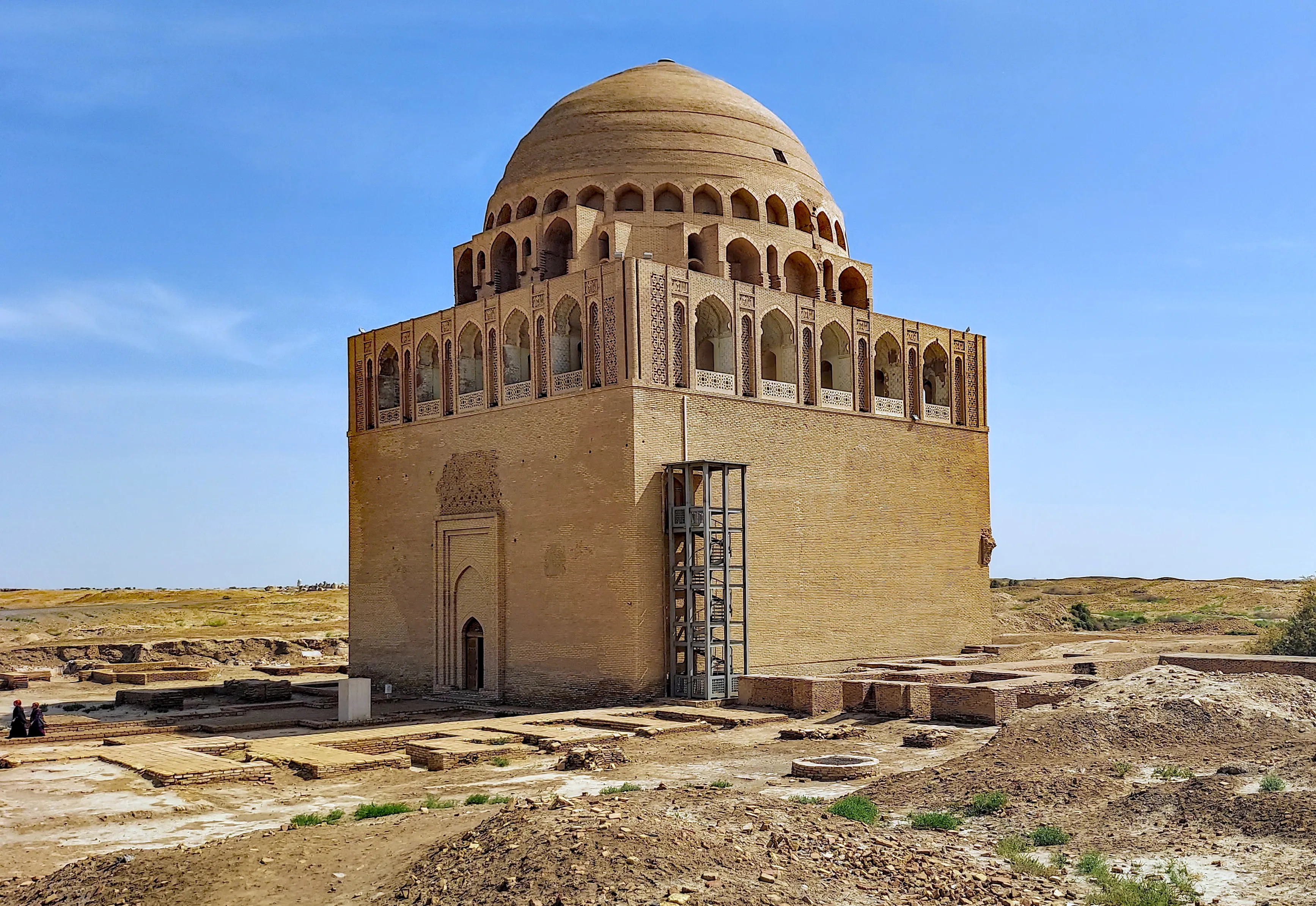
Ancient Merv is an essential stop for understanding Turkmenistan's place in Silk Road history. Located in the Mary region, this UNESCO World Heritage property preserves the remains of successive oasis cities, with a history stretching across approximately four millennia.
The site rewards an unhurried visit. Its earthen walls, fortifications and surviving monuments are spread across a large archaeological landscape. Highlights include the walled city remains of Erk Kala, Gyaur Kala and Sultan Kala, together with the Mausoleum of Sultan Sanjar. The distinctive corrugated walls of Great Kyz Kala are another memorable subject for photography.
A guide can help connect these separate places into a story of changing rulers, trade and urban life. Give yourself time to appreciate the scale of the site and to look closely at the brickwork and architectural details of the surviving buildings.
The Parthian Fortresses of Nisa
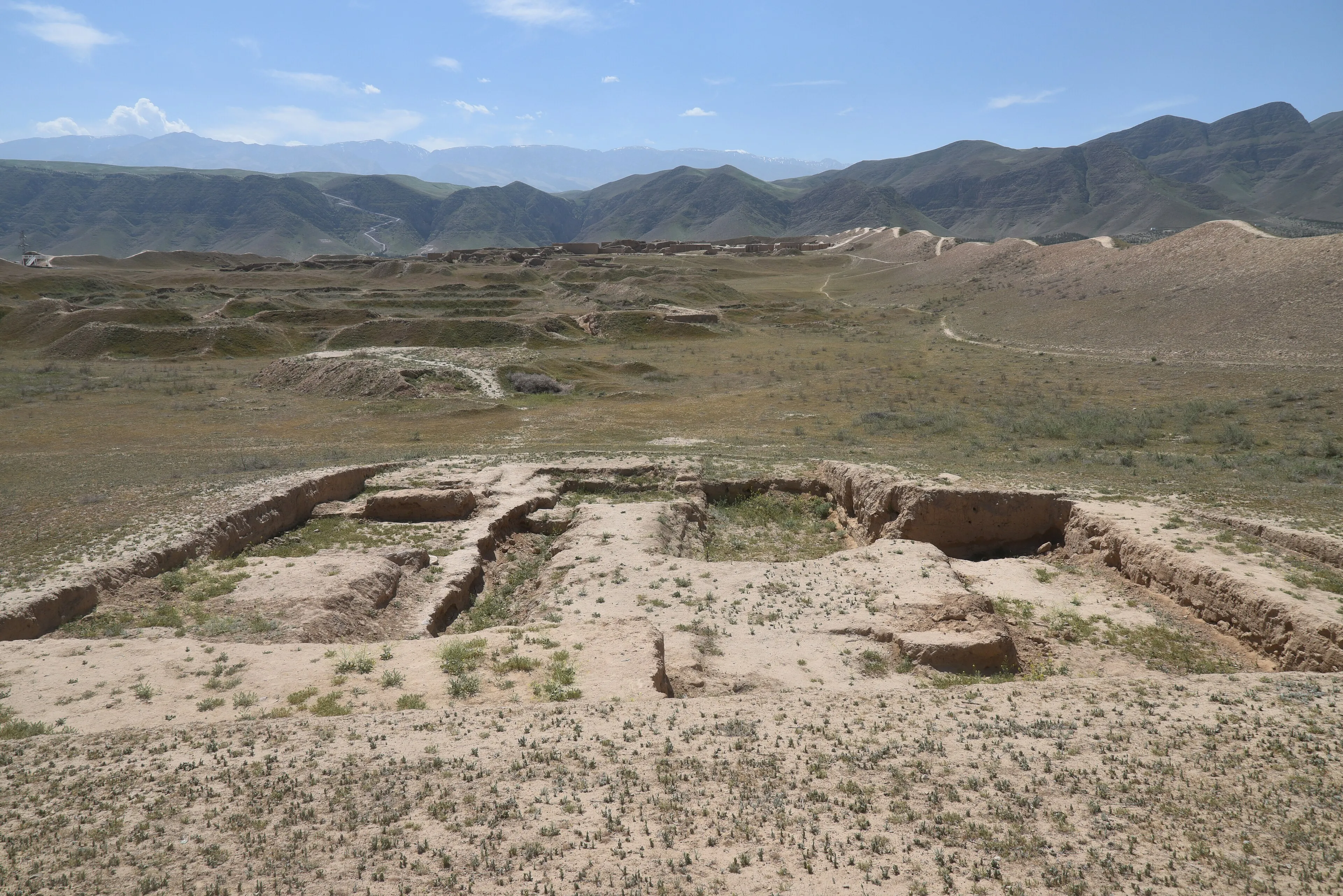
Near Ashgabat, at the foot of the Kopet Dag mountains, Nisa introduces an earlier chapter of regional history. The UNESCO-listed property includes Old Nisa and New Nisa, important centres associated with the Parthian Empire.
The surviving archaeological remains reflect a civilisation that connected Central Asian traditions with influences from the Mediterranean world. Walking through the site, you can begin to imagine the fortified spaces and ceremonial buildings that once stood here.
Nisa is particularly rewarding if you enjoy archaeology and want to place the country's later Silk Road monuments in a wider historical context. Its mountain backdrop also makes it a good visual complement to photographs of modern Ashgabat.
Kunya Urgench and the Monuments of Khorezm
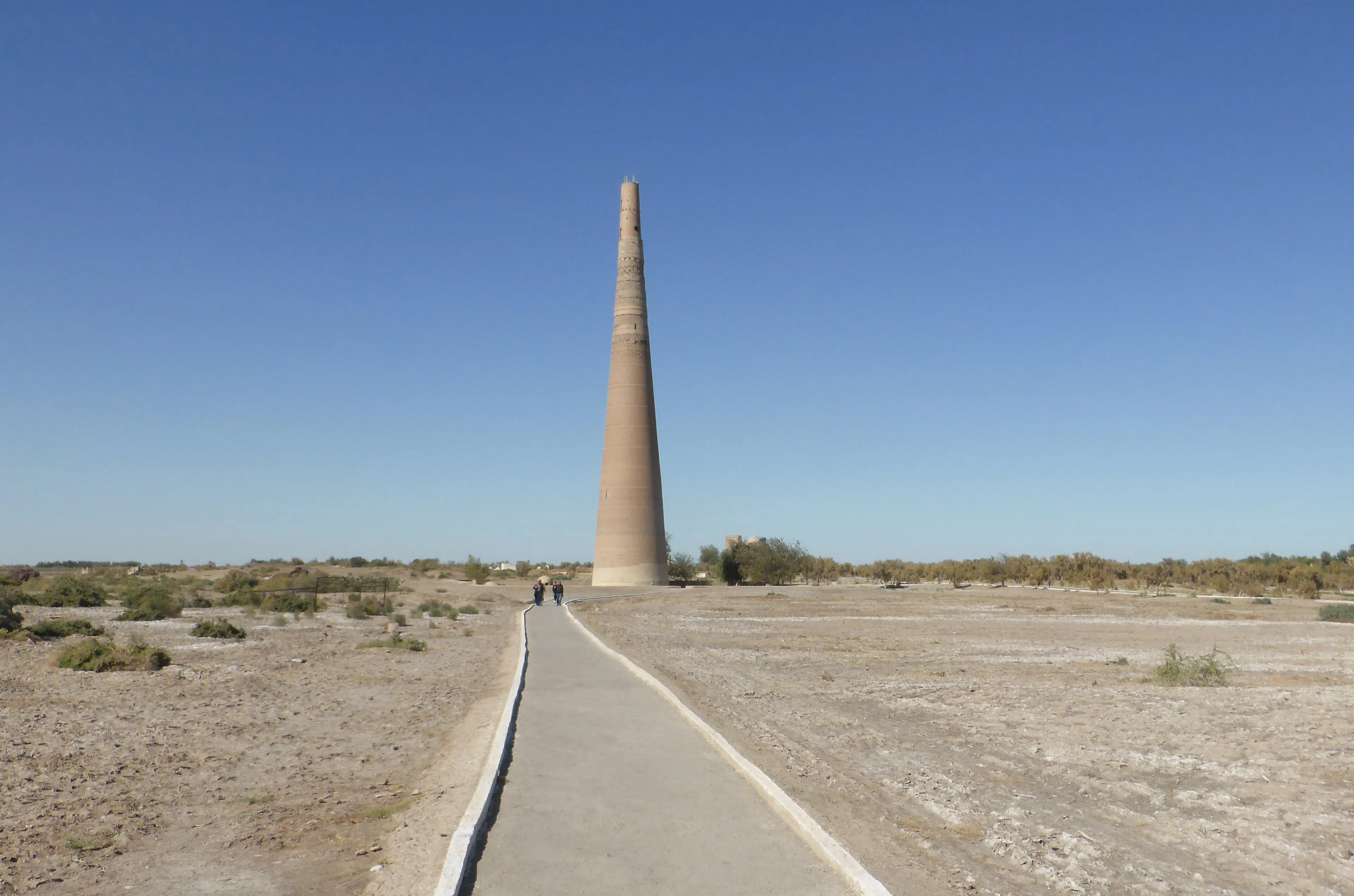
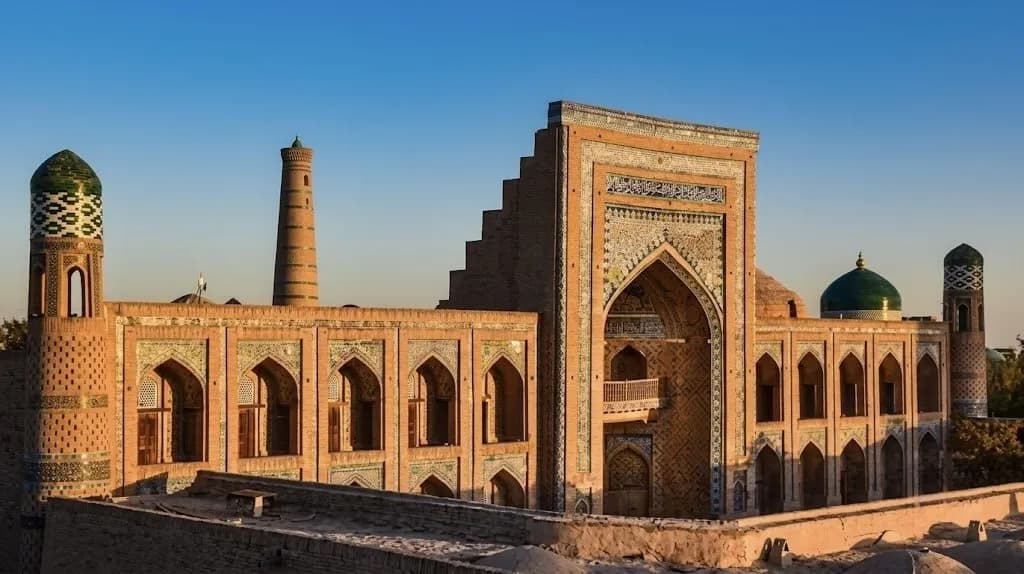
In northwestern Turkmenistan, Kunya-Urgench preserves monuments from a city that was once a capital of Khorezm. Its UNESCO-listed architectural heritage includes buildings and remains dating mainly from the 11th to the 16th centuries.
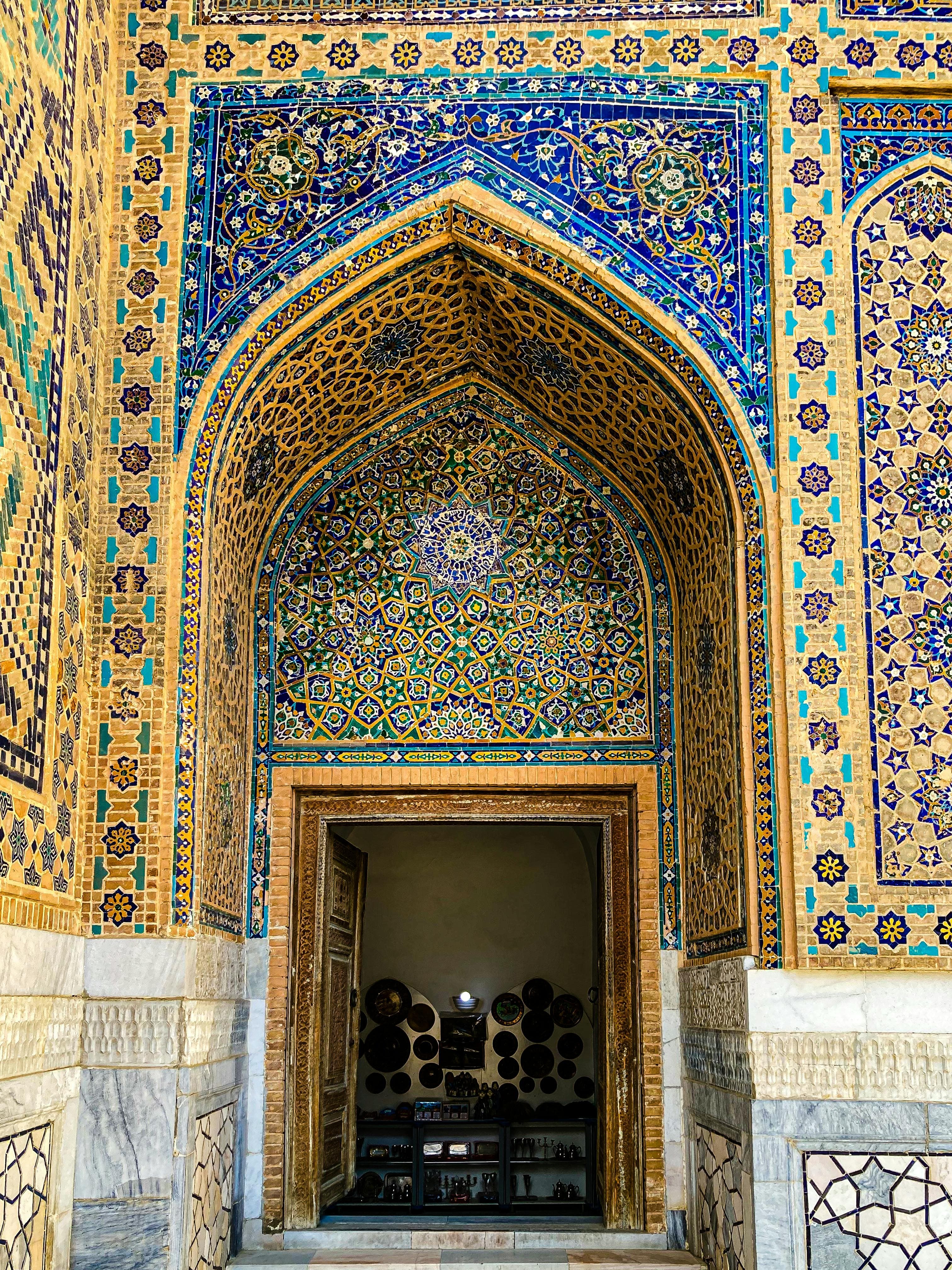
The skyline is marked by the approximately 60-metre Kutlug-Timur Minaret. Other important stops include the Turabek-Khanum Mausoleum, where decorative patterns and the interior dome invite a closer look. Together, the monuments reveal the skill of the builders and the importance of the city within the wider region.
For travellers who enjoy historic architecture, Kunya-Urgench deserves a place alongside Merv. A northern route through the Dashoguz region can also connect the visit with onward travel towards Uzbekistan, subject to confirmed border arrangements.
Yangykala Canyon
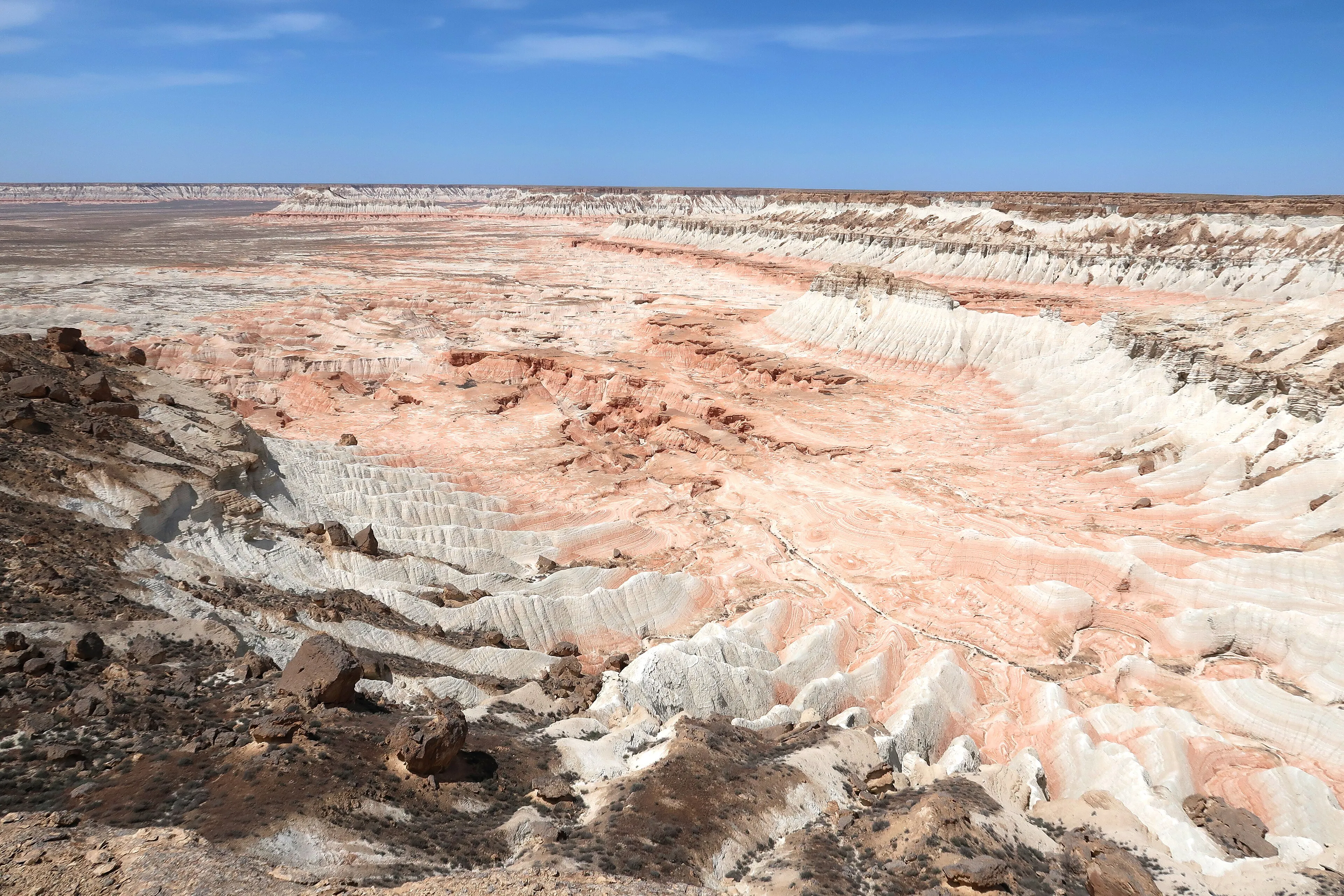
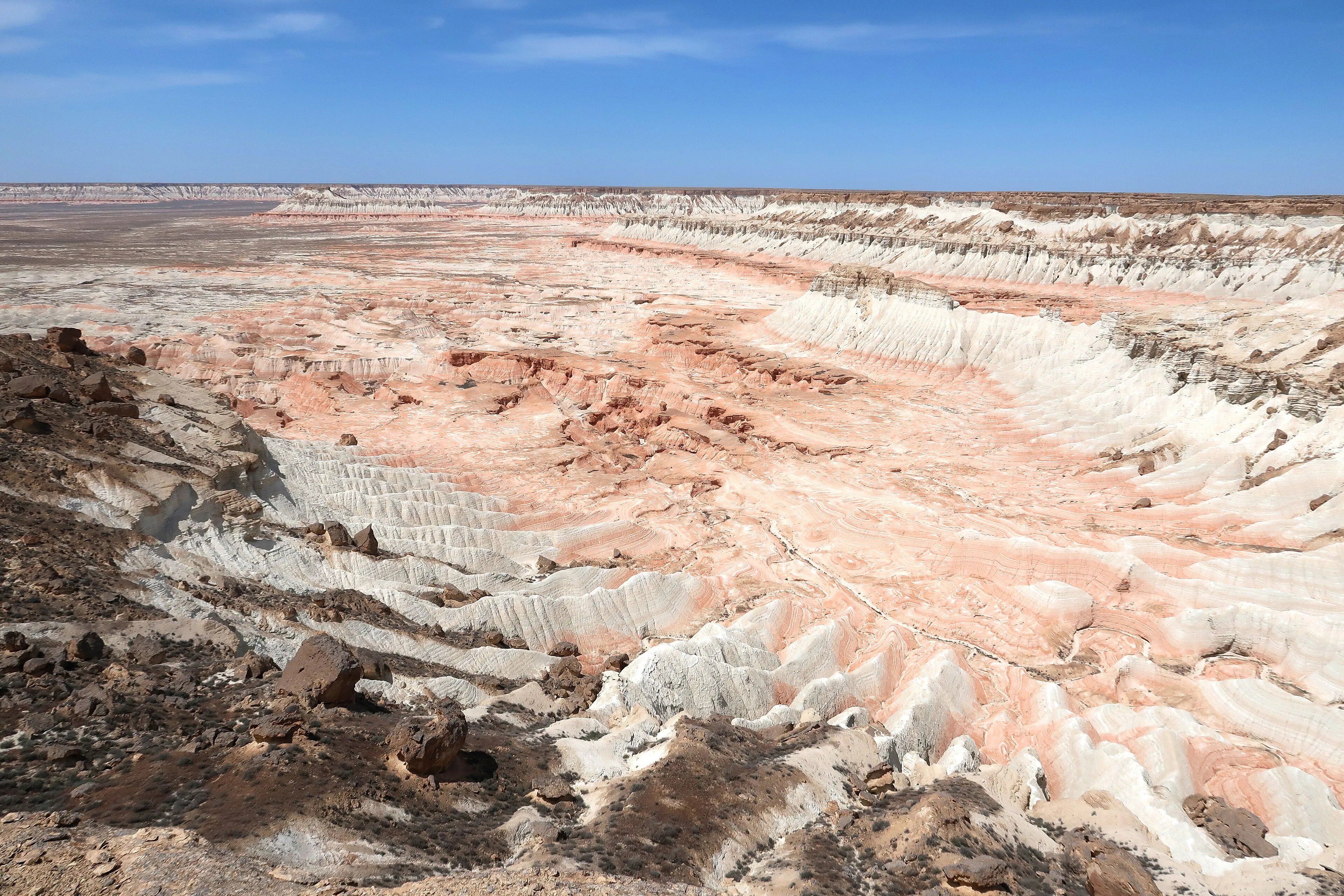
Yangykala is one of the most striking landscape stops to consider in western Turkmenistan. Located in the Balkan region, it features steep cliffs with layers of white, yellow, red and purple rock. Erosion has shaped the formations into walls and ridges overlooking the surrounding desert.
The appeal is in the changing colours and the breadth of the view. A wide photograph can show the scale of the cliffs, while a closer composition brings out the bands of colour. For a photography-focused journey, ask whether your visit can be timed for softer light early or late in the day.
Yangykala requires a dedicated western extension to many classic itineraries. Discuss suitable transport and driving times when planning the route, and leave room in the schedule to enjoy the viewpoints without rushing.
The Karakum Desert
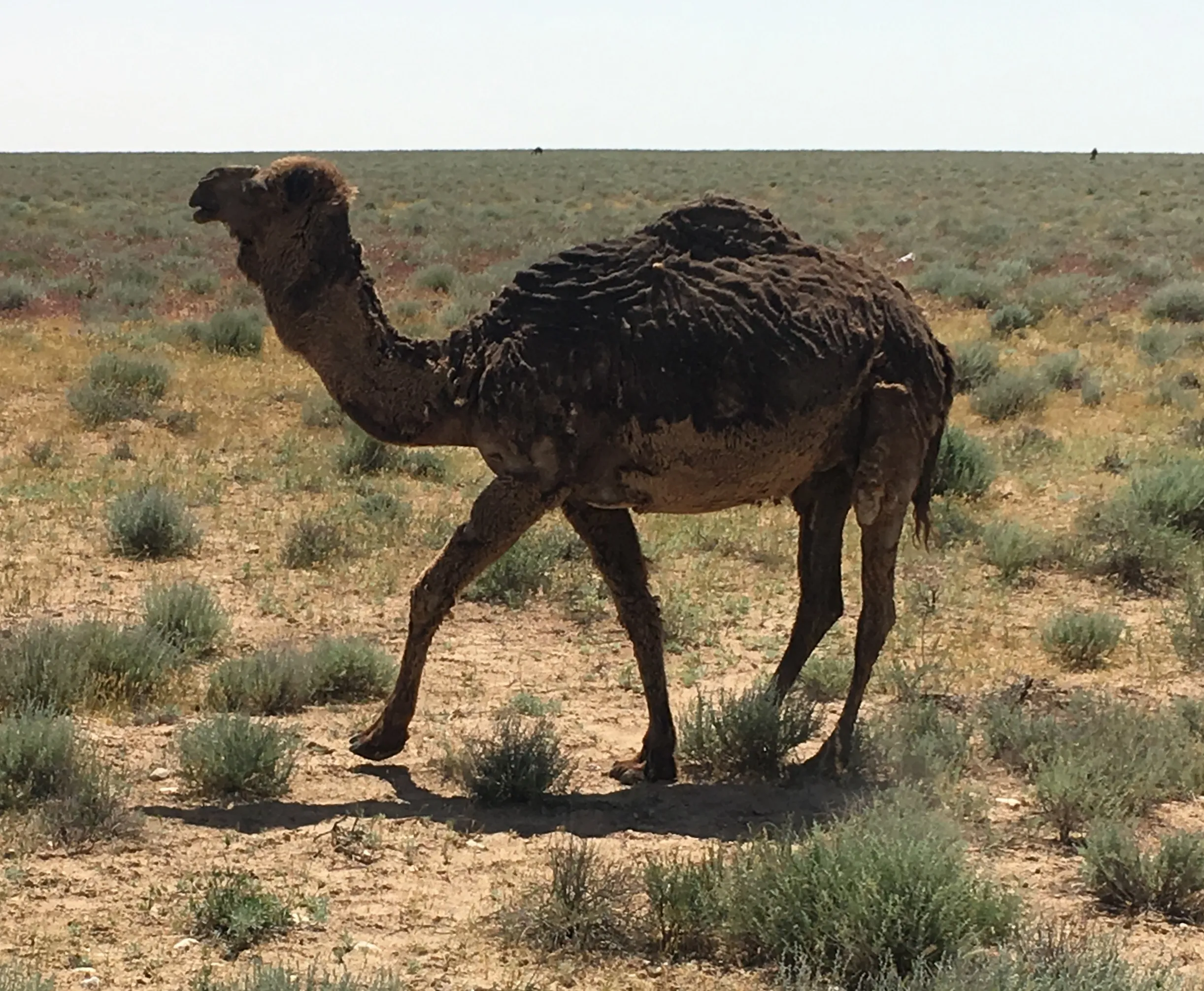
The Karakum is part of the journey as well as a destination in its own right. Open sandy landscapes, dunes and sparse desert vegetation provide a setting very different from the capital and the historic oasis cities.
An arranged desert stop gives you time to notice the details: patterns in the sand, the changing light and the long horizon. Where your programme includes an overnight stay, ask about the accommodation, washing facilities and bedding in advance. Desert conditions vary considerably by season, so suitable clothing and a well-planned route matter as much as the choice of sights.
Gonur Depe and Bronze Age History

Gonur Depe is a rewarding addition for travellers with a particular interest in archaeology. This large Bronze Age site in the Merv oasis dates broadly to the late third and early second millennia BCE, taking the story of the region far back before the medieval Silk Road cities.
The excavated walls and settlement remains are best explored with someone who can explain their layout and significance. This is a place to study the traces of an ancient society and think about how people lived in an oasis landscape thousands of years ago.
Treat Gonur Depe as a planned excursion from the Mary region, with enough time for the journey and exploration. Pairing it with Merv adds depth to an itinerary centred on ancient history.
Kow Ata Underground Lake
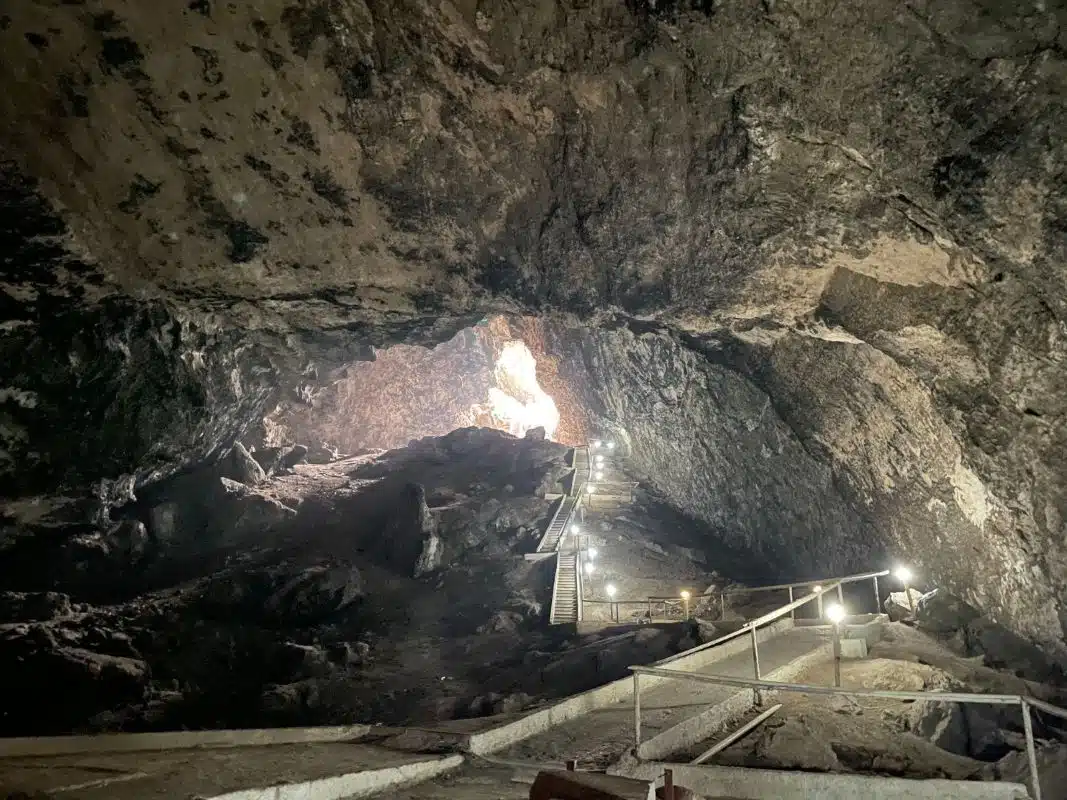
West of Ashgabat, Kow Ata offers a different kind of natural attraction: a warm underground lake inside Baharly cave. A long staircase leads down into the cavern, where low light and the enclosed setting create an experience very different from the open desert.
A visit can be considered as part of a day exploring the area west of the capital. If you would like to swim, confirm current access and local guidance before including it in your plans. The descent and climb back up should also be considered when deciding whether this stop suits everyone in your group.
Turkmen Culture Beyond the Monuments
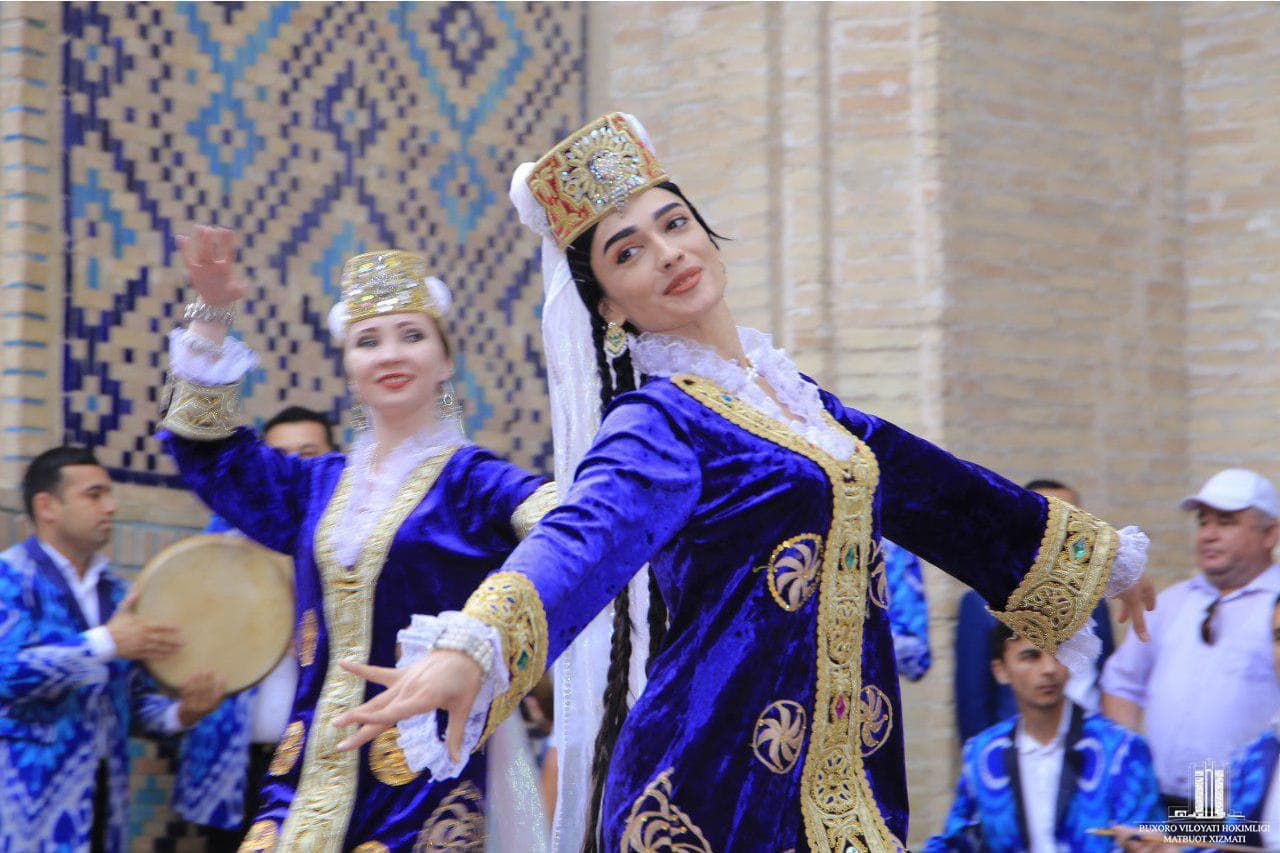
Make time for the living traditions that give the journey a cultural dimension. Traditional Turkmen carpet making, recognised by UNESCO as intangible cultural heritage, combines handwoven wool textiles with distinctive ornamental patterns. A museum or an arranged craft visit can help you understand the skill behind the finished carpets.
Akhal-Teke horses are another important part of Turkmen heritage. The associated breeding traditions and art of horse decoration also have UNESCO recognition. If this interests you, ask about an arranged visit that fits your itinerary.
Best Time to Visit Turkmenistan
Spring and autumn generally offer the most comfortable conditions for cultural sightseeing and desert journeys. April to May and September to October are useful starting points when choosing travel dates, especially if your itinerary includes several outdoor archaeological sites.
Summer can be intensely hot, while winter and desert evenings require warmer clothing. Consider the whole route when choosing the season: a city-focused trip and a longer journey through remote landscapes will have different practical needs. Comfortable walking shoes, sun protection and layers for changing temperatures are useful across many itineraries.
How Much Time to Allow
For a balanced first visit, consider around seven to ten days, adjusting the length to your interests and transport arrangements. A shorter itinerary can focus on selected highlights; a longer stay gives more room for Yangykala, Gonur Depe or other extensions.
For a concrete starting point, Minzifa Travel's five-day Turkmenistan Heritage Tour includes Ashgabat, Merv, Darvaza and Kunya-Urgench. Compare the route with your priorities, then discuss whether you would prefer a slower pace or additional stops.
Practical Travel Planning
Turkmenistan introduced an electronic visa system in October 2026. Before booking, confirm the current application process, supporting documents, registration and any route permissions that apply to your nationality and itinerary with the relevant Turkmen authorities and your tour organiser.
Arrange transport and remote visits in advance, and reconfirm any planned land-border crossing close to travel. Ask before photographing people, and check local restrictions before photographing government or security-related buildings. These preparations help the journey run more smoothly and make the experience more respectful for everyone involved.
Explore Turkmenistan with Minzifa Travel
Whether you are drawn to the history of Merv, the architecture of Kunya-Urgench or the colours of Yangykala, begin by choosing the experiences that matter most to you. Minzifa Travel offers Turkmenistan itineraries and journeys that combine the country with other Central Asian destinations.
Browse our Turkmenistan tours, explore a Five Stans itinerary, or contact Minzifa Travel to discuss your preferred dates, route and travel arrangements. A carefully planned programme can bring the country's major sights together while leaving time to appreciate the places along the way.