June 17, 2019 · 2 min read
25 Incredible Photos Of Uzbekistan Which Inspire You To Start Planning To Visit Uzbekistan
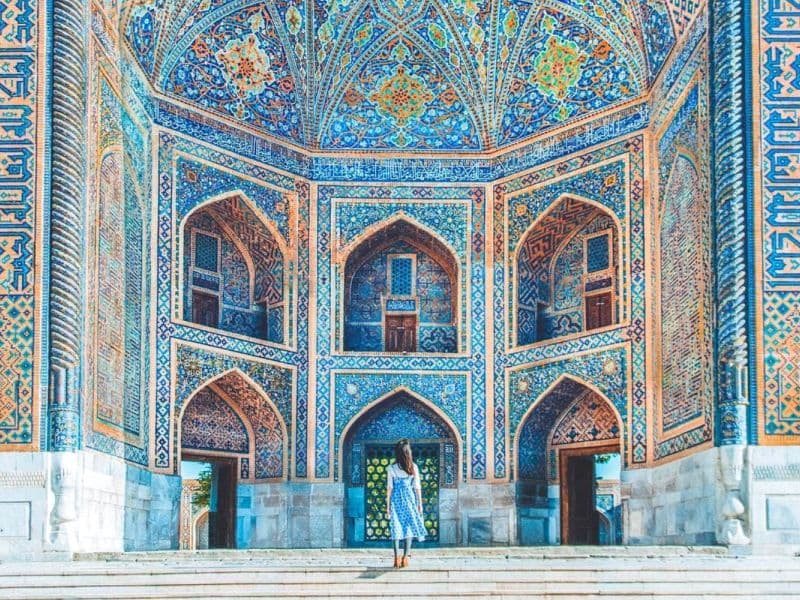
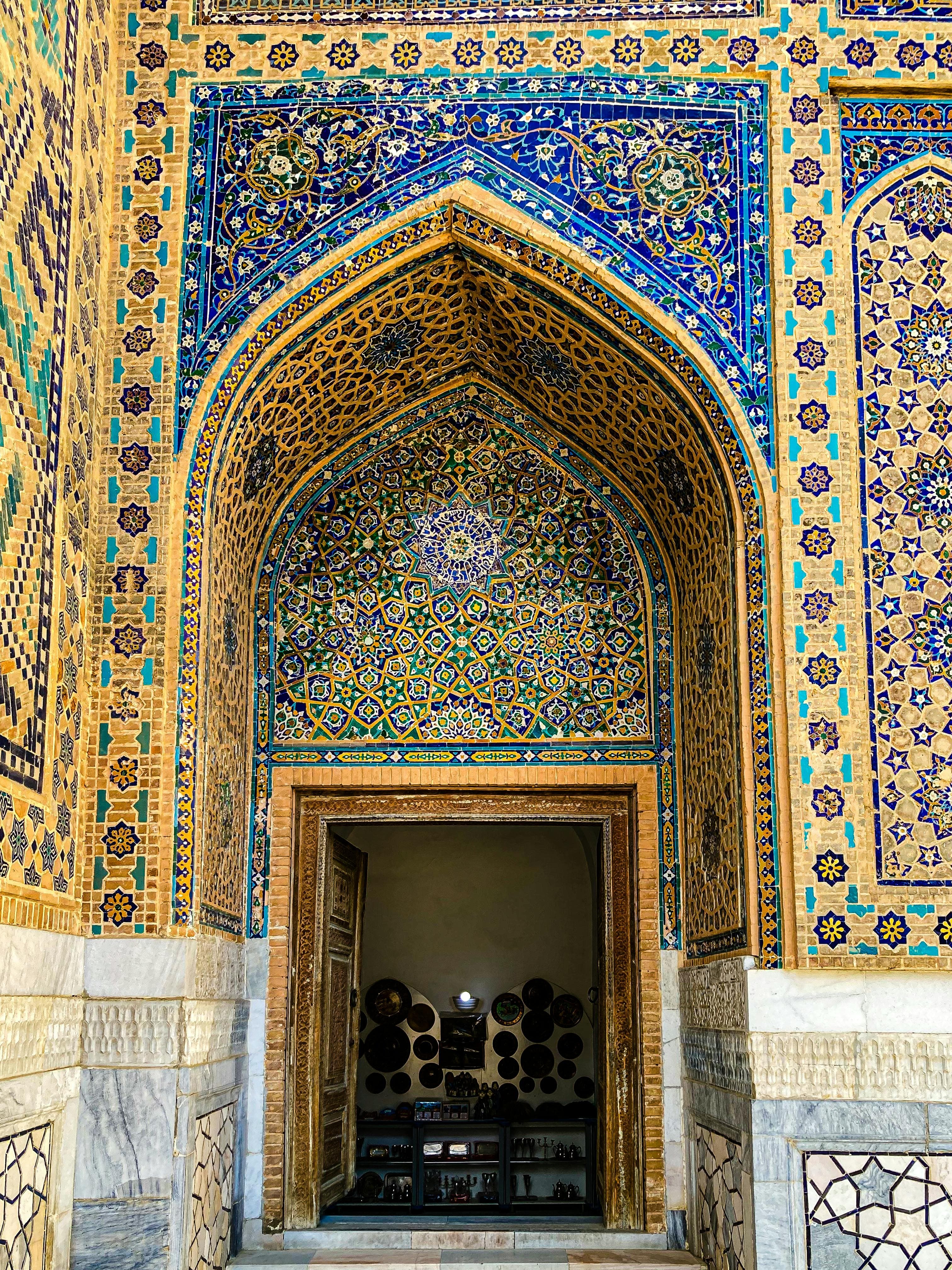
Uzbekistan is well known for its magnificent Silk Road architecture, with its three legendary cities—Samarkand, Bukhara, and Khiva—offering completely different experiences. Each destination has its own history, culture, and architectural masterpieces, making every journey across Uzbekistan unique.
During your trip, you'll discover:
- Ancient architectural wonders that have stood the test of time
- Spectacular mountain landscapes and natural scenery
- Authentic local traditions, culture, and everyday life
Below is a collection of inspiring photos showcasing some of the country's most remarkable places.
1. Tashkent – Hazrati Imam Complex
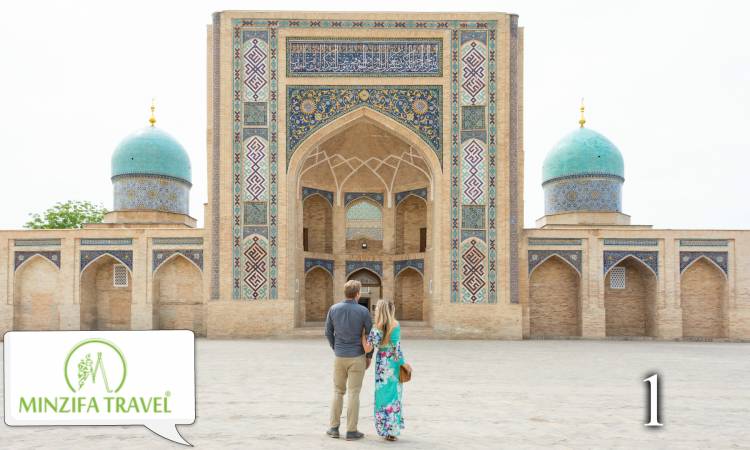
The Hazrati Imam Complex is one of Central Asia's most impressive religious ensembles. It includes the Barak-Khan Madrasah, Tilla Sheikh Mosque, Muyi Muborak Madrasah, Kaffal Shashi Mausoleum, and Namazgoh Mosque.
2. Monument to Amir Timur
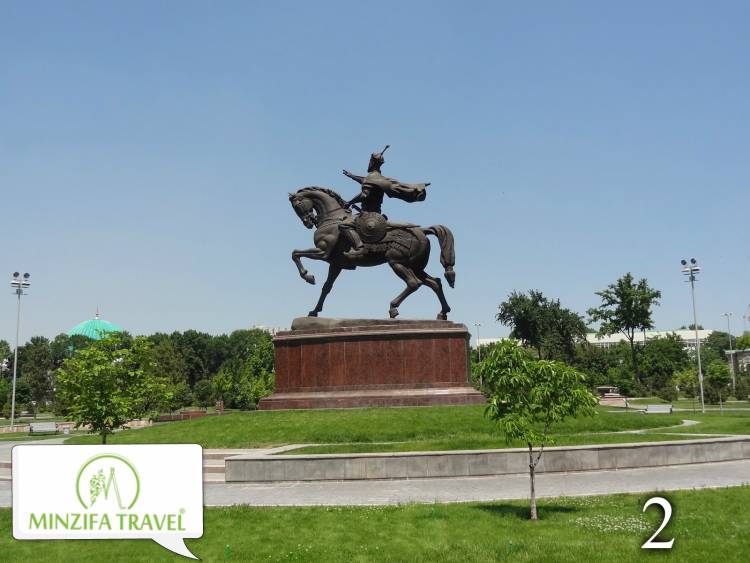
Located in Amir Timur Square, this monument honors the famous 14th-century conqueror and founder of the Timurid Empire.
3. Tashkent Metro
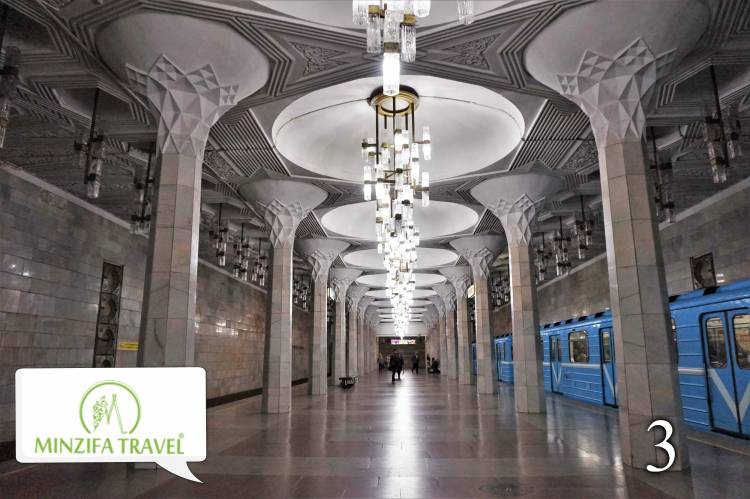
The Tashkent Metro is not only an efficient transportation system but also one of the world's most beautifully decorated underground railways, with each station featuring its own architectural style.
4. Khiva – Itchan Kala
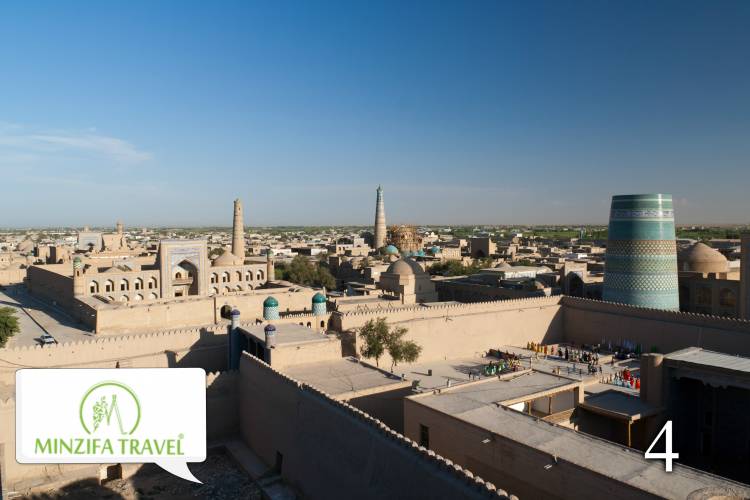
Itchan Kala is the historic walled city of Khiva and a UNESCO World Heritage Site. Walking through its gates feels like stepping back into the Silk Road era.
5. Bukhara – Abdulaziz Khan Madrasah
Abdulaziz Khan Madrasah is famous for its elaborate decorative details and colorful interior, representing one of Bukhara's finest examples of Islamic architecture.
6. Bukhara – Ulugbek Madrasah
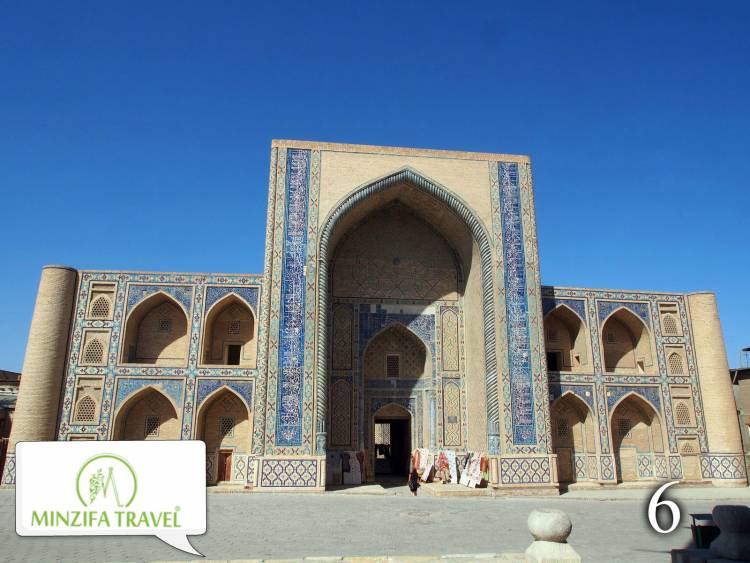
Built in the 15th century by Ulugbek, this madrasah became a model for many educational institutions across Central Asia.
7. Bukhara – Kalon Mosque
Kalon Mosque is one of Central Asia's largest historic mosques, capable of accommodating around 10,000 worshippers. Its spacious courtyard features beautiful tilework.
8. Bukhara – Qo'sh Madrasah
This remarkable architectural ensemble showcases the creativity of medieval architects, who departed from traditional layouts to create a distinctive design.
9. Ark of Bukhara
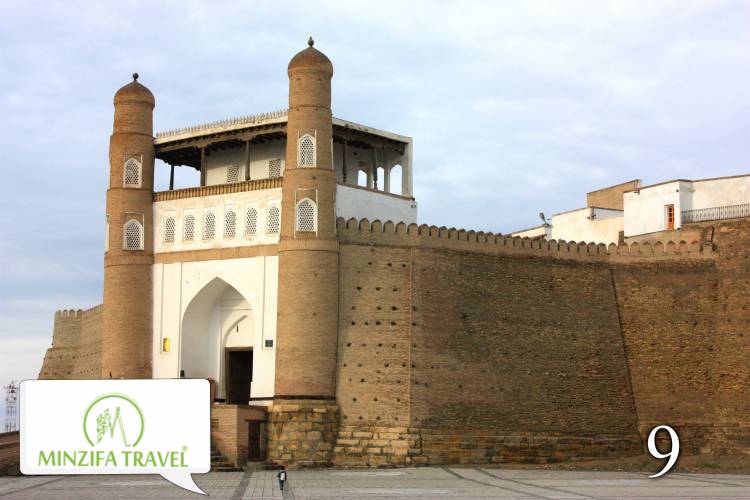
The Ark Fortress served as the residence of Bukhara's rulers for centuries. Today it houses museums dedicated to the city's rich history.
10. Bukhara – Chor Minor
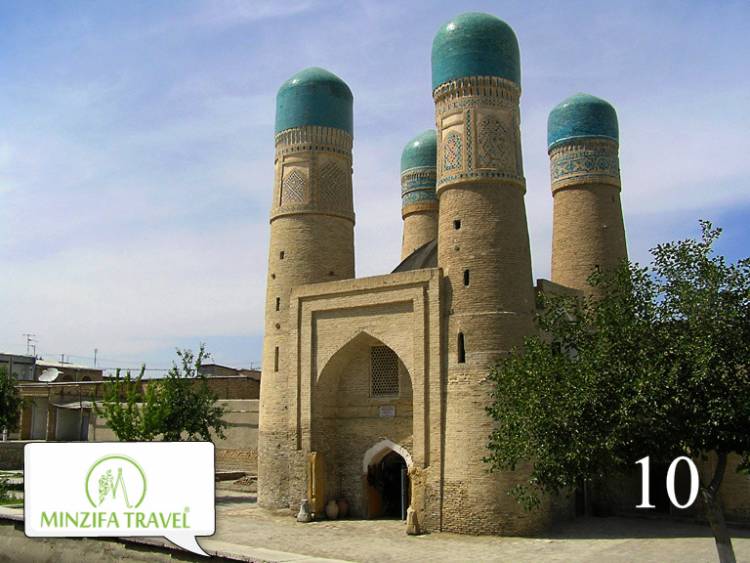
Chor Minor ("Four Minarets") is one of Bukhara's most recognizable landmarks, located near the Lyabi-Hauz ensemble.
11. Bukhara – Emir's Summer Palace
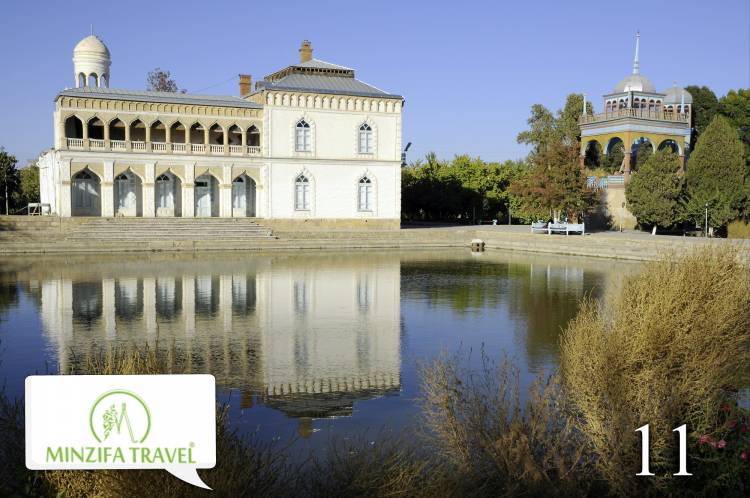
Sitorai Mokhi Khosa, the Emir's Summer Palace, combines Oriental and European architectural styles and offers a glimpse into royal life.
12. Bukhara – Baha-ud-Din Naqshband Complex
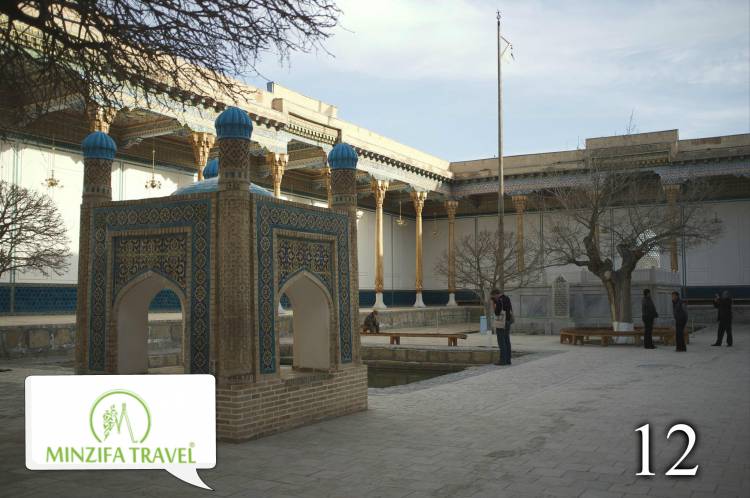
This sacred complex is the burial place of Baha-ud-Din Naqshband, founder of the Naqshbandi Sufi Order.
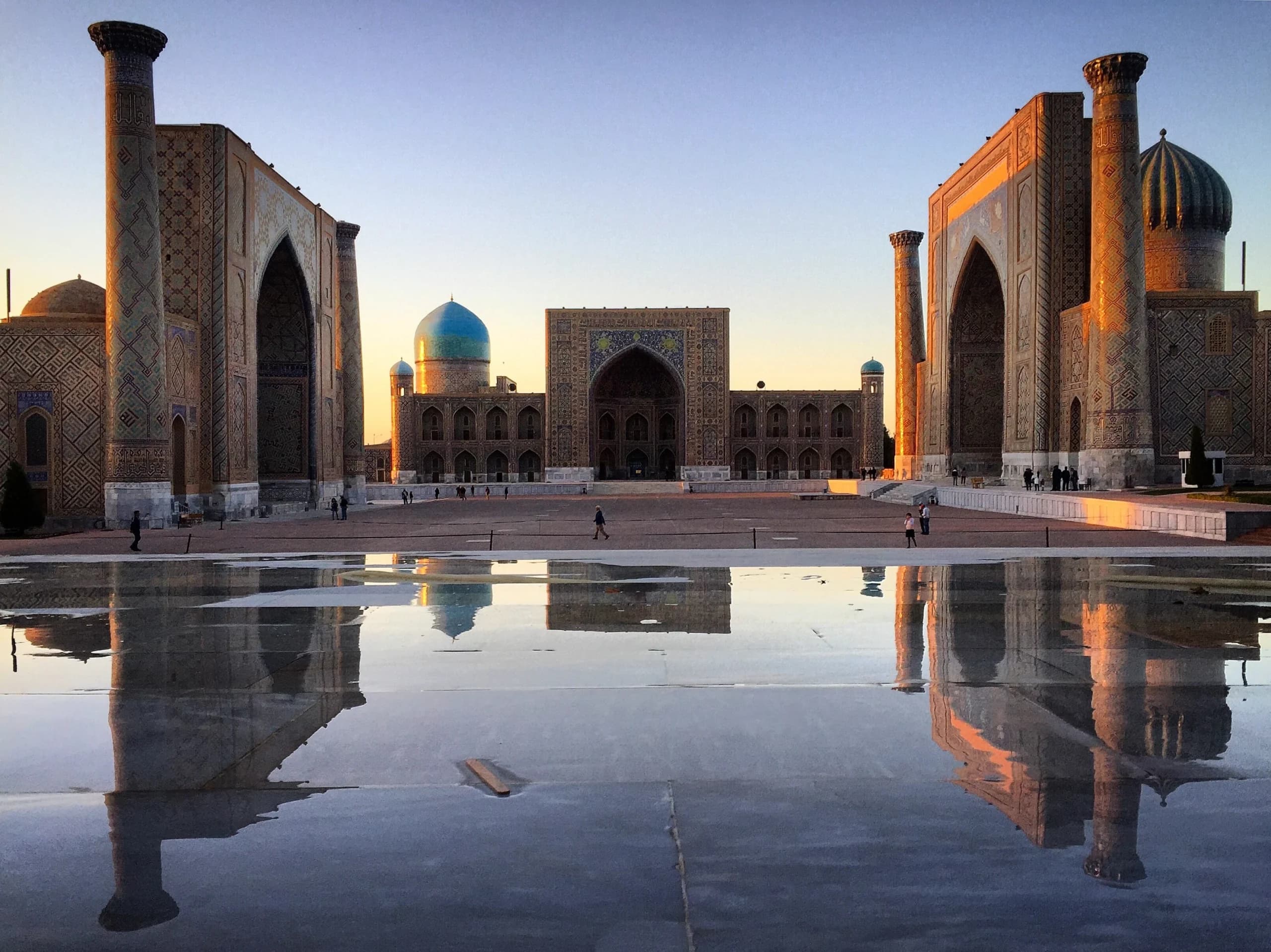
13. Samarkand – Registan
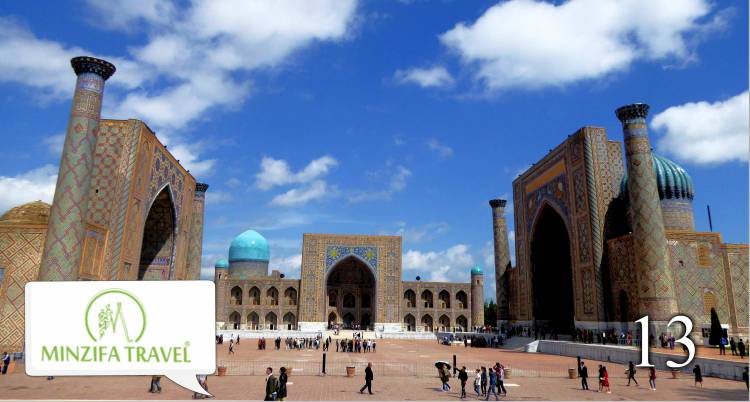
Registan Square is Uzbekistan's most iconic landmark, surrounded by the Ulugbek, Sher-Dor, and Tilya-Kori madrasahs.
14. Samarkand – Gur-e-Amir Mausoleum
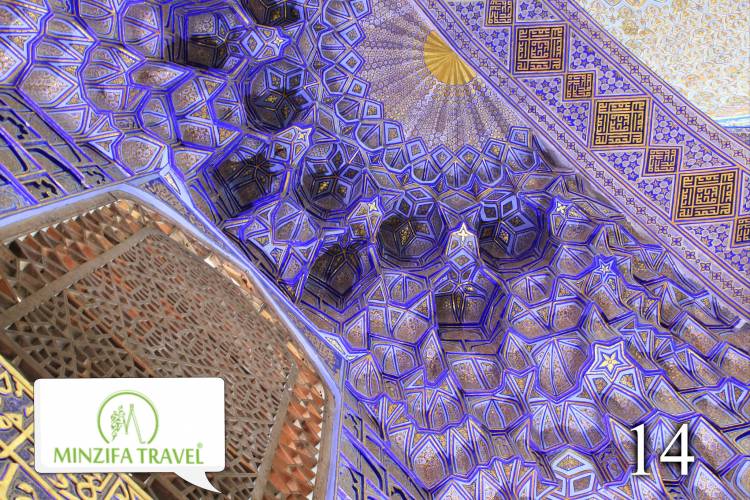
The Gur-e-Amir Mausoleum is the final resting place of Amir Timur and members of the Timurid dynasty.
15. Samarkand – Bibi-Khanym Mosque
Once among the largest mosques in the Islamic world, Bibi-Khanym Mosque remains one of Samarkand's architectural masterpieces.
16. Samarkand – Traditional Uzbek Cuisine
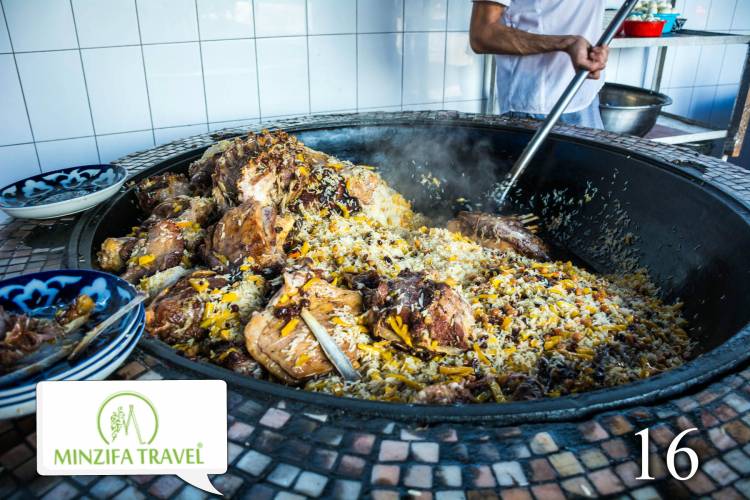
Sample local specialties including Plov, Manti, Shurpa, Shashlik, Lagman, and Samsa.
17. Independence Square Monument
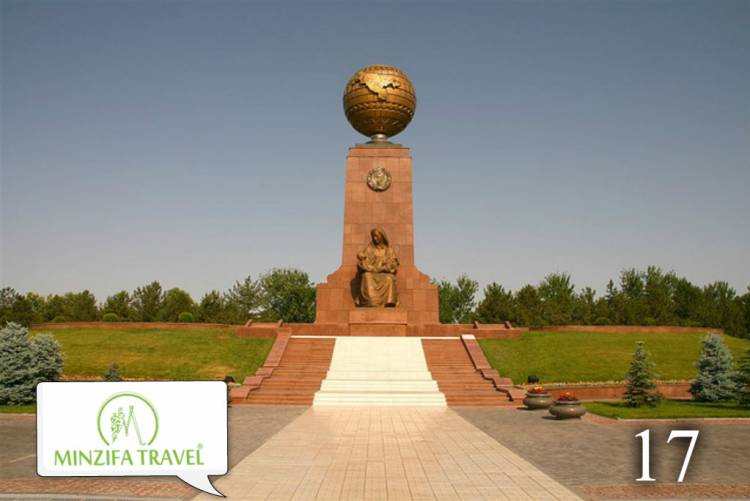
The bronze globe at Independence Square symbolizes the independence and sovereignty of Uzbekistan.
18. Golden Decorations Inside Gur-e-Amir
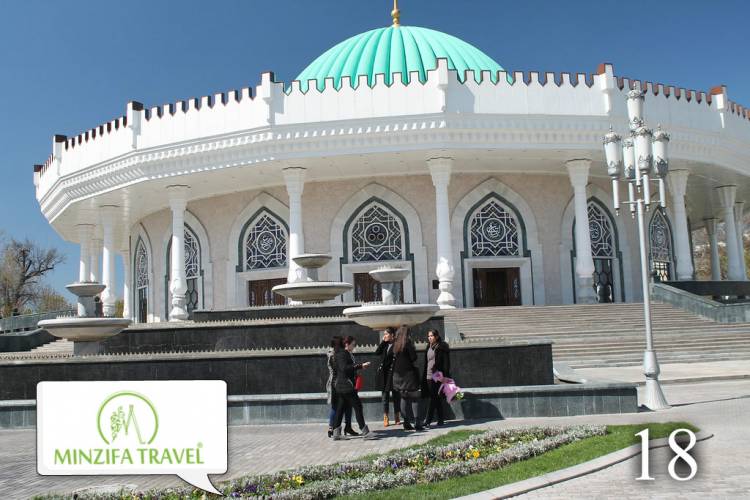
The mausoleum's richly decorated interior features intricate golden inscriptions and exquisite craftsmanship.
19. Kamchik Pass
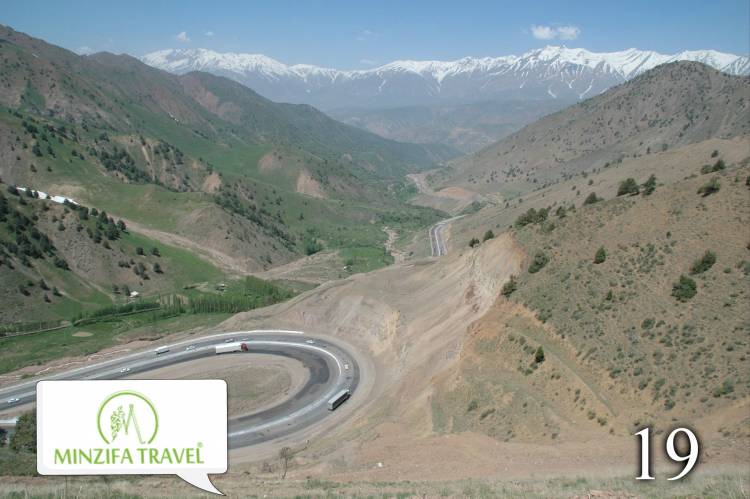
Kamchik Pass connects Tashkent with the Fergana Valley through the Qurama Mountains and offers breathtaking scenery.
20. Handmade Uzbek Carpets
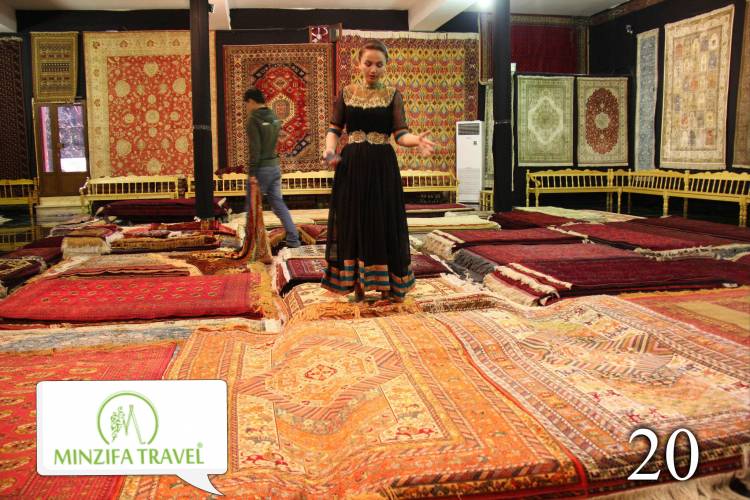
Uzbek artisans are renowned for producing beautiful handwoven carpets using centuries-old techniques.
21. Registan at Night
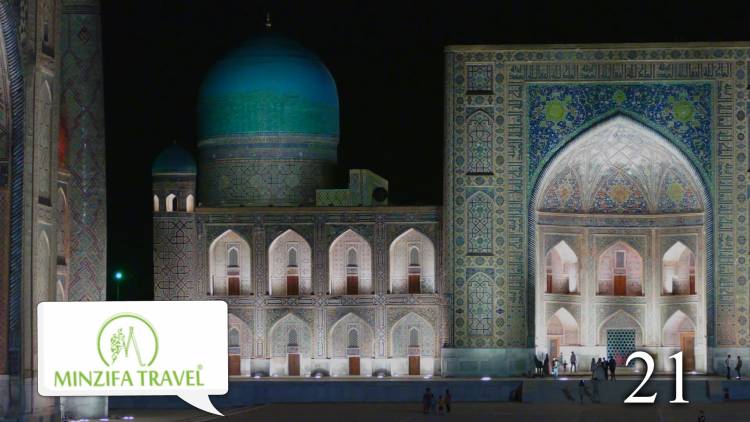
The illuminated Registan is one of Uzbekistan's most spectacular nighttime attractions.
22. Kukeldash Madrasah
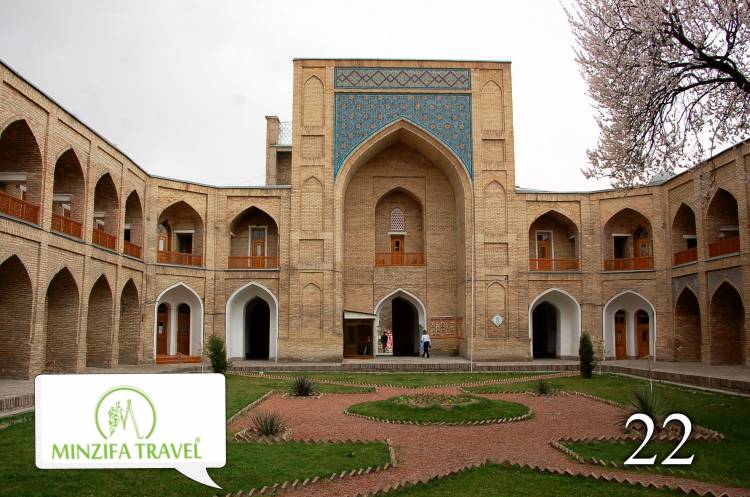
Located near Chorsu Bazaar, Kukeldash Madrasah is one of Tashkent's oldest Islamic schools.
23. Chorsu Bazaar
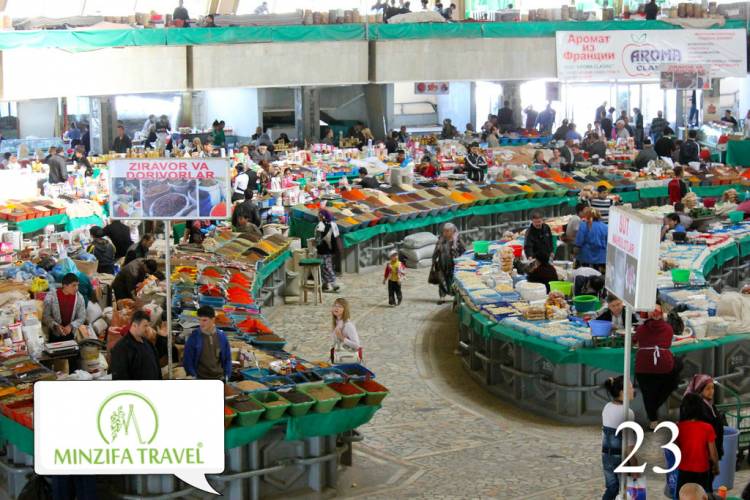
Chorsu Bazaar is the heart of local life, offering fresh produce, spices, crafts, and traditional foods.
24. Traditional Silk Clothing
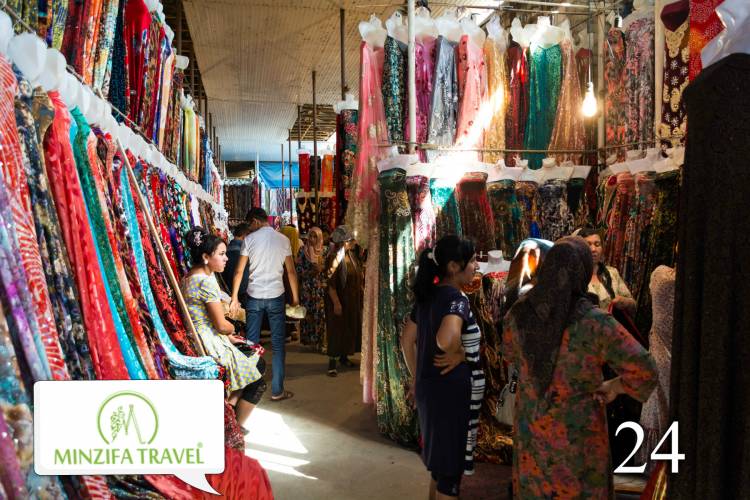
Silk weaving remains an important part of Uzbekistan's cultural heritage, producing colorful handmade fabrics and garments.
25. Camping in Yurts – Kyzylkum Desert
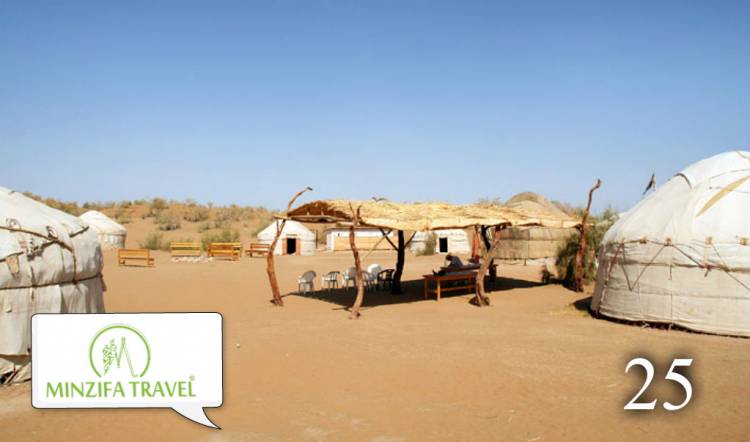
Spend a night in a traditional yurt surrounded by the red sands of the Kyzylkum Desert for an unforgettable Silk Road experience.
Every journey through Uzbekistan offers countless memorable moments and incredible photo opportunities. From ancient monuments and lively bazaars to mountain passes and desert camps, the country is full of unforgettable experiences.
Explore more travel inspiration and destination guides on the Minzifa Travel blog.