October 10, 2025 · 1 min read
Chashma-Ayub Mausoleum in Bukhara, Uzbekistan
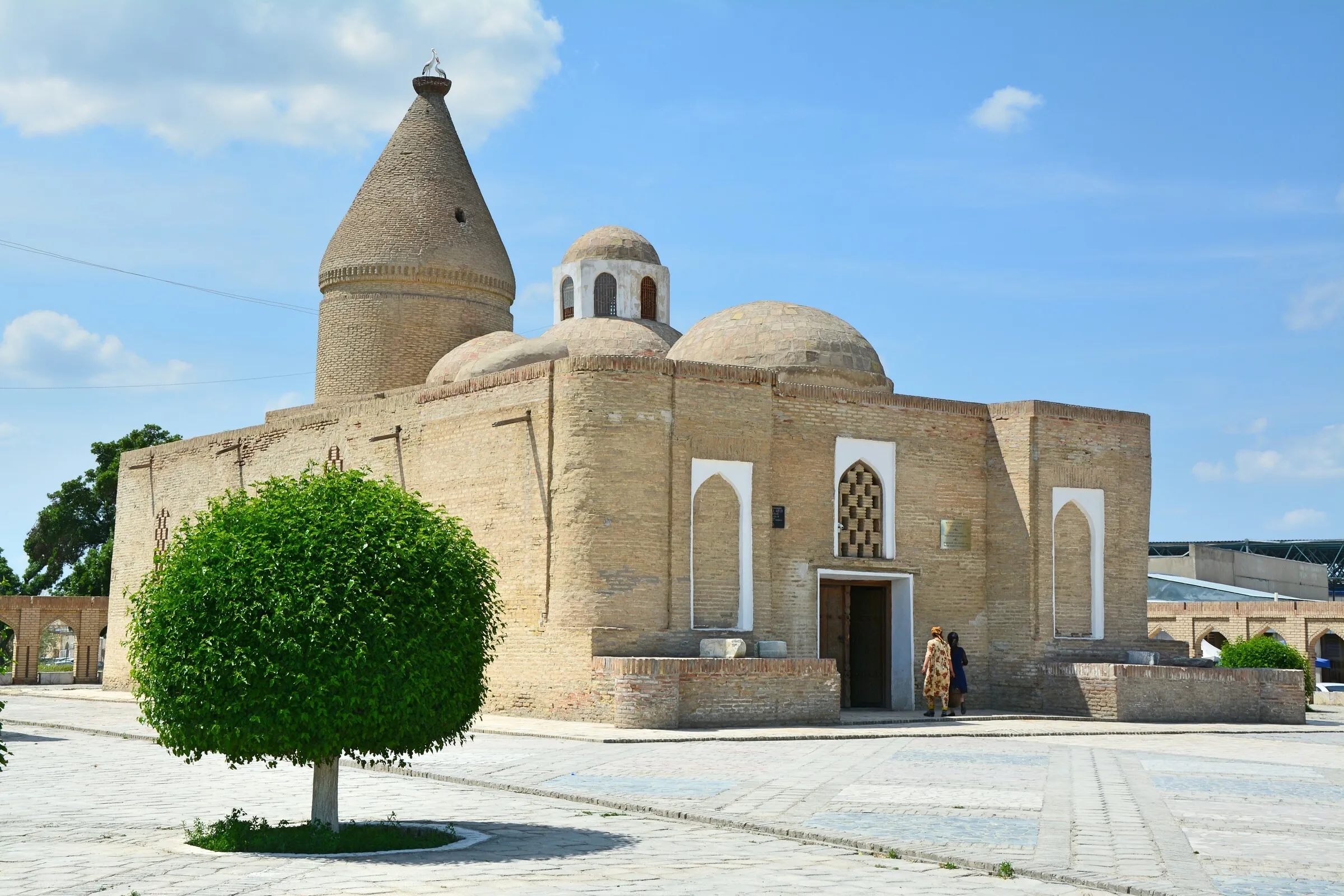
In the heart of Bukhara, the Chashma‑Ayub Mausoleum—literally Job’s Spring—interweaves legend, hydrology, and architecture into one magnetic landmark. Beneath its rare, conical dome, Khwarazmian brickwork forms iridescent patterns, a desert palimpsest guiding travelers toward a venerated well where, locals whisper, the prophet struck earth and water answered. Inside, cool acoustics, a shadowed iwan, and a compact museum narrate the city’s ingenious water supply, from ancient kariz channels to meticulous restorations. Outside, Samanid Park rustles; minarets punctuate the sky; time seems patient.
For pilgrims, a palmful of mineral water tastes like blessing. For aesthetes, the masonry reads like a chronicle: Karakhanid roots, Timurid refinements, and later care fused into an audacious silhouette. Come for the myth; stay for the textures—the interlacing bricks, the cone’s northern accent in a southern city, the way utility becomes beauty.
Why it lingers:
- A conical dome rare for Bukhara.
- Water as relic and lifeline.