October 8, 2025 · 1 min read
Desert Research Stations of Kyzylkum
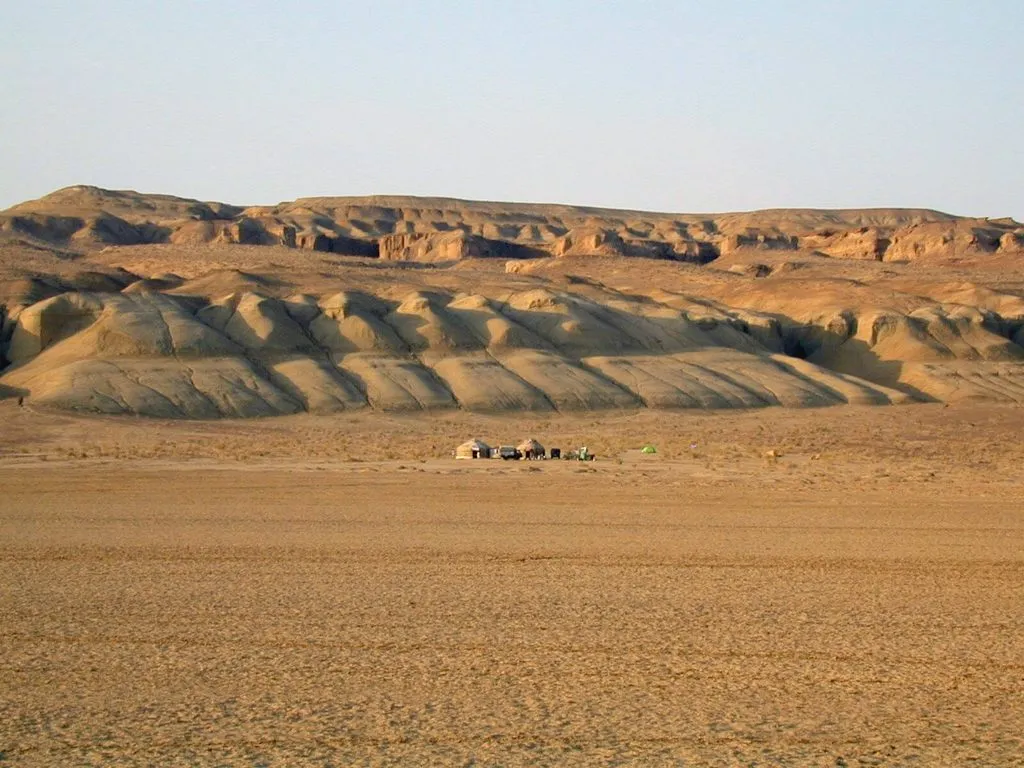
On the map, Kyzylkum looks endless; on the ground, it’s a living laboratory. Scattered across dunes and takyrs stand modest desert research stations—rugged bases where geologists, biologists, and climate scientists trade city comforts for data and stars.
Anchored between the Amu Darya and Syr Darya, these stations monitor how sand moves, how rare rain breathes life into saxaul and camelthorn, and how wildlife endures extremes: goitered gazelles tracing ancient paths, jerboas stitching the night with quick silver arcs, and the desert monitor basking on warm stone. Here, the desert becomes evidence, not emptiness.
Instruments hum: anemometers map wind, dust samplers catch far-traveled aerosols, and loggers record heat and cold that can swing by forty degrees in a day. Long series from Soviet times to today reveal trends in aridity, pasture pressure, and the shifting pulse of Central Asia.
What scientists study
- Dune migration and crusted salt flats (takyrs)
- Plant adaptations: deep roots, tiny leaves, salty soils
- Fauna surveys: reptiles, steppe birds, small mammals
- Microclimates, dew, and groundwater recharge
- Dust transport and its impact on health and glaciers
For visitors and students
- Best seasons: spring and autumn
- Bring sun protection, a scarf for dust, and curiosity
- Respect fragile habitats and research protocols
At night, solar panels whisper, radios crackle, and the Milky Way pours over the yard. In Kyzylkum, science feels tangible—measured in footprints, wind lines, and the taste of tea in the shade of saxaul.