October 9, 2025 · 1 min read
Lyabi-Hauz: Bukhara’s Timeless Waterside Ensemble
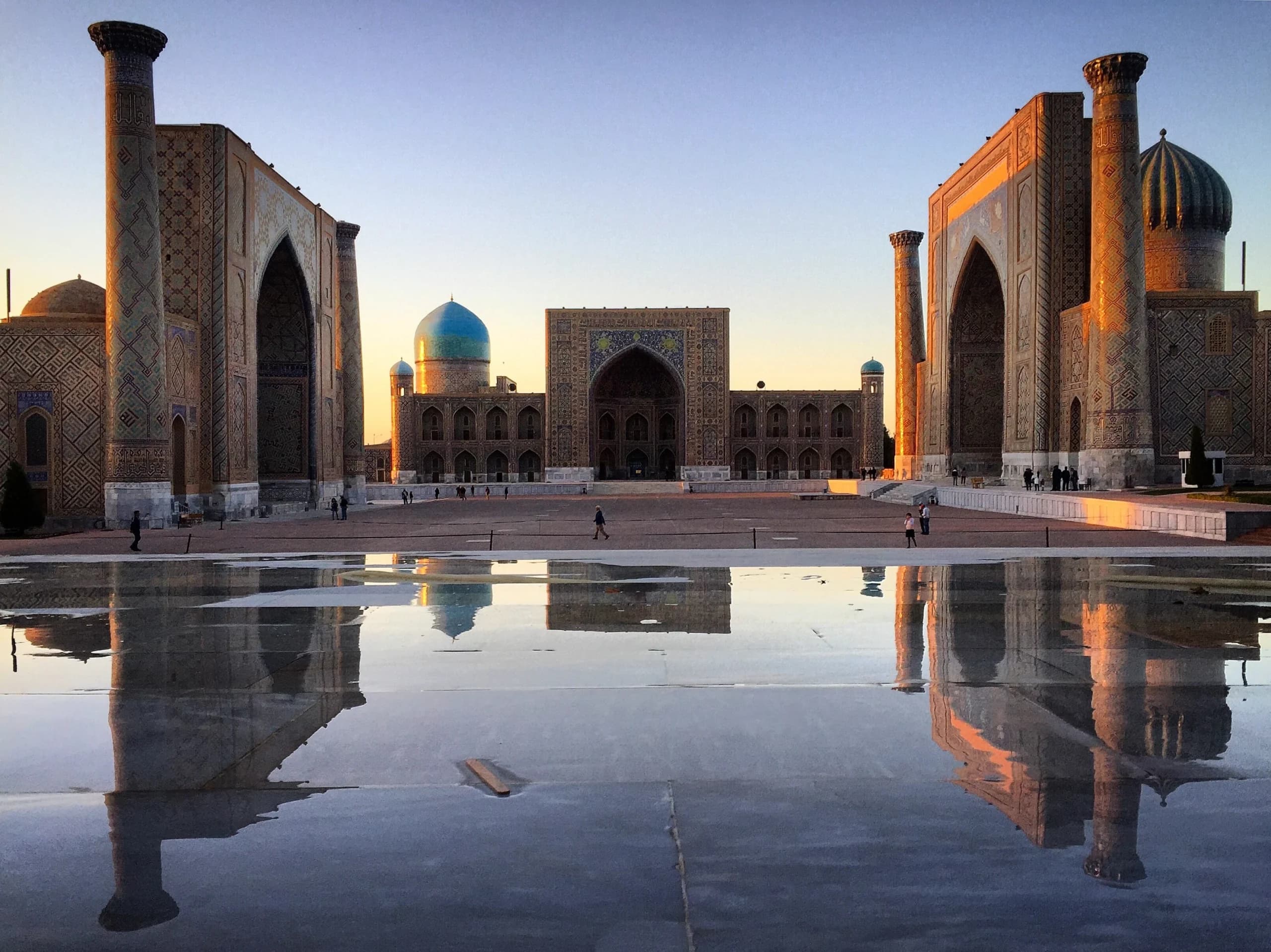
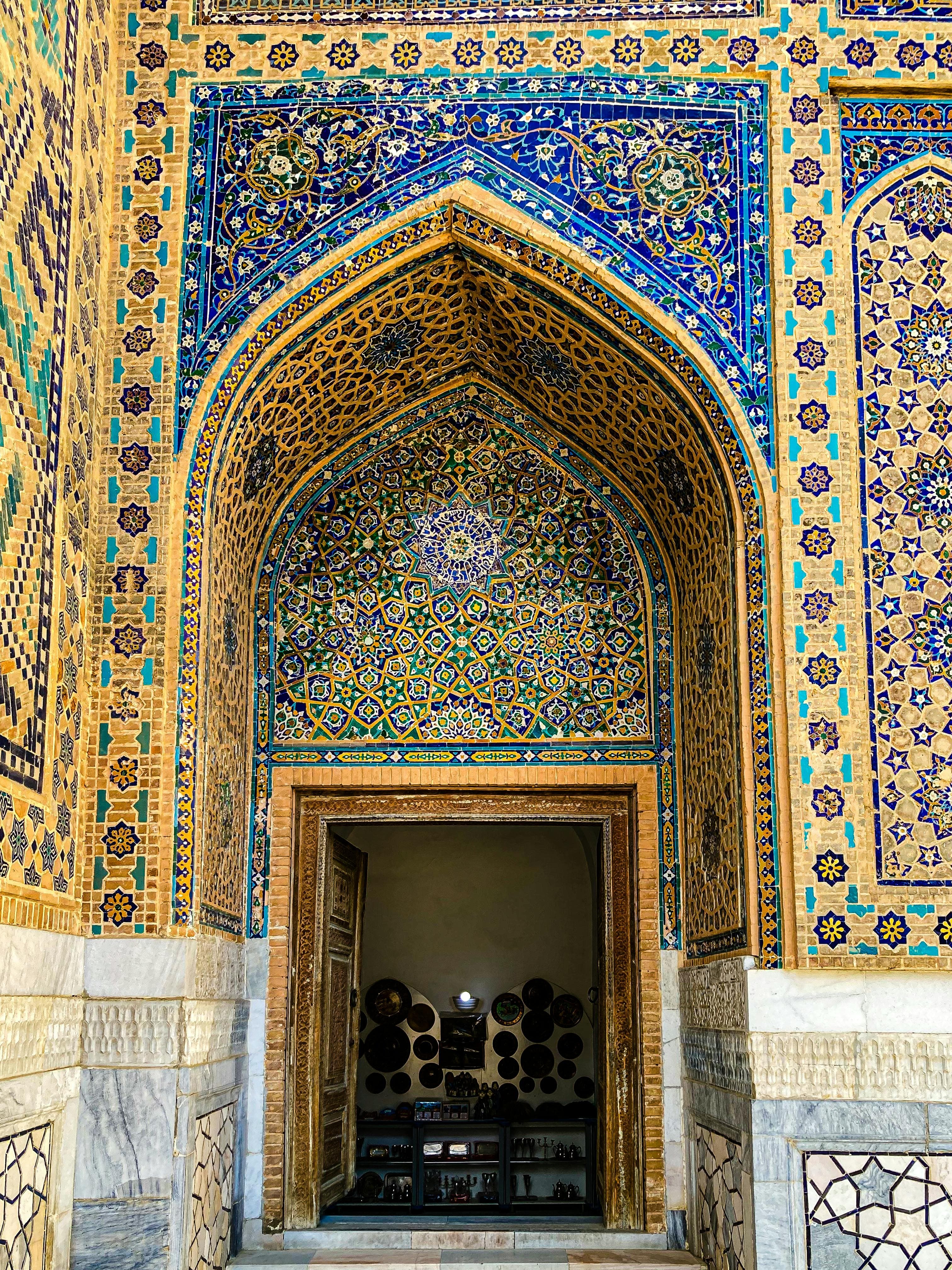
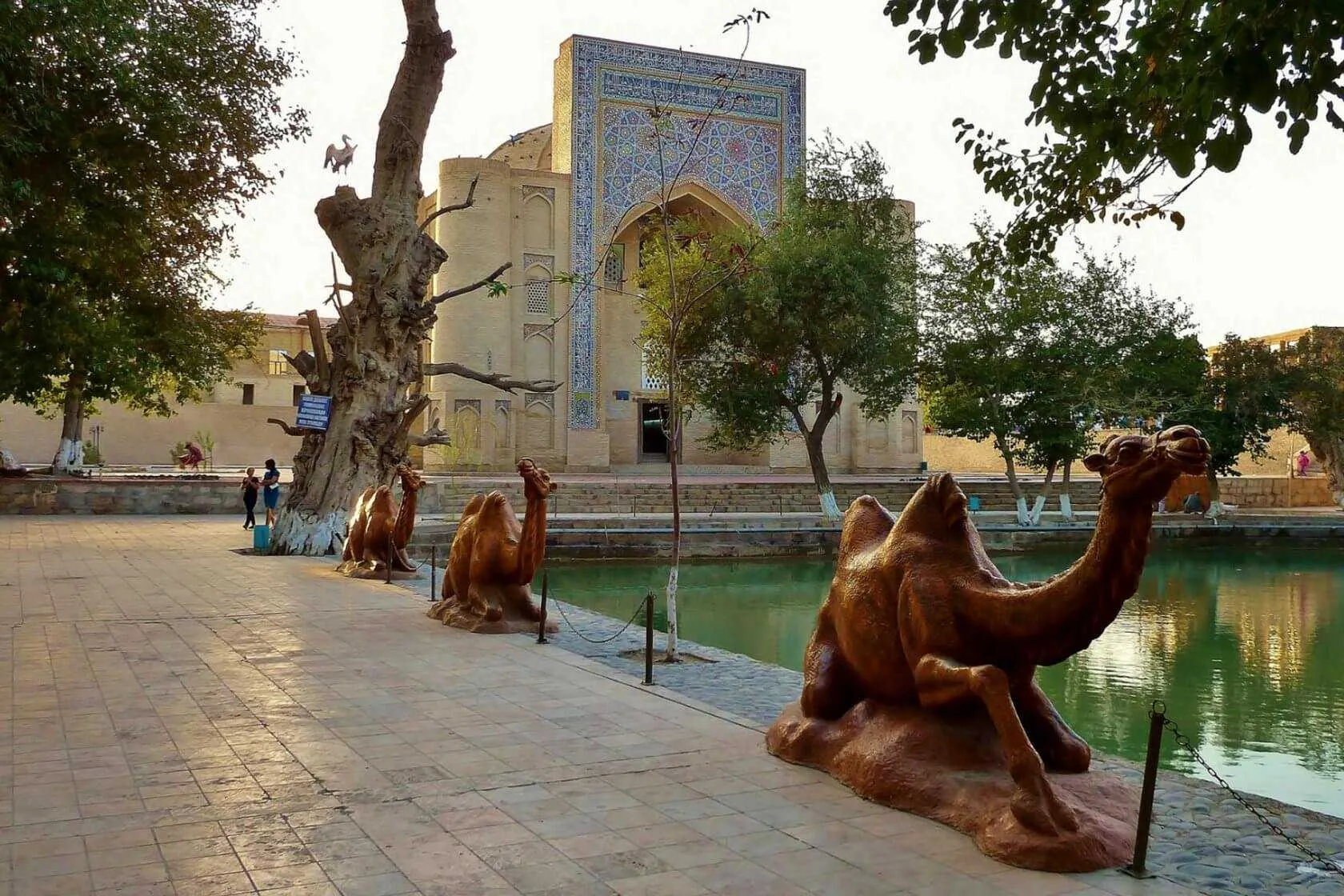
Lyabi-Hauz—literally “by the pool”—is where Bukhara slows its pulse and travelers forget the haste of the steppe. Framed by three masterpieces, the square is a living museum: the mighty Kukeldash Madrasa to the north (1568–69), the serene Nadir Divan-Begi Khanaka to the west (1620), and the Nadir Divan-Begi Madrasa to the east (1622) with its audacious peacocks and sun—rare zoomorphic motifs in Islamic art—spreading wings across a sapphire portal. The pool itself, dug in 1620 to water caravans, survived the citywide filling of hauzes in the 20th century. Today, ancient mulberries lean over jade water, teahouses set low tables, and the scent of plov drifts through the shade.
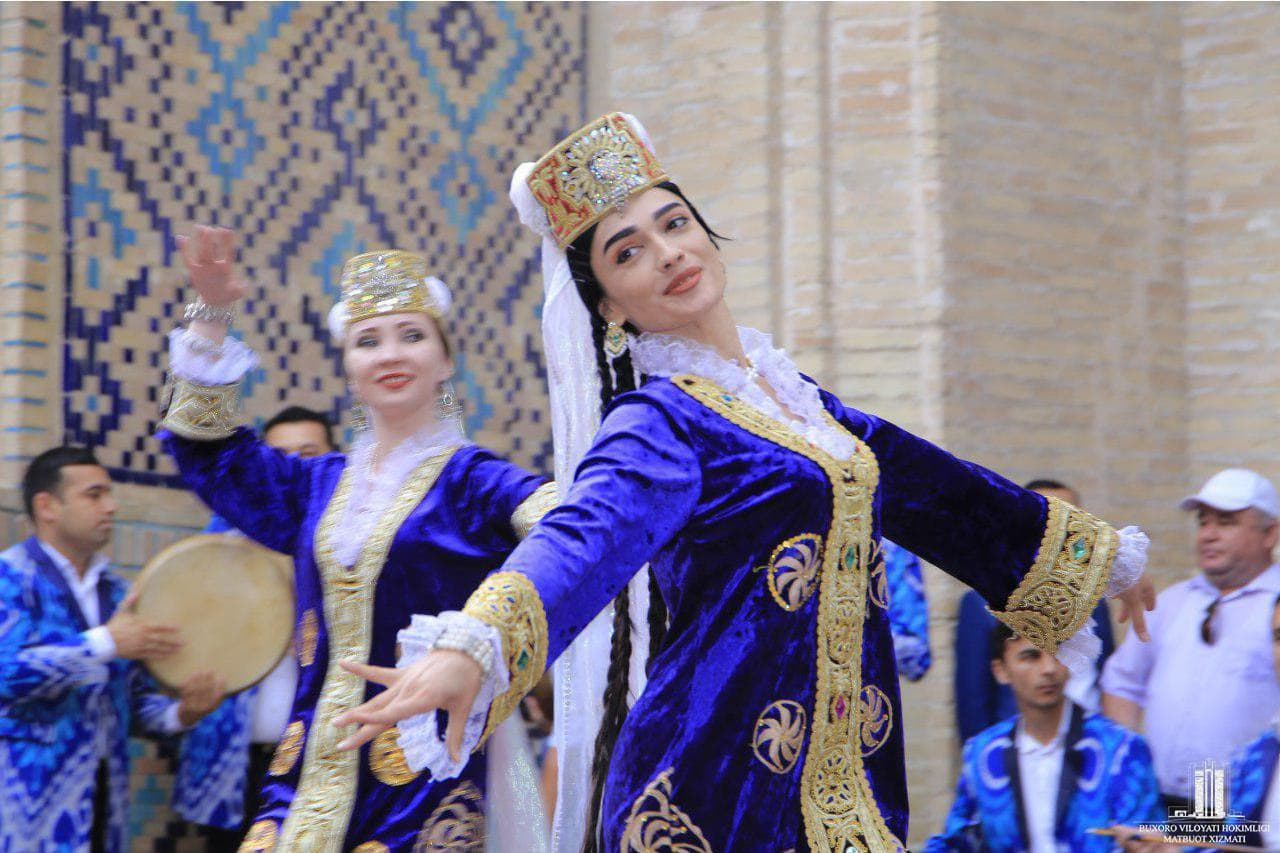
Listen for Sufi melodies at dusk, watch ripples mirror tilework, and greet bronze Nasreddin Hodja—Bukhara’s beloved trickster—still cracking silent jokes.
What to see
- Dawn tiles for the deepest blues
- Echoing arcades of Kukeldash
- Quiet corners of the khanaka for reflection
Practical tips
- Best seasons: April–May, September–October
- Dress modestly; bring cash for tea and crafts
- Golden hour for photos; linger after dark when lights turn the pool into liquid silk
Nearby, the Trading Domes and Magoki-Attori beckon through alleys perfumed with samsa and spices—follow your curiosity; you’ll always circle back to the water.