October 8, 2025 · 1 min read
Maidanak Observatory: Stargazing in Uzbekistan
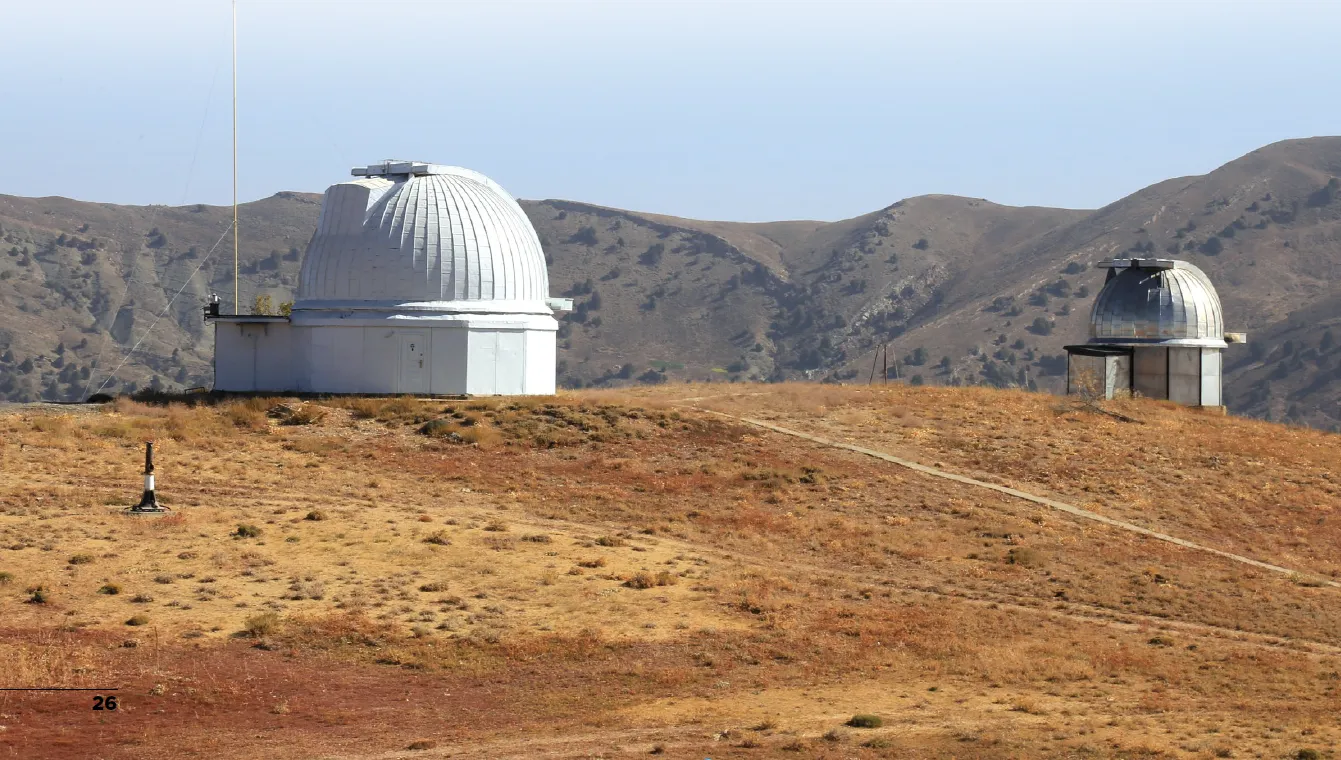
High on a lonely Uzbek peak, Maidanak Observatory feels like a balcony over the universe. The air is thin and steady, the horizon serrated with mountains, and when the sun slips away, the sky blooms into velvet—studded with stars so sharp they seem to ring in the cold.
Why it’s special
- High-altitude location with exceptionally stable, dry air.
- Over 200 crystal-clear nights a year for observation.
- A working scientific site linked to the legacy of Ulugh Beg’s astronomy.
What you can see
On moonless nights, the Milky Way spills from horizon to horizon. Through telescopes, Saturn’s rings appear like a silver diadem, Jupiter’s bands glow, and deep-sky objects—like the Andromeda Galaxy and the Orion Nebula—unfurl delicate structure. During summer, meteor showers trace silent, quicksilver arcs.
When to go
Late spring to early autumn offers the most reliable skies; winter brings piercing clarity and colder temperatures. Aim for new-moon phases to maximize contrast.
How to experience it
- Join a guided visit to combine professional insights with safe, respectful access to the site.
- Practice "red-light" etiquette to protect night vision.
- Bring binoculars; even modest optics reveal clusters and nebulae.
Practical tips
- Dress in layers—nights are chilly even in summer.
- Pack water, snacks, and a red-filter headlamp.
- Photographers: a fast wide-angle lens and sturdy tripod are your best friends.
- Respect the scientists: keep noise and light to a minimum.
For curated trips and logistics, explore trusted local operators such as Minzifa Travel. Here, under one of Central Asia’s purest skies, you don’t just look at the cosmos—you feel it leaning closer.