July 28, 2025 · 1 min read
Journey Through Uzbekistan’s Silk Road Cities: Samarkand, Bukhara & Khiva
Journey Through Uzbekistan’s Silk Road Cities
The Silk Road once linked the civilizations of East and West and its ancient caravan routes still echo through Uzbekistan. Today, travelers can wander through cities that flourished as crossroads of culture and commerce. This guide introduces Samarkand, Bukhara and Khiva – three UNESCO-listed gems whose mosques, madrasas and bazaars tell stories spanning millennia – and shows why a journey along Uzbekistan’s Silk Road belongs on every adventurer’s bucket list.
Samarkand: Crossroad of Cultures
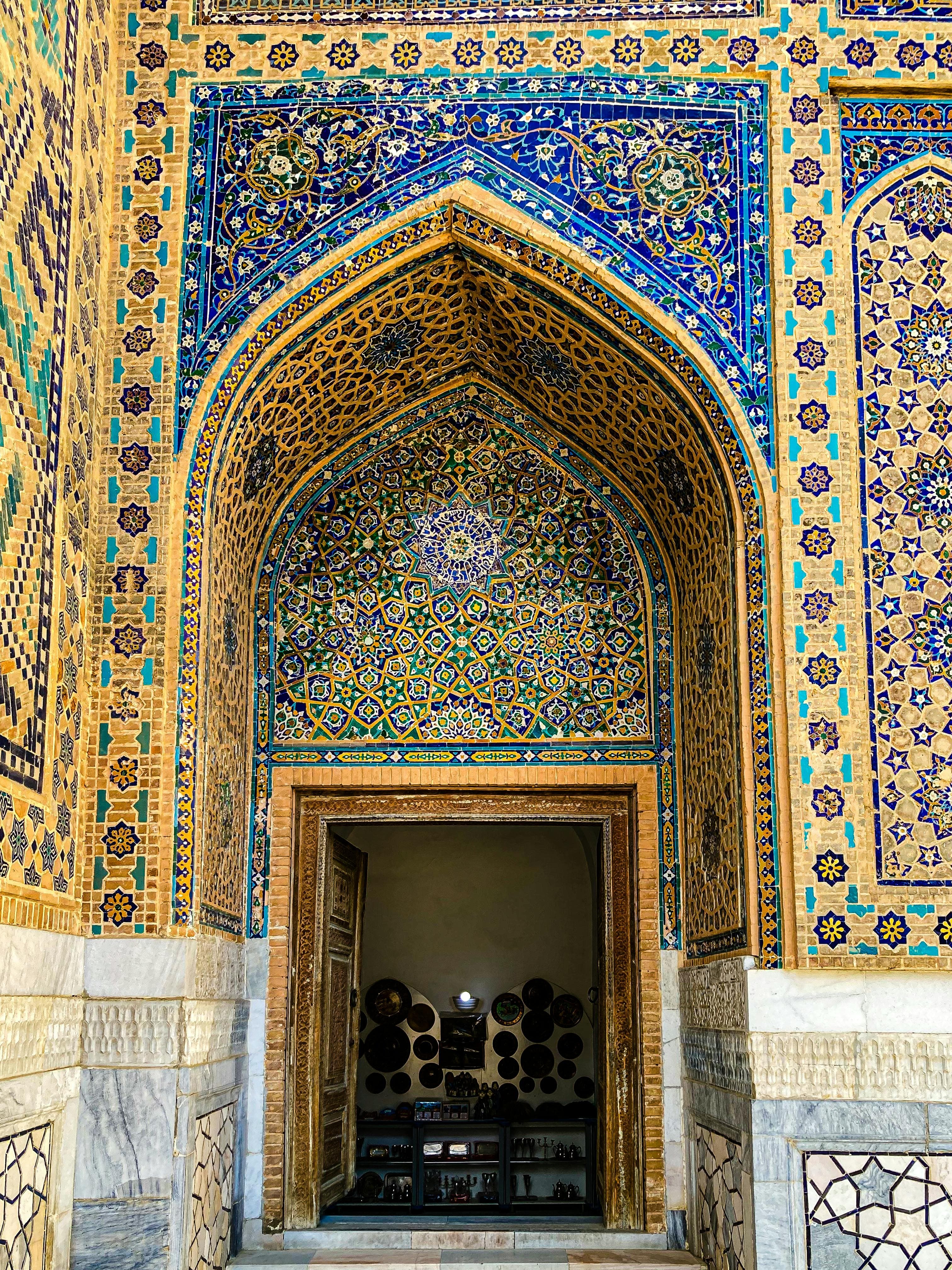
Few cities capture the spirit of the Silk Road like Samarkand. Evidence of settlement near this oasis on the Zerafshan River dates back to around 1500 BC, and the city itself was founded as Afrasiab in the 7th century BC. Over the centuries Samarkand became a melting pot of cultures, but its greatest transformation came under the Timurid dynasty in the 14th–15th centuries, when artisans developed Islamic architectural ensembles that influenced the entire region.
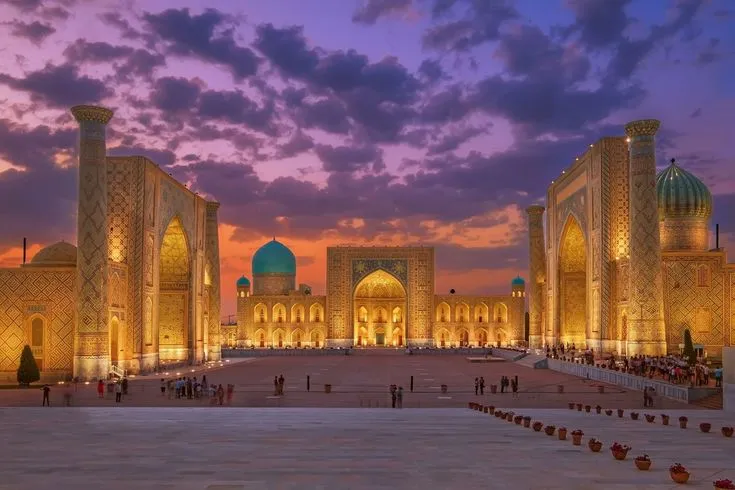
Today’s visitors can explore Samarkand’s three historic zones: the archaeological site of Afrosiab in the north, medieval Timurid monuments in the south, and Russian-built quarters from the 19th–20th centuries. Highlights include Registan Square, an ensemble of three blue-tiled madrasas whose domes and minarets define the city’s skyline; the Bibi-Khanum Mosque and Mausoleum; the Shah-i-Zinda necropolis; and the Gur-Emir and Rukhabad ensembles. On our 12-day Ancient Cities of the Silk Road tour you’ll stand in awe of Registan Square’s grandeur and trace the footsteps of traders and scholars in Samarkand’s labyrinthine lanes.
Bukhara: A Living Museum of Islamic Architecture
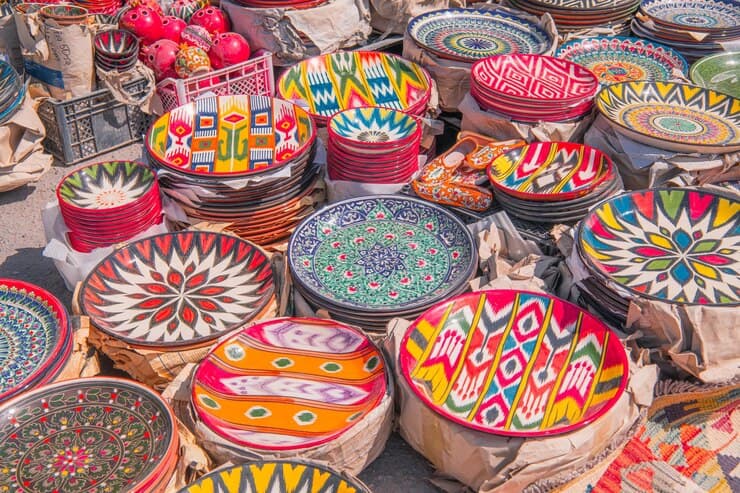
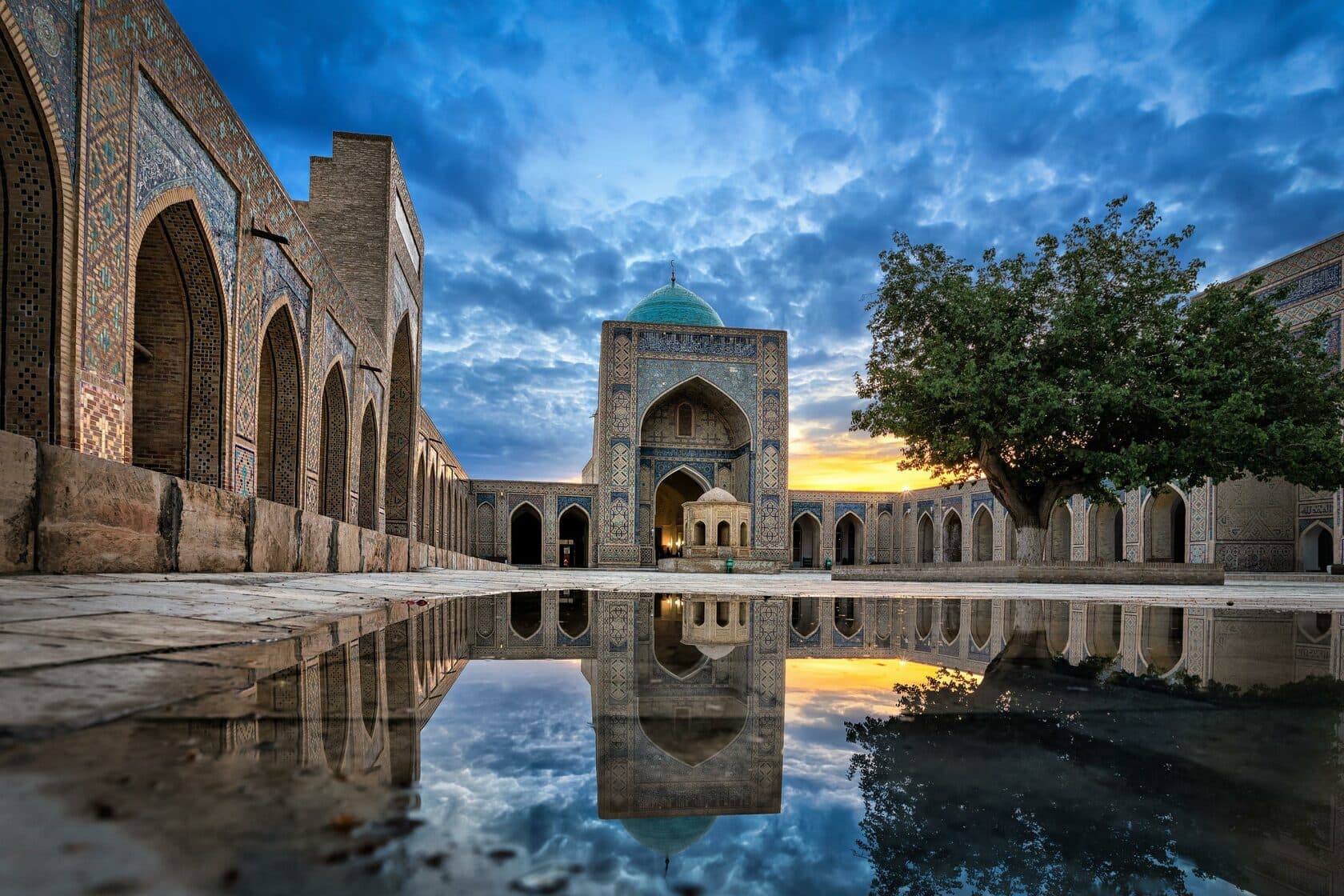
Located about 225 km west of Samarkand, Bukhara has been a major Silk Road trading centre since at least the 1st century CE. The city’s historic centre – designated a UNESCO World Heritage site in 1993 – still retains much of its medieval fabric. Mosques, madrasas, sun-baked houses and remnants of covered bazaars evoke life in a prosperous caravan town. Among Bukhara’s masterpieces are the ninth-century Ismāʿīl Sāmānī Mausoleum; the soaring Kalyan Minaret and adjacent mosque; and a series of madrasas built between the 15th and 17th centuries. Overlooking it all is the Ark fortress, the city’s oldest structure. Strolling Bukhara’s maze of narrow streets, you’ll encounter artisans hammering copper, embroiderers stitching gold thread and vendors selling fragrant spices. Our Silk Road itinerary dedicates several days to Bukhara so you can appreciate its mosques at dawn, barter in centuries-old bazaars and experience local hospitality in traditional guesthouses.
Khiva: Itchan Kala’s Timeless Citadel
Further west lies Khiva, an oasis city famed for its fortified inner town, Itchan Kala. Khiva was a key crossroad on the Silk Road and a centre of education, science and culture for centuries. Itchan Kala – encircled by 10-metre-high mud-brick walls – is a UNESCO World Heritage site because its monuments exemplify the evolution of Central Asian Islamic architecture between the 14th and 19th centuries.
Within the citadel you’ll find 51 monumental buildings and hundreds of adobe houses. The Djuma Mosque, with its covered courtyard and 212 carved wooden columns, offers a cool refuge in the midday sun. Nearby, the turquoise-tiled Kalta Minor Minaret stands unfinished yet imposing, hinting at Khiva’s ambitious past. Staying inside the walls allows you to watch sunset from the ramparts, dine in madrasa courtyards and explore dimly lit alleys long after day-trippers have departed.
Taste the Flavours of the Silk Road
No journey through Uzbekistan is complete without sampling its hearty cuisine. Uzbek food is celebrated for its simplicity and robust flavours: lamb, beef, rice, wheat, garlic and onions form the backbone of many dishes, while spices such as cumin, fennel, basil and coriander add depth. The most iconic meal is plov – a rice dish cooked with chunks of lamb, carrots, onions and sometimes chickpeas or dried fruit. Every region has its own version; in Samarkand the ingredients are layered and cooked with lighter oil for a delicate texture. Giant cauldrons called kazan simmer away in city centres, feeding entire neighbourhoods. Another favourite is shashlik, skewered meat grilled over coals. Traditionally made with lamb or goat, shashlik now appears in variations with beef, chicken or even quail. The meat is often marinated in vinegar and spices like cumin for extra flavour. On our Silk Road tour you’ll feast on plov prepared in local homes, savour shashlik in bustling bazaars and learn how artisans craft delicate lagman noodles and flaky somsa pastries.
When to Visit & Practical Tips
Uzbekistan’s continental climate brings scorching summers and cold winters. Temperatures in June–August often exceed 40 °C, while December–February can bring snow and bitter cold. The most comfortable seasons are spring (April–June) and autumn (September–October), when days are mild and tourist numbers moderate. If you do travel in high summer, plan sightseeing in the early morning or evening to avoid the heat. Dress modestly: while Uzbekistan is a secular country, locals tend to dress conservatively and you’ll feel more comfortable in clothing that covers shoulders and knees. Bring cash (ATMs are limited outside major cities) and consider learning a few basic phrases in Uzbek or Russian to enrich your interactions with locals.
Start Your Silk Road Adventure
The ancient cities of Samarkand, Bukhara and Khiva offer an unrivalled glimpse into the history, architecture and culture of Central Asia. Wandering their UNESCO-listed streets you’ll see how traders, scholars and artisans shaped the region and left behind masterpieces of Islamic art. To experience these treasures with expert guidance, join our 12-day Ancient Cities of the Silk Road tour. This carefully crafted itinerary takes you from Tashkent through Samarkand, Bukhara and Khiva, with time for hands-on craft workshops, culinary experiences and encounters with warm-hearted locals.
Embark on a journey where every tiled dome and winding alley tells a story, and let Uzbekistan’s Silk Road cities ignite your imagination.