August 22, 2025 · 1 min read
Is Uzbekistan Friendly for American Tourists Today
Short answer
Yes. Uzbekistan is friendly to American tourists. Cities are generally safe, people are welcoming, and travel services are improving fast. With some basic prep on visas, money, and local customs, most trips are smooth and memorable.
For deeper trip ideas and Silk Road highlights, check this guide: Uzbekistan Silk Road Highlights Guide.
Visas and entry
- U.S. passport holders can apply for an e‑visa online (simple process). Policies can change, so confirm on official sources before you book.
- Your passport should have at least 6 months' validity and empty pages.
- Most hotels handle tourist registration automatically. Keep the slips/confirmations. If you stay in apartments or homestays, ask the host about current registration rules.
Safety and hospitality
- Violent crime against visitors is rare. Use normal big‑city common sense: watch your bag in bazaars and on buses, use licensed taxis or ride‑hailing apps, and avoid poorly lit areas at night.
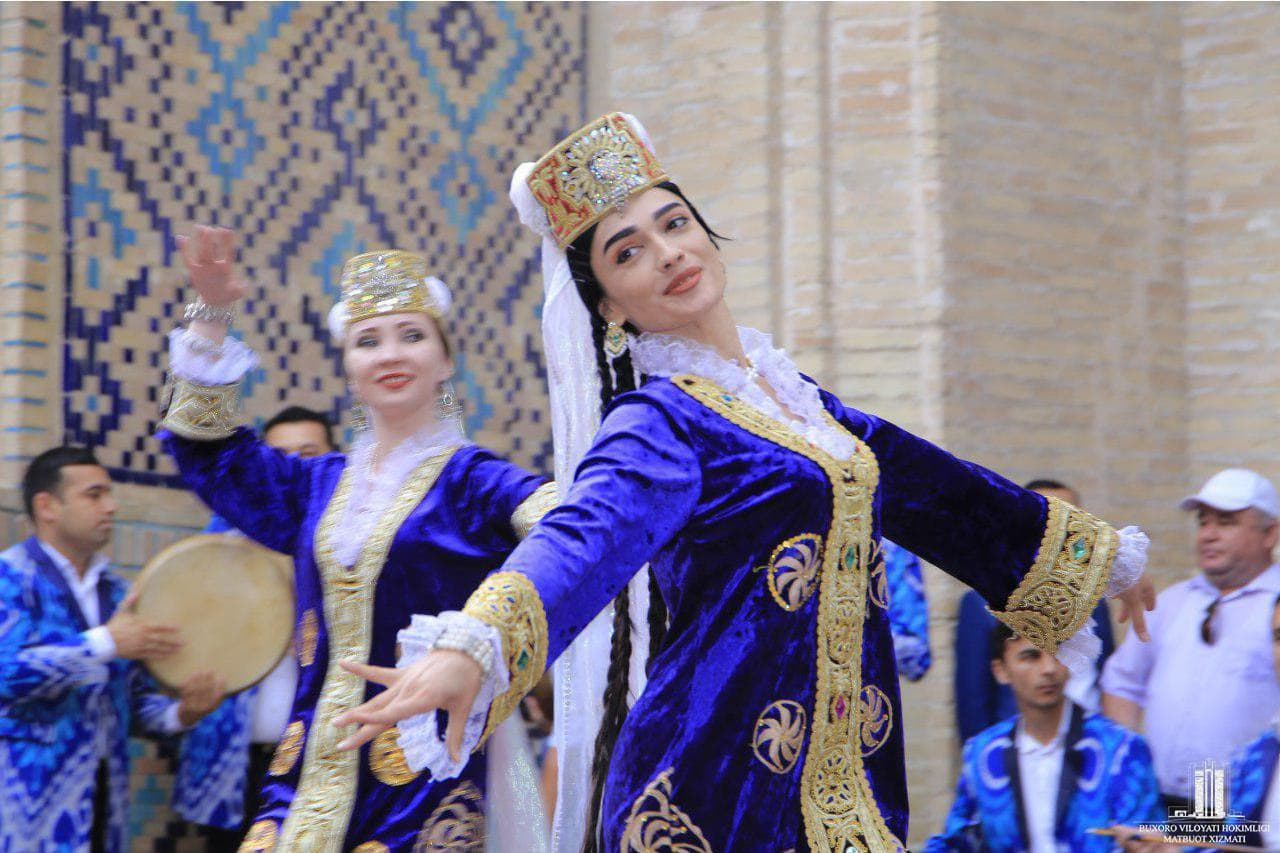
- People are warm and curious. A friendly "Assalomu alaykum" goes a long way. Expect tea offers, photo requests, and helpful directions.
- Tap water varies by region; stick to bottled or boiled water.
Money and costs
- Currency: Uzbek so'm (UZS).
- ATMs are common in major cities; cash is still handy in markets and small cafés.
- Cards work at mid‑range/upper hotels and many restaurants. Carry some cash outside big centers.
- Tipping: round up small bills; 5–10% in sit‑down restaurants is fine.
Getting around
- Trains: The Afrosiyob high‑speed trains link Tashkent, Samarkand, and Bukhara. Book ahead, especially in spring and fall.
- Khiva: reachable by rail or a short flight via Urgench; road transfers are common.
- Domestic flights connect main hubs if you're tight on time.
- Taxis/ride‑hailing: use official taxis or reputable apps; agree on the fare if you hail on the street.
Language
- Uzbek is the state language; Russian is widely used. English is growing in tourism, especially with younger people and in hotels.
- Learn a few basics: "rahmat" (thank you), "salom" (hello).
Culture and etiquette
- Dress modestly at religious sites; women may cover hair in mosques (usually optional, but respectful).
- Ask before photographing people, especially in markets and at shrines.
- Handshakes are common among men; greetings with women vary—follow their lead.
- During Ramadan, be discreet with food and drink in public daytime areas.
When to go
- Best seasons: April–May and September–October (mild weather, clear skies).
- Summer is hot and dry; plan early starts and siestas.
- Winter is quiet, good for museums and lower prices.
Can Americans travel independently?
Absolutely. Infrastructure is improving, signage is better, and major sights are easy to navigate. If you prefer less planning, small‑group tours save time on logistics.
For route ideas, see the practical tips in this resource: Silk Road Highlights Guide for Uzbekistan.
Classic 7–10 day outline
- Day 1–2: Tashkent (Old City, Chorsu Bazaar, metro art)
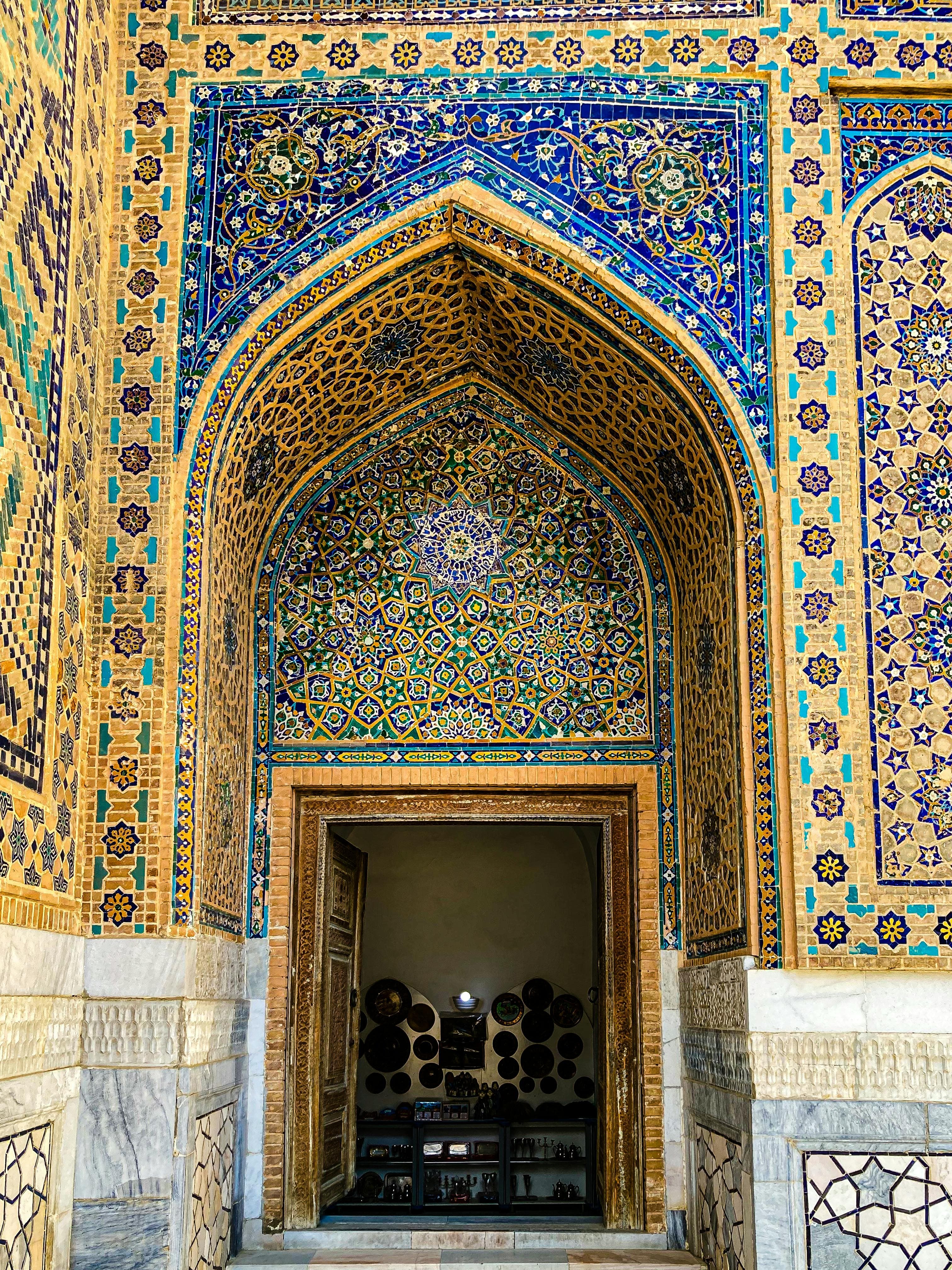
- Day 3–4: Samarkand (Registan, Shah‑i‑Zinda, Gur‑e‑Amir)
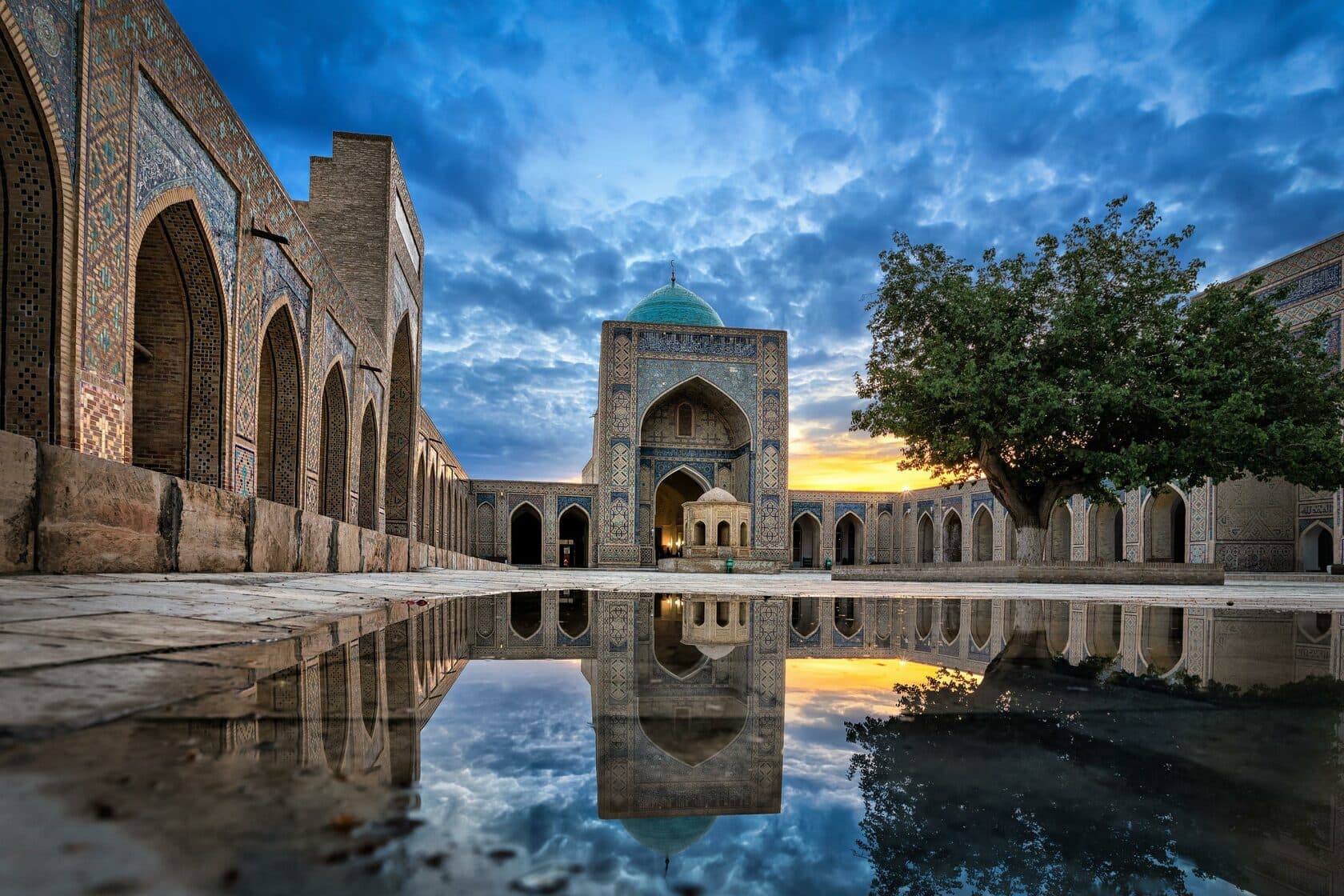
- Day 5–6: Bukhara (Lyabi‑Hauz, Ark, Poi‑Kalyan)
- Day 7–8: Khiva (Ichan‑Kala walls, minarets)
- Extra days: Fergana Valley (crafts), Nukus & Aral Sea area (museums and nature)
Practical checklist for Americans
- e‑Visa approval printout (or digital copy) and travel insurance
- Hotel confirmations (keep registration slips)
- ATM card plus some USD cash for exchange
- Modest layers, sun hat, and comfortable shoes
- Local SIM or eSIM for maps and translation
Bottom line
Is Uzbekistan friendly to American tourists? Yes—warm people, rich history, and reliable transport make it a rewarding, safe trip. Prepare your e‑visa, book trains in advance, respect local norms, and you'll have an easy, welcoming experience across the Silk Road cities.