September 24, 2025 · 1 min read
Elder Nomadic Culture of Central Asia: A Guide
What "elder nomadic culture" means
Elder nomadic culture of Central Asia is a living system shaped by the steppe, mountains, and seasonal movement. Across Kazakh, Kyrgyz, and Turkmen traditions (and in parts of Uzbekistan and Tajikistan), elders act as custodians of memory. They bless, mediate, teach skills, and pass on stories. Respect is not abstract—it appears in everyday gestures: serving tea to seniors first, seeking advice before big decisions, and asking for a short blessing (bata) before journeys.
Places and seasons
- The steppe and semi-deserts of Kazakhstan and Turkmenistan
- The Tien Shan and Pamir foothills in Kyrgyzstan and Tajikistan
- Summer pastures (jailoo) and winter quarters (kystau) guiding movement
Seasonal herding shaped social rhythm: lambing in spring, felt-making in early summer, autumn drives, winter repair of tack and yurts.
Homes and crafts
- Yurt (boz üi/kiyiz üi): portable felt home with a crown (tunduk/shanyrak) symbolizing family continuity
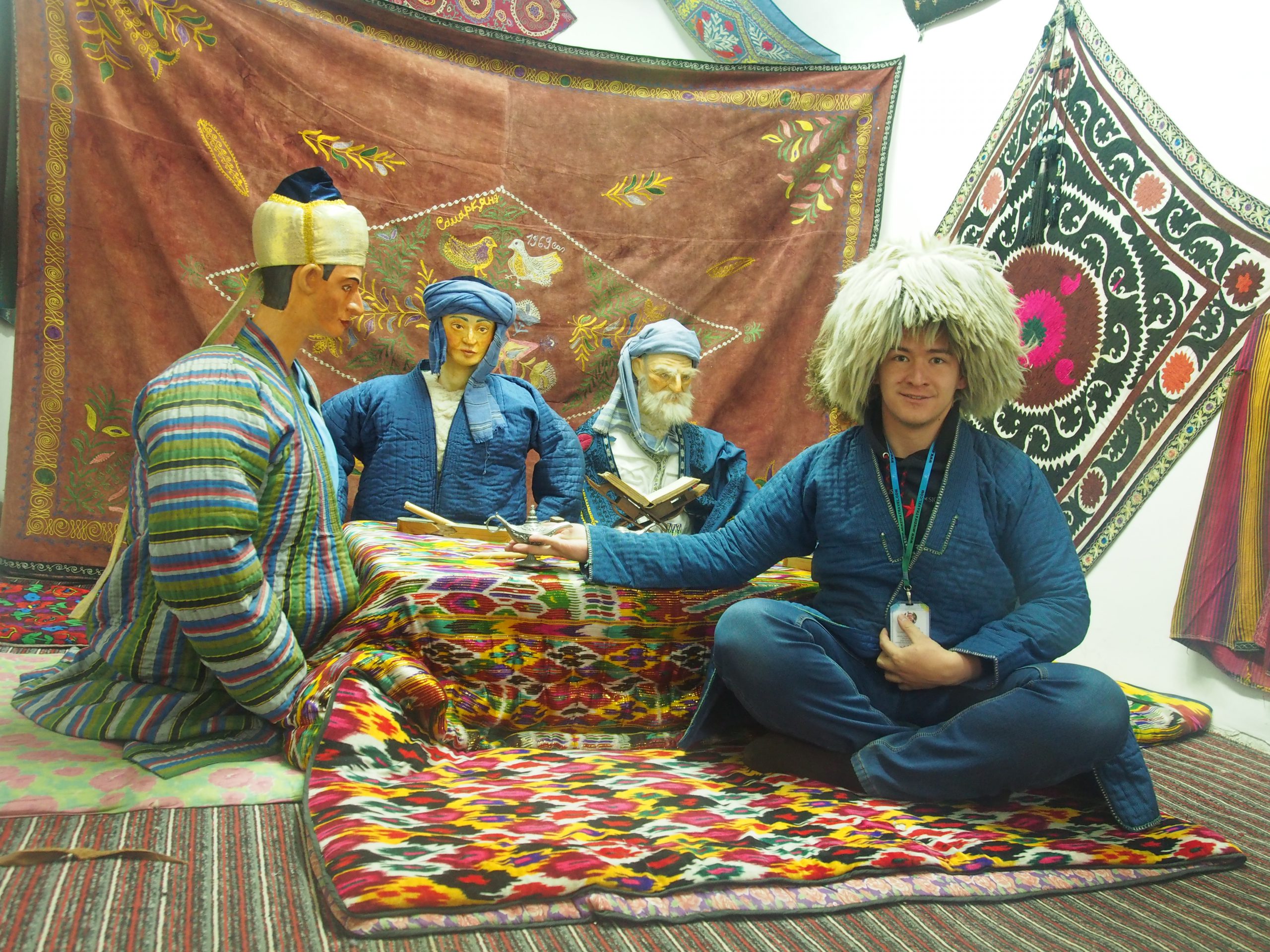
- Felt work: shyrdak and ala-kiyiz rugs, valued for patterns that signal lineage and region
- Horse tack and saddles: practical design for long rides; women's embroidery, tuskiiz wall hangings
- Eagle hunting (berkutchi) in parts of Eastern Kazakhstan: a craft taught through years of mentorship
Music, epics, and language
Elders keep epics and songs alive: Manas in Kyrgyz tradition, Dede Korkut among Oghuz-Turkmen roots, akyns and jyrchy troubadours who improvise. Instruments matter as much as the words: the two‑string dombra (Kazakh), komuz (Kyrgyz), and dutar (Turkmen). Oral performance is a way to teach ethics, kinship, and landscape lore.
Food and hospitality
Hospitality is central. Guests are seated by seniority; tea keeps conversation flowing. Staples include:
- Fermented mare's milk (kumis) and camel milk (shubat)
- Dried cheese balls (kurut)
- Noodles with boiled meat (beshbarmak) shared from a large platter
As a visitor, accept at least a sip and a bite; refusing everything can be read as dismissive.
Rituals and communal life
- Life cycle: cradle celebrations (besik toi), weddings with bride gifts (kalym) negotiated by families, and memorial feasts
- Council of elders (aksakal): mediates disputes, allocates pasture rights, keeps genealogies
- Spring new year (Nauryz): renewal, planting, feasts, sports
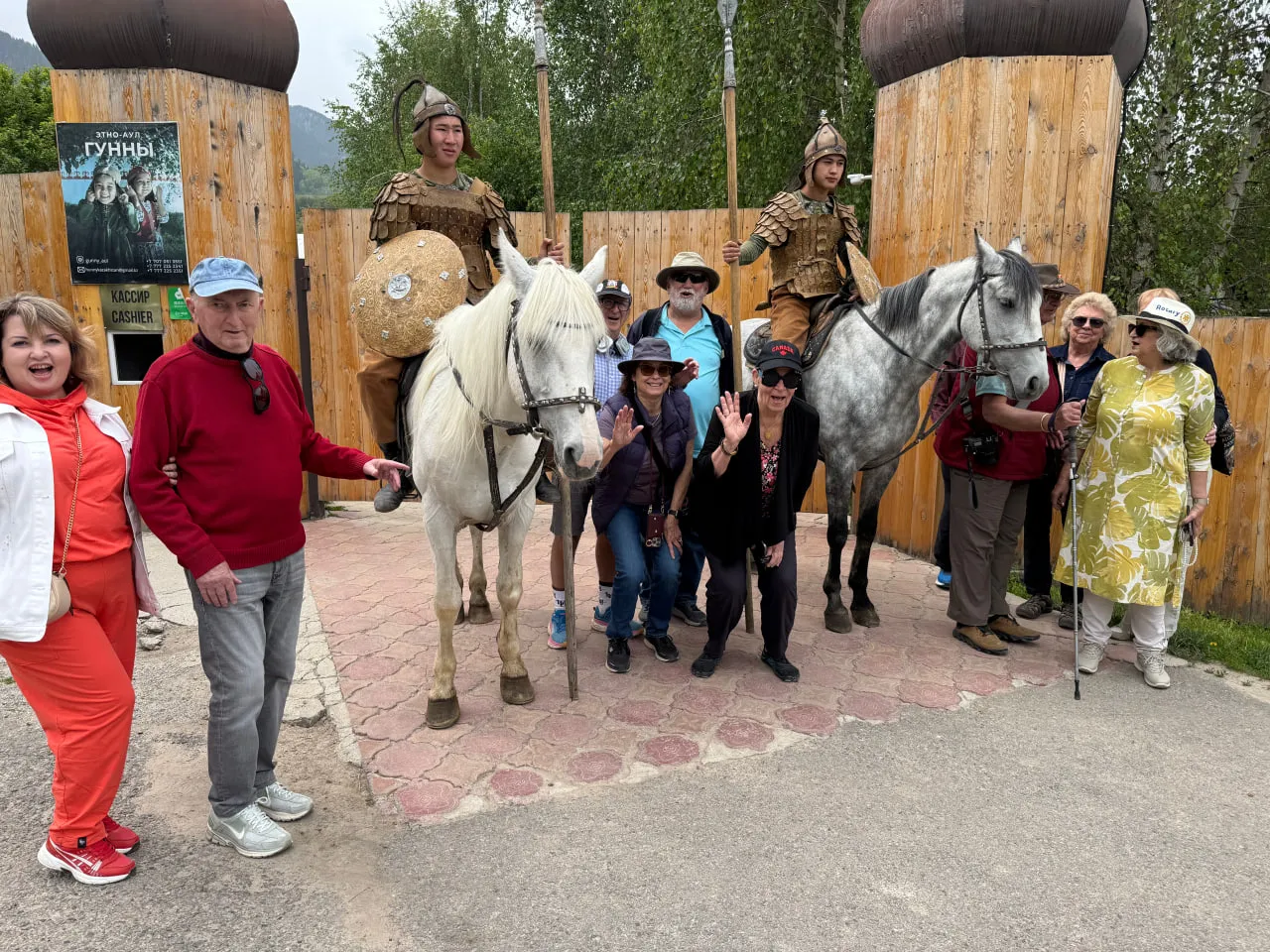
Traditional sports animate festivals: kokpar/buzkashi (goat-hide horseback game), archery, and horse wrestling (er enish). These events highlight horsemanship—an elder might still mount up and show the correct seat.
Modern life and continuity
Many families are settled today, yet nomadic heritage shapes cities and villages: yurt camps appear each summer, felt art thrives, and youth learn riding at festivals. Heritage parks and community-run guest stays let travelers meet artisans rather than just watch staged shows.
How to experience it respectfully
- Ask before photographing people, yurts, and sacred sites
- Step over, not on, a yurt threshold; don't lean on the central pillars
- Offer and receive items with your right hand
- Dress modestly in villages; bring a small gift (tea, sweets)
- Best seasons: late spring to early autumn; Nauryz falls around March 21
Planning your route
If you want one itinerary that connects the steppe, mountains, markets, and villages, consider the Five Stans route. A curated trip helps you meet elders, visit summer pastures, and learn crafts without rushing.
- Explore the region on the Five Stans tour by Minzifa Travel and weave in yurt stays and festivals.
- Compare routes, timing, and guides on the Central Asia Five Stans Tour page—look for dates that overlap with Nauryz or summer jailoo.
- For balanced culture and nature days, plan with Minzifa Travel's Five Stans tour and ask for family-run hosts.
Quick packing tips
- Light layers, windproof jacket, scarf for sun and dust
- Cash for village markets; mobile signal can be patchy
- Small gifts; power bank; sturdy shoes for uneven ground
Elder nomadic culture is not a museum piece—it's a people-centered way of living with land and season. Travel slowly, listen more than you speak, and you'll be invited into stories that maps can't show.