October 4, 2025 · 1 min read
Is Central Asia Persian or something else?
Short answer
Is Central Asia Persian? Not exactly. Central Asia is a mosaic shaped by Persianate cities, Turkic nomad traditions, and modern layers from Russia and China. Persian (Farsi/Dari/Tajik) matters a lot—especially in Tajikistan and historic city life—but most Central Asians today are Turkic-speaking. Think "Persian influence," not "entirely Persian."
- Key point: Persian is central to urban culture and literature, especially around Samarkand, Bukhara, and the Pamirs.
- Reality today: Turkic languages dominate (Kazakh, Kyrgyz, Uzbek, Turkmen). Russian is widely understood in many places.
- Best label: "Persianate Central Asia" rather than "Persian Central Asia."
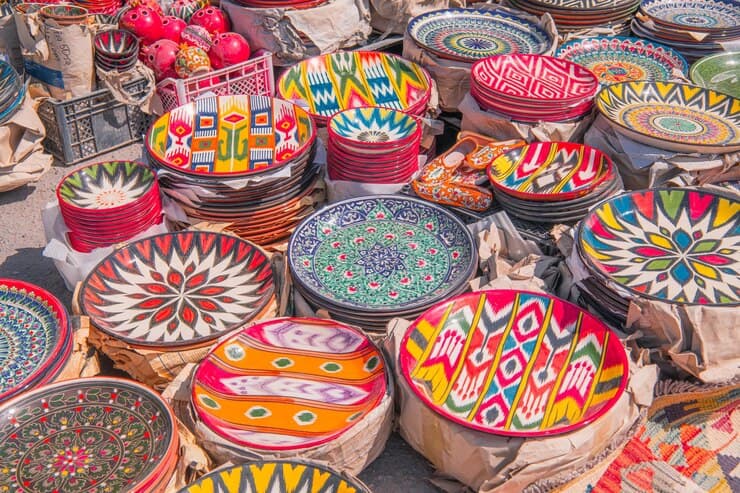
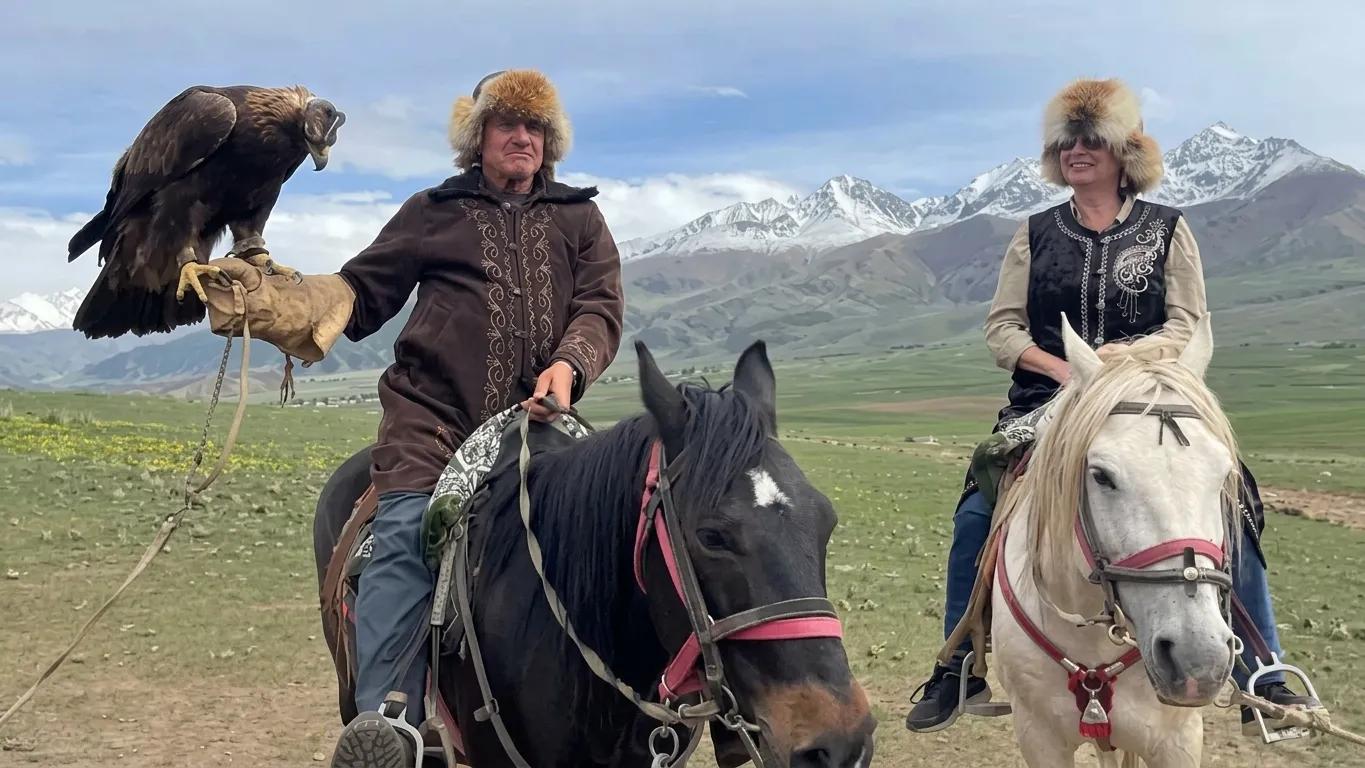
For a human, on-the-ground look at nomads, cities, and traditions, explore Culture of Central Asia: Nomads, Cities, Traditions.
What does "Persian" mean here?
"Persian" can refer to:
- Language family: Persian (Farsi in Iran), Dari (Afghanistan), Tajik (Tajikistan). These are mutually intelligible varieties.
- Culture: Persianate court culture, poetry (Rudaki, Rumi, Jami), scholarship, and urban life across the Silk Road.
- Ethnicity/state: Iranians (not Central Asian) vs. Tajiks (a Persian-speaking Central Asian people).
Country-by-country snapshot
- Tajikistan: Persian-speaking (Tajik) is the state language, written in Cyrillic. Identity is Tajik, not "Persian," but the language is a Persian variety.
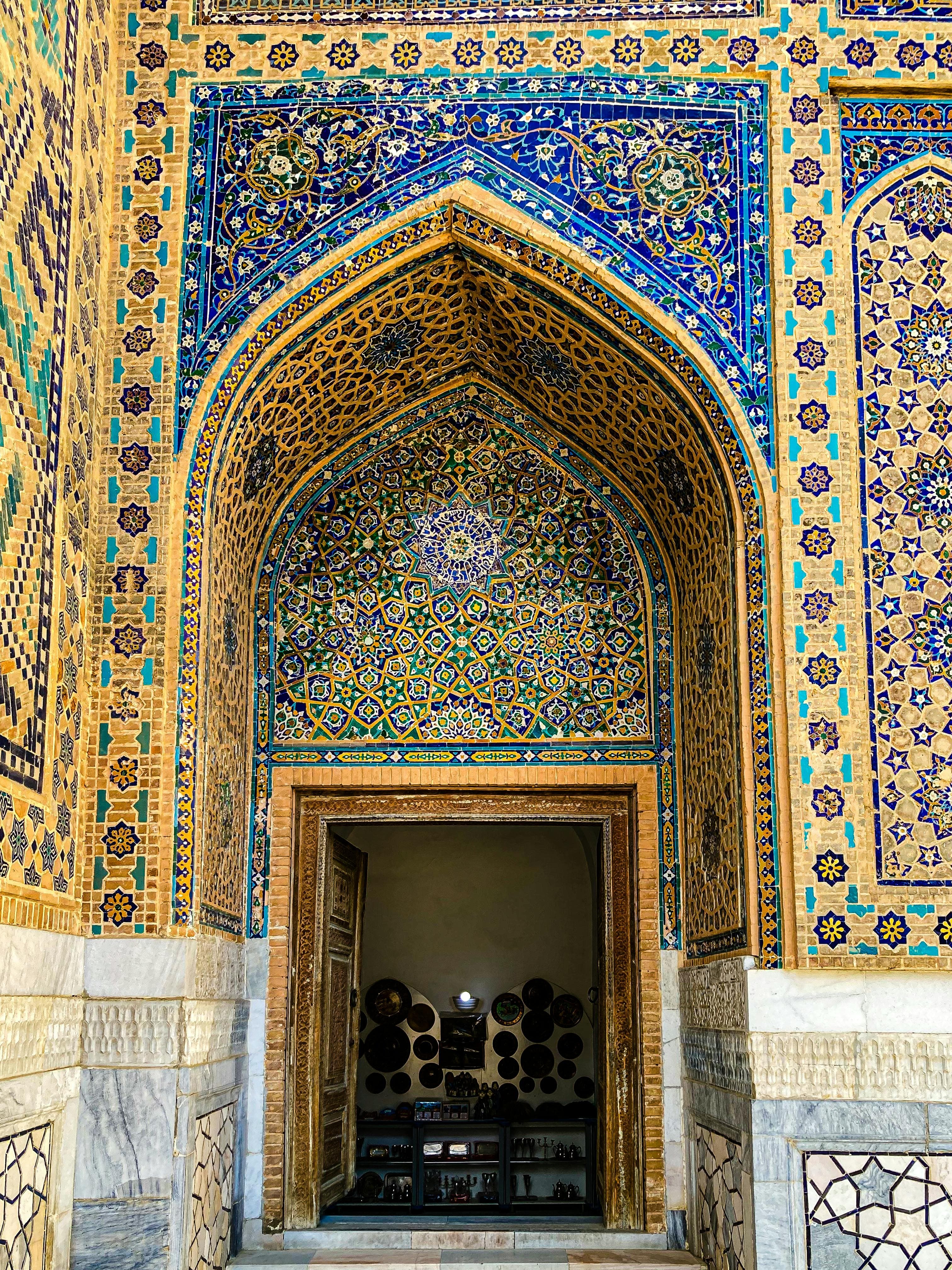
- Uzbekistan: Majority Uzbek (Turkic). Historic cities Samarkand and Bukhara had large Tajik (Persian-speaking) communities; Persianate heritage is strong in architecture and literature.
- Turkmenistan: Turkmen (Turkic) majority; Persianate cultural echoes in urban arts and Sufi traditions.
- Kyrgyzstan: Kyrgyz (Turkic) majority; nomadic heritage; Persianate influence mainly through regional trade and religion.
- Kazakhstan: Kazakh (Turkic) majority; steppe culture; Persianate imprint is lighter in the far north, stronger along historic trade routes in the south.
- Afghanistan (often included in broader Central Asia): Dari (Persian) and Pashto are official; Persianate culture is foundational to cities like Herat and Mazar-i-Sharif.
- Xinjiang (western China, sometimes discussed with Central Asia): Mostly Turkic (Uyghur, Kazakh, Kyrgyz) with small Tajik (Pamiri) communities.
History in brief
- Antiquity: Sogdians—Iranic merchants of the Silk Road—spread trade and cosmopolitan urban culture.
- Persian empires: Achaemenid and later Persianate courts influenced governance, art, and language.
- Turkic migrations: Turkic languages and steppe polities reshaped demographics from the early medieval era onward.
- Timurid and post-Timurid: Persian as a literary lingua franca alongside Turkic (e.g., Chagatai). Cities flourished as Persianate cultural centers.
- Russian Empire/USSR: Added Russian as a lingua franca; script shifts (Arabic > Latin > Cyrillic/Latin) changed how Persian and Turkic languages were written.
Language and identity today
- Dominant languages: Kazakh, Kyrgyz, Uzbek, Turkmen (Turkic); Tajik (Persian).
- Urban legacy: Persian/Tajik historically anchored city life, poetry, and scholarship; many urban toponyms and monuments reflect that.
- Religion: Mostly Sunni Islam with strong Sufi traditions (e.g., Naqshbandi), often transmitted through Persianate literature.
So, is Central Asia Persian?
- Historically Persianate? Strongly—especially in cities, literature, and religious scholarship.
- Ethnically and linguistically Persian today? Only in Tajikistan (and Persian/Dari parts of Afghanistan). Elsewhere, most people are Turkic-speaking.
- Best framing: Central Asia is a blend—Persianate cities plus Turkic steppe heritage—layered with Russian and Chinese influences.
If you want an accessible cultural overview, start with this guide on nomads, cities, and traditions.
Quick FAQ
- Is Tajik the same as Persian? Tajik is a variety of Persian; speakers can generally understand Farsi and Dari with ease.
- Are Uzbeks Persian? No. Uzbeks are a Turkic people. Many historical urban elites used Persian for literature and administration, but everyday speech is Uzbek.
- Are Samarkand and Bukhara Persian? Historically bilingual hubs with deep Persianate culture; today largely Uzbek-speaking with notable Tajik communities.
- Is Afghanistan part of Central Asia? Some definitions include it; culturally and historically it's tightly connected to Central Asia and the Persianate world.
- Why so much Russian? Imperial and Soviet periods made Russian a common second language across the region.
Planning a trip
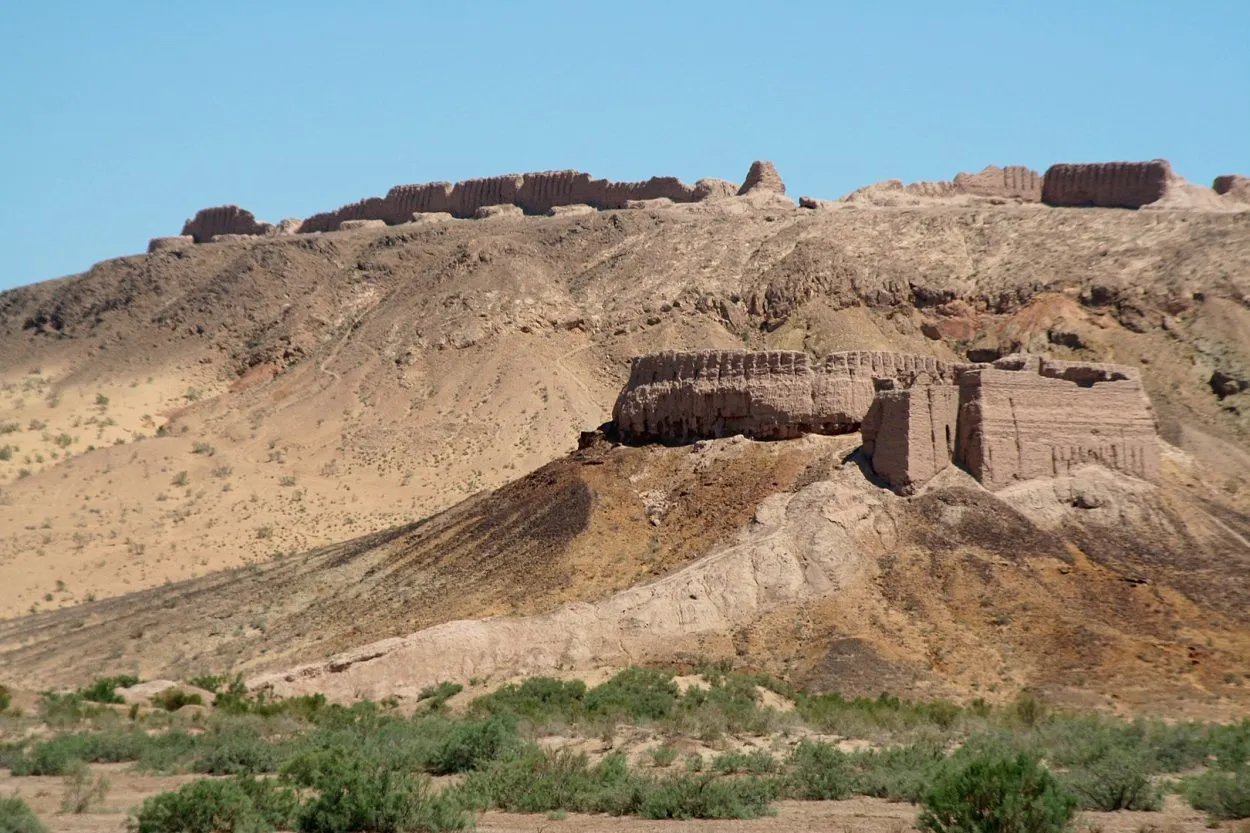
To see Persianate cities and Turkic steppe traditions side by side, consider routes through Samarkand, Bukhara, Khiva, the Pamirs, Almaty, Bishkek, and Ashgabat. For curated insights and cultural context, check out Culture of Central Asia: Nomads, Cities, Traditions before you go.