October 2, 2025 · 1 min read
Culture of Central Asia: Nomads, Cities, Traditions
Central Asian culture is a living blend of steppe nomadism and Silk Road city life. It spans five countries — Kazakhstan, Kyrgyzstan, Uzbekistan, Turkmenistan, and Tajikistan — and mixes Turkic and Persian roots, Islamic traditions, and a visible Soviet legacy. You feel it in warm hospitality, strong family ties, respect for elders, and the rhythm of trade, crafts, music, and food.
For a deeper dive into the nomadic backbone of the region, explore Elder Nomadic Culture of Central Asia — a guide.
What defines the culture
- Nomadic heritage: Yurts (felt tents), herding, seasonal moves to mountain pastures (jailoo), and skills like felt-making and horsemanship.
- Silk Road cities: Markets (bazaars), madrasas and mosques, caravanserais, and crafts such as ceramics, woodwork, metalwork, and suzani embroidery.
- Hospitality and community: Bread and tea first, then conversation. Guests are honored. Respect for elders shapes family and public life.
- Religion and beliefs: Mostly Sunni Islam, with local customs and pre-Islamic echoes in festivals and folklore.
- Arts and music: Epics and storytelling; instruments like the dombra and komuz; throat singing in some areas; expressive dance and epic poetry.
Everyday culture in practice
- Food: Plov (pilaf), laghman noodles, kebabs, manty dumplings, naan-like breads, and dairy from sheep, goats, and horses (including fermented mare's milk in some areas). Tea is a social anchor.
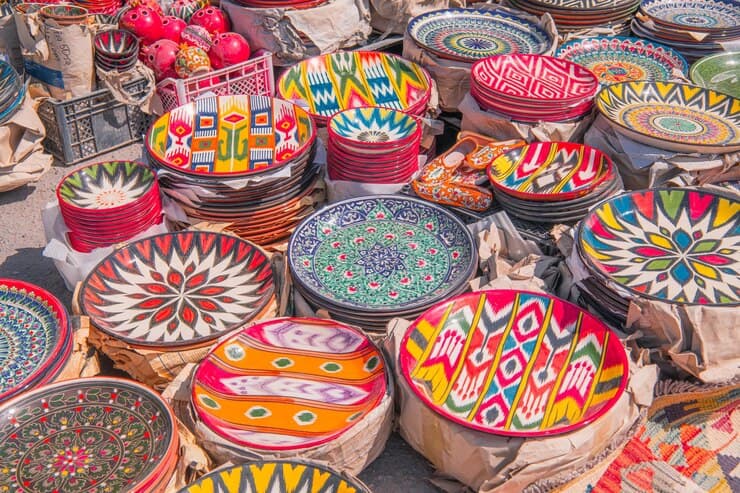
- Crafts: Handwoven carpets and kilims, felt rugs, carved wood, fine ceramics, and ornate embroidery. Many skills pass through families.
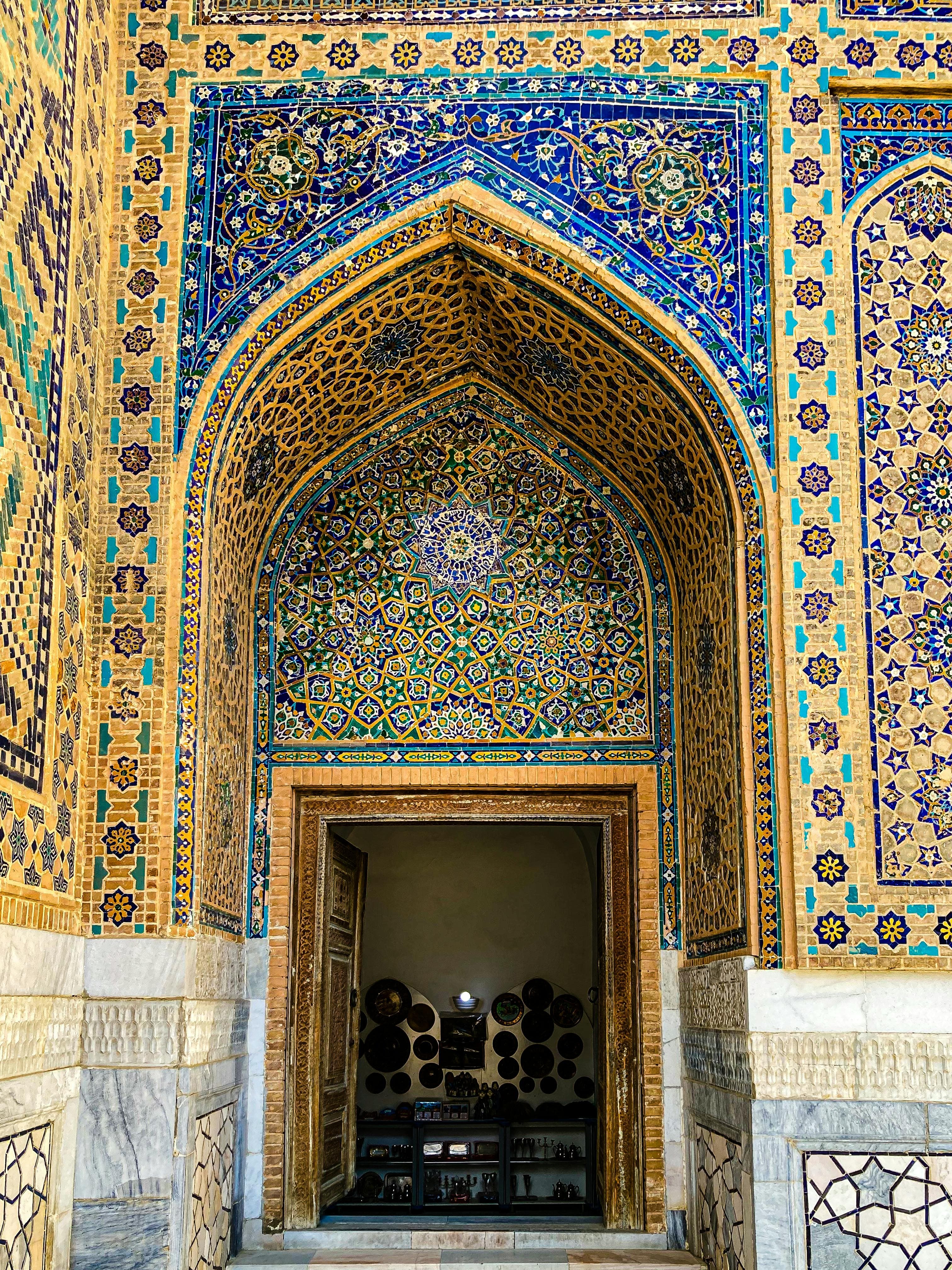
- Architecture: Blue-tiled squares in Samarkand and Bukhara, old quarters in Khiva, clay villages in mountain valleys, and Soviet-era avenues in big cities.
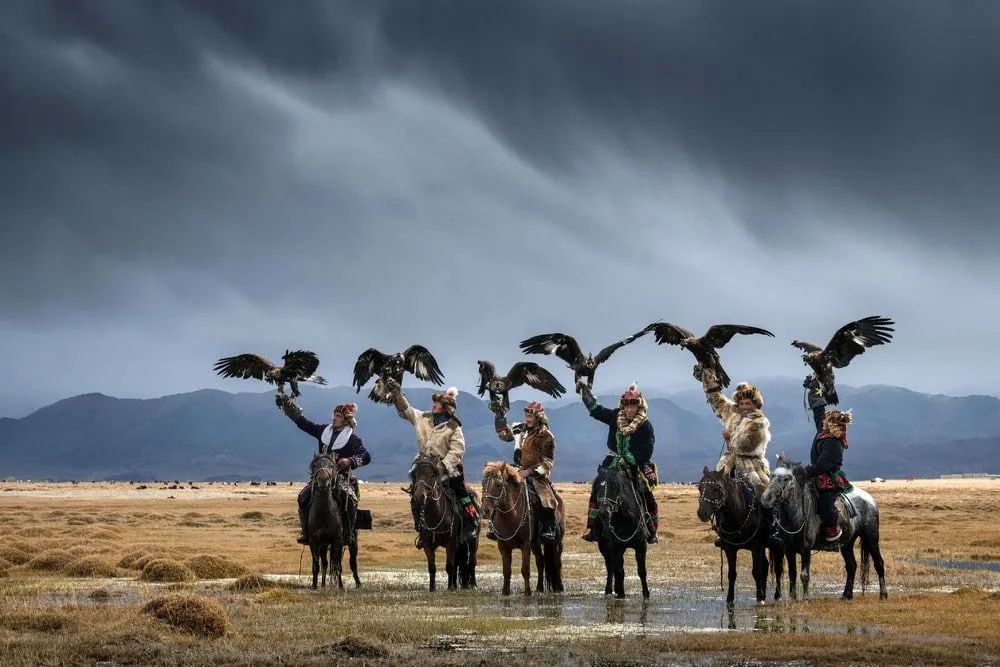
- Sports and games: Horse games like kokpar/buzkashi, eagle hunting in parts of Kazakhstan and Kyrgyzstan, wrestling, and nomad festivals.
If you want context on how elder traditions shape today's life, see the practical overview in this guide to elder nomadic culture.
Languages and identity
- Languages: Kazakh, Kyrgyz, Uzbek, Turkmen (Turkic); Tajik (Persian). Russian remains widely used across borders.
- Values: Family loyalty, hospitality, respect for elders, and care for community. City and village lifestyles differ but share these core values.
Key festivals
- Navruz (Nowruz): Spring new year with meals, visits, songs, and games.
- Independence and local days: Modern celebrations with music, food, and performances.
Where to experience it
- Kyrgyzstan: Yurt stays on high pastures; komuz music; felt-making workshops.
- Uzbekistan: Silk Road architecture in Samarkand, Bukhara, Khiva; tea houses and suzani markets.
- Kazakhstan: Steppe culture, dombra music, and eagle hunting traditions.
- Tajikistan: Pamir hospitality, mountain songs, and hearty home cooking.
- Turkmenistan: Carpet weaving heritage and desert traditions.
For background before you go, read Elder Nomadic Culture of Central Asia — a guide and note how elder authority, gift-giving, and tea rituals play out in daily interactions.
Visitor etiquette (quick tips)
- Bring small gifts (local sweets or tea) when invited to a home.
- Accept tea and bread; try a little of everything offered.
- Dress modestly in rural areas and religious sites; remove shoes when asked.
- Ask before photographing people, especially elders.
- Learn a few greetings in the local language; a simple salam works widely.
FAQ
- Is Central Asia only nomadic? No. Nomadic lifeways and urban Silk Road culture evolved together and still mix today.
- Is alcohol common? It varies by place and family. Tea is central; be respectful of local norms.
- What about safety for travelers? Major routes are popular and friendly. As always, use common sense and follow local advice.
Central Asian culture is not frozen in time. It changes with cities, migration, and digital life, yet the essentials—hospitality, music, craft, and pride in heritage—hold steady. If you want a concise, human overview of how elders, family, and nomadic memory shape society today, start with this focused guide on elder nomadic culture and build your journey from there.