October 8, 2025 · 1 min read
What Race Were the Nomads? A Better Question
Short answer: there was no single race of nomads. Across history, nomadic life was practiced by many different peoples in different regions. A better question is: which peoples lived nomadic or semi-nomadic lifestyles, where, and when?
Why the word 'race' misleads
- Race is an outdated biological label. In the past, identity hinged more on language, kinship, belief, place, and allegiance.
- Nomadic groups were highly mobile and mixed through trade, marriage, warfare, and alliances. Over centuries, many shifted languages and customs, so neat racial boxes do not fit.
Where nomads lived and who they were
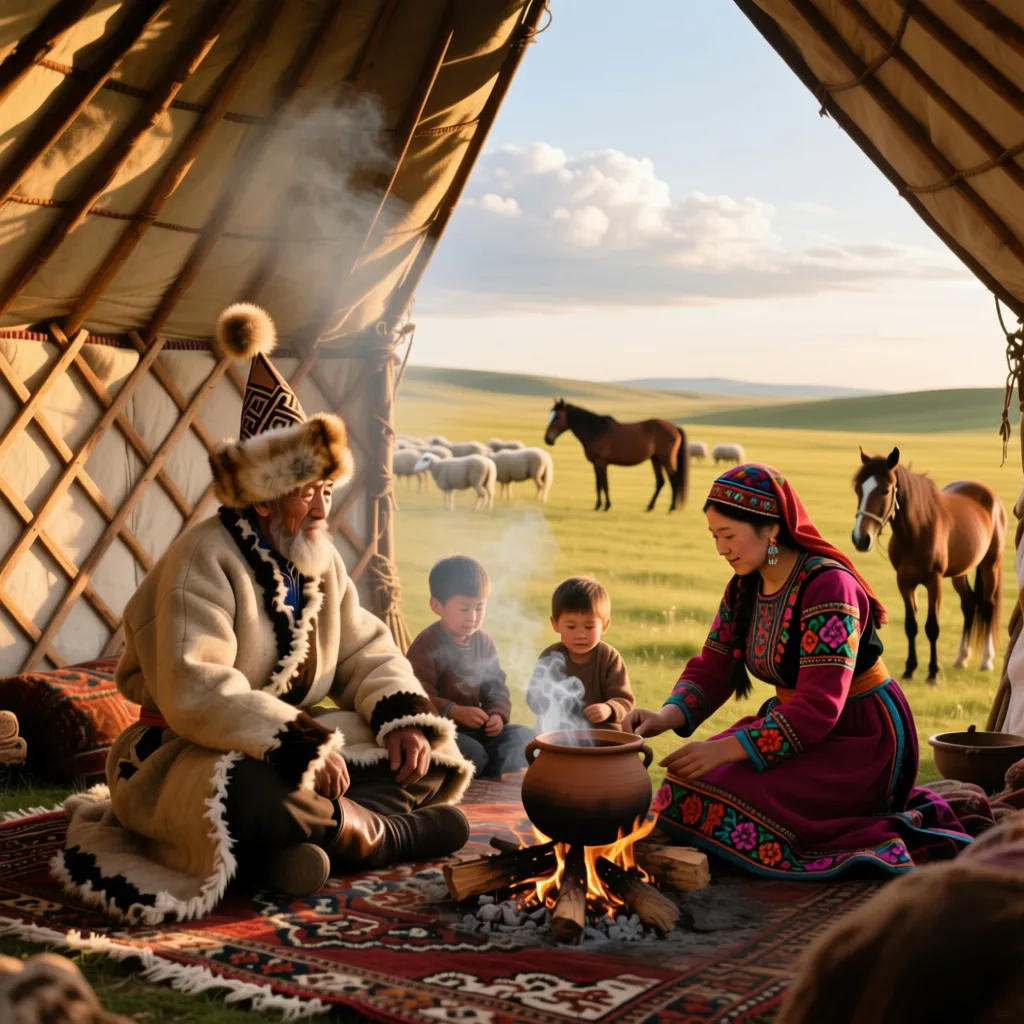
- Eurasian steppe: Scythians and Sarmatians (Iranian speakers), Xiongnu, Huns, early Turks, Mongols, Kipchaks, and later Kazakhs.
- Arabian deserts: Bedouin tribes with camel pastoralism.
- Sahara and Sahel: Tuareg and other Amazigh peoples; Fulani pastoralists.
- Tibetan Plateau and Inner Asia: Tibetan, Mongolic, and Turkic herders.
- Northern Eurasia: Evenki, Nenets, and Sami with reindeer herding.
- Central Asian oases constantly interacted with steppe nomads; for the settled side of that story, see this guide to the BMAC (Oxus) civilization.
Languages and lineages (in brief)
- Languages among nomads included Turkic and Mongolic families, Iranian (Indo-Iranian), Uralic, Semitic, Berber, and Tibeto-Burman.
- Ancient DNA from the steppe shows admixture: blends of western Eurasian, Siberian, and later East Asian ancestries at different times and places.
- Because mobility fosters mixing, looks varied widely. There was no single appearance that defined all nomads.
How to ask better questions
- Name the group, time, and place: for example, 13th‑century Mongols, 6th‑century Avars, or 18th‑century Kazakh hordes.
- Focus on culture and economy: horse and sheep pastoralism, transhumance, caravan trade, seasonal routes.
- Consider interactions with neighbors in towns and oases such as the Oxus region. For background on those settled civilizations, read this overview of the Oxus/BMAC.
Quick answers
- Did nomads have one race or look? No; they were diverse in language, ancestry, and culture.
- What often united them? Mobility, herding, cavalry tactics, and trade networks across grasslands and deserts.
- How did they identify themselves? By clan, tribe, ruler, language, and religion—context mattered more than broad racial labels.
Curious about the deep roots of Central Asia—the urban centers that traded with and sometimes resisted nomadic confederations? Start with this concise article on the BMAC (Oxus) civilization for clear context and inspiration.