August 20, 2026 · 2 min read
What Is a Mahalla? Understanding Neighborhood Life in Uzbekistan
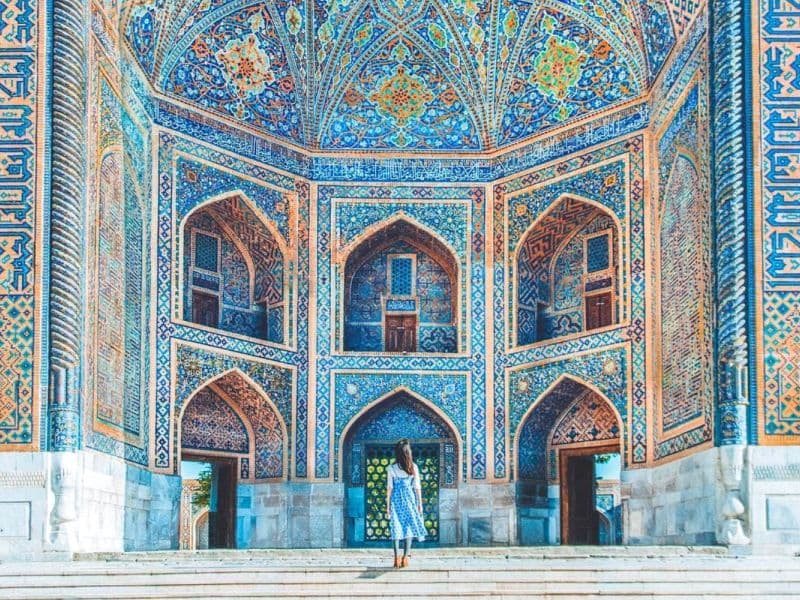
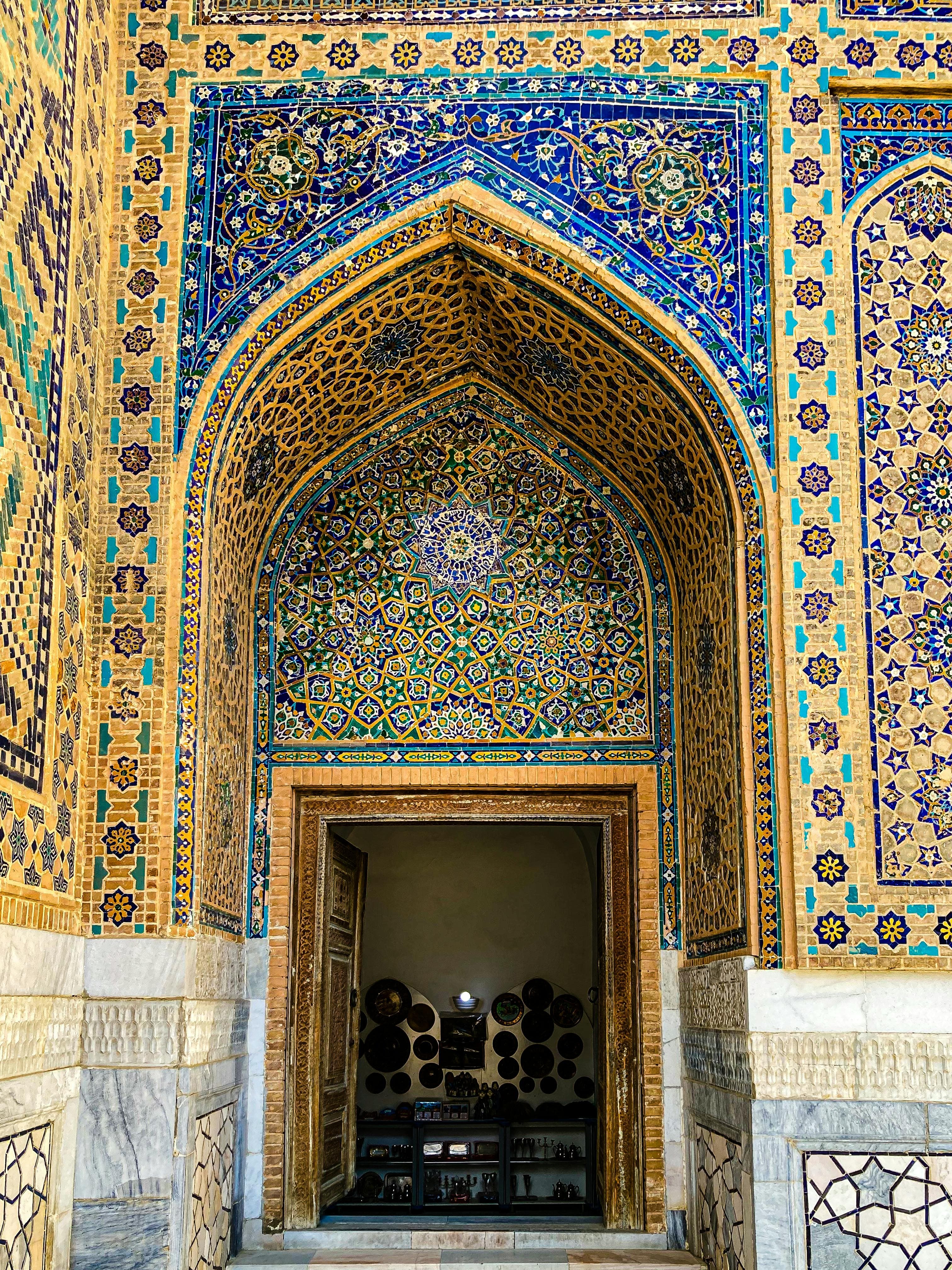
Visitors often come to Uzbekistan for the Registan, Bukhara’s old city and the walls of Khiva.
But to understand how people actually live, there is another word worth learning:
mahalla.
A mahalla is usually translated as a neighborhood or local community, but that translation only explains part of it.
In Uzbekistan, a mahalla is both a physical place and a social institution. It connects neighbors, families, traditions and local self-government. Historically, mahallas developed as residential quarters with their own community life; today they remain an important part of everyday society.
Understanding the mahalla helps travelers see Uzbekistan beyond its monuments.
A Mahalla Is More Than a Neighborhood
Imagine a neighborhood where people do more than recognize the family next door. Neighbors may know who has recently married, who needs help, whose children are growing up and which family is preparing for an important celebration.
That sense of connection is central to the idea of the mahalla.
Academic research describes the mahalla as a residential quarter that historically developed into a community and self-governing unit. In modern Uzbekistan, it also functions as an officially recognized community-level institution connecting households with local administration and social support. So when an Uzbek person speaks about their mahalla, they may be referring not simply to a location.
They may be talking about the community they belong to.
What Does a Traditional Mahalla Look Like?
There is no single mahalla design.
In historic cities, however, traditional neighborhoods often developed around narrow residential streets, courtyards and shared community spaces.
In Samarkand’s historic urban structure, UNESCO describes mahalla centers with mosques, community halls and public squares as the social and cultural heart of neighborhoods.
Minzifa Travel’s own cultural guide to the mahalla also notes that traditional community centers were often associated with a mosque or teahouse. (minzifatravel.com)
For a traveler walking through an old residential quarter in Bukhara or Samarkand, this creates a completely different atmosphere from the monumental city center.
- Behind plain walls may be private family courtyards.
- Children play in the street.
- Neighbors stop to talk.
- Bread is carried home from a local bakery.
- Someone may be preparing for guests.
This is the everyday Uzbekistan that exists alongside the famous Silk Road.
Why Is the Mahalla So Important in Uzbek Culture?
One reason is mutual responsibility.
Mahalla life has traditionally been associated with neighborliness, support and participation in community affairs. Modern mahalla institutions can also be involved in social support, community upkeep and helping residents address local issues.
But the cultural role is just as important.
In Uzbekistan, major stages of life are rarely purely private events.
Weddings, births, religious holidays and periods of mourning often involve extended family and the wider community. Minzifa Travel’s guide to Uzbek traditions notes that events such as weddings and condolence visits commonly have a strong community dimension, while mahalla life reinforces shared responsibility and care between neighbors. (minzifatravel.com)
This helps explain something travelers notice quickly in Uzbekistan:
hospitality often extends beyond the individual household.
Community relationships matter.
Tea, Courtyards and Everyday Conversations
For travelers, mahalla culture is rarely experienced through an official presentation. It appears in much smaller moments.
Someone invites you to sit down for tea.
- A guide explains why several generations may live close to one another. You see bread being prepared in a courtyard.
- A neighbor enters without the formality you might expect elsewhere.
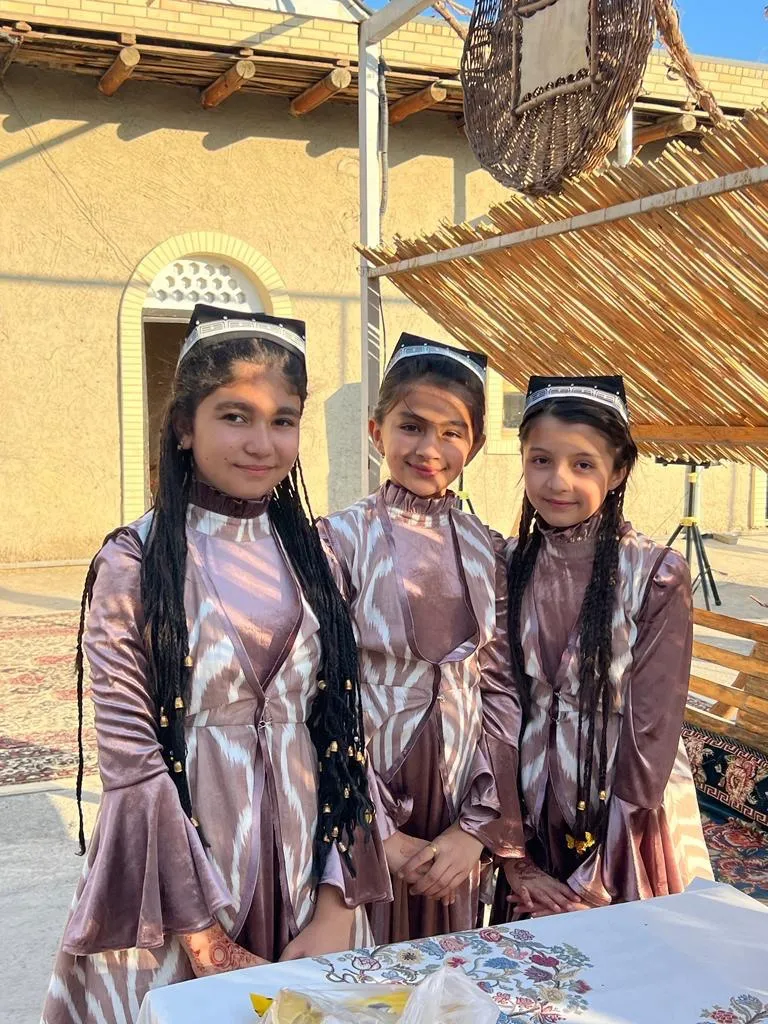
You learn that a wedding is not merely an event for two people but something that can involve an entire network of relatives and neighbors. These experiences help explain Uzbekistan in ways that even its most impressive museums cannot.
That is also why travelling with a knowledgeable local guide can make such a difference. A good guide does more than explain dates and architecture — they can translate the social rules and family traditions that visitors would otherwise pass without noticing.
Minzifa Travel’s recent article on local female guides, for example, highlights how guides can offer cultural context around family life, household traditions and the mahalla environment. (minzifatravel.com)
The Mahalla Is Changing Too
It would be misleading to describe mahalla life as something frozen in the past.
Uzbekistan is changing quickly.
People live in apartment blocks as well as historic courtyard houses. Younger generations use smartphones, online services and modern businesses while still participating in family and neighborhood traditions.
Modern research describes the mahalla as an institution that has evolved from a traditional community structure into a more formal social institution integrated into contemporary public life. That combination of continuity and change is part of what makes Uzbekistan interesting.
You may leave a centuries-old mosque and minutes later see young residents ordering food or paying digitally. The mahalla does not exist outside modern Uzbekistan.
It evolves with it.
How Can Travelers Experience Local Neighborhood Life Respectfully?
The most important thing to remember is that a mahalla is not an attraction created for tourists.
It is someone’s home.
Walking through residential streets can be fascinating, but privacy matters. Avoid photographing people or private courtyards without permission, dress respectfully and follow your guide’s advice when entering community or family spaces.
The best encounters usually happen naturally.
- A local meal.
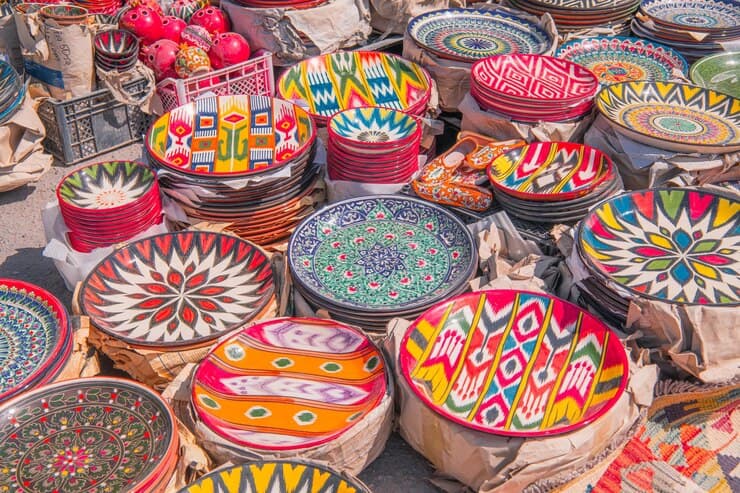
- A conversation with an artisan.
- A visit to a family home.
- A walk with someone who can explain what you are seeing.
Minzifa Travel’s From Urban to Rural Uzbekistan tour is designed around this broader view of the country. Alongside Tashkent, Samarkand and Bukhara, it includes village experiences, meals with local families and meetings with artisans.
For travelers interested in the classic Silk Road cities but who still want cultural context, the private Ancient Cities of the Silk Road tour combines Samarkand, Bukhara, Khiva and Tashkent with local traditions, markets, cuisine and artisan encounters.
Why Understanding the Mahalla Changes the Way You See Uzbekistan
Without understanding mahalla life, it is easy to see Uzbekistan mainly through its grand history.
- Emirs.
- Caravan routes.
- Madrasas.
- Mosques.
- Silk Road merchants.
- All of that matters.
But Uzbekistan is not only a country of extraordinary monuments. It is also a country of courtyards, neighbors, tea tables, family networks and communities where people have lived alongside one another for generations.
The mahalla connects those two versions of Uzbekistan. It helps explain how traditions survive.
How hospitality becomes a social value rather than simply a tourist slogan. And why community still plays such an important role in everyday life.
The Registan can show you the greatness of Uzbekistan’s history.
A mahalla can help you understand the people living beside it today.
See the Uzbekistan Behind the Monuments
If local life matters as much to you as famous landmarks, explore Minzifa Travel’s From Urban to Rural Uzbekistan tour for family meals, village experiences and artisan encounters alongside the Silk Road cities.
Or create a private Uzbekistan journey and tell us you want more time for neighborhoods, markets, local families and the everyday culture that makes Uzbekistan feel alive.