August 27, 2025 · 1 min read
Uzbek Traditions: Customs, Crafts, and Daily Etiquette
What are Uzbek traditions?
Uzbek traditions are rooted in hospitality, family respect, and a love of craft. From tea-first welcomes to silk ikat and suzani embroidery, these customs shape daily life in Tashkent, Samarkand, Bukhara, Khiva, and across the Fergana Valley.
Hospitality and the dastarkhan
- Tea comes first. Guests are seated quickly and offered green tea before food.
- Bread (non) is sacred. It's broken by hand, never cut, and placed face-up on the table.
- The dastarkhan (table setting) is a shared spread of fruits, nuts, sweets, salads, and hot dishes.
- Elders are seated at the place of honor; younger guests wait to start.
- Shoes off is common in homes. Step around, not over, the dastarkhan.
- Small gifts (sweets, fruit) are welcome when visiting.
Food rituals you'll notice
- Plov is the centerpiece at gatherings and often cooked for weddings and Thursdays/Fridays.
- Samsa, lagman, shashlik, and halim vary by region; try local versions at a choyhona (teahouse).
- Toasts are warm but modest. Tea is more common than alcohol in many settings.
Family, community, and greetings
- Mahalla (neighborhood) life supports shared responsibility and care.
- Respect for elders guides conversation and seating.
- Greetings: a light handshake between men, and placing the right hand over the heart with a nod is polite; avoid initiating handshakes with women unless offered.
- Life events: beshik-toy (cradle ceremony), sunnat-toy (circumcision), nikoh to'y (wedding), and condolence visits are community affairs.
Holidays and faith
- Navruz (21 March) marks spring with house-cleaning, friendly visits, sumalak (wheat-germ dessert), music, and games like kupkari in some regions.
- Ramadan and Eid are observed by many; if invited to iftar, arrive on time and dress modestly.
Dress, symbols, and crafts
- The doppa (embroidered skullcap) and textiles like atlas and adras (silk/cotton ikat) are cultural markers.
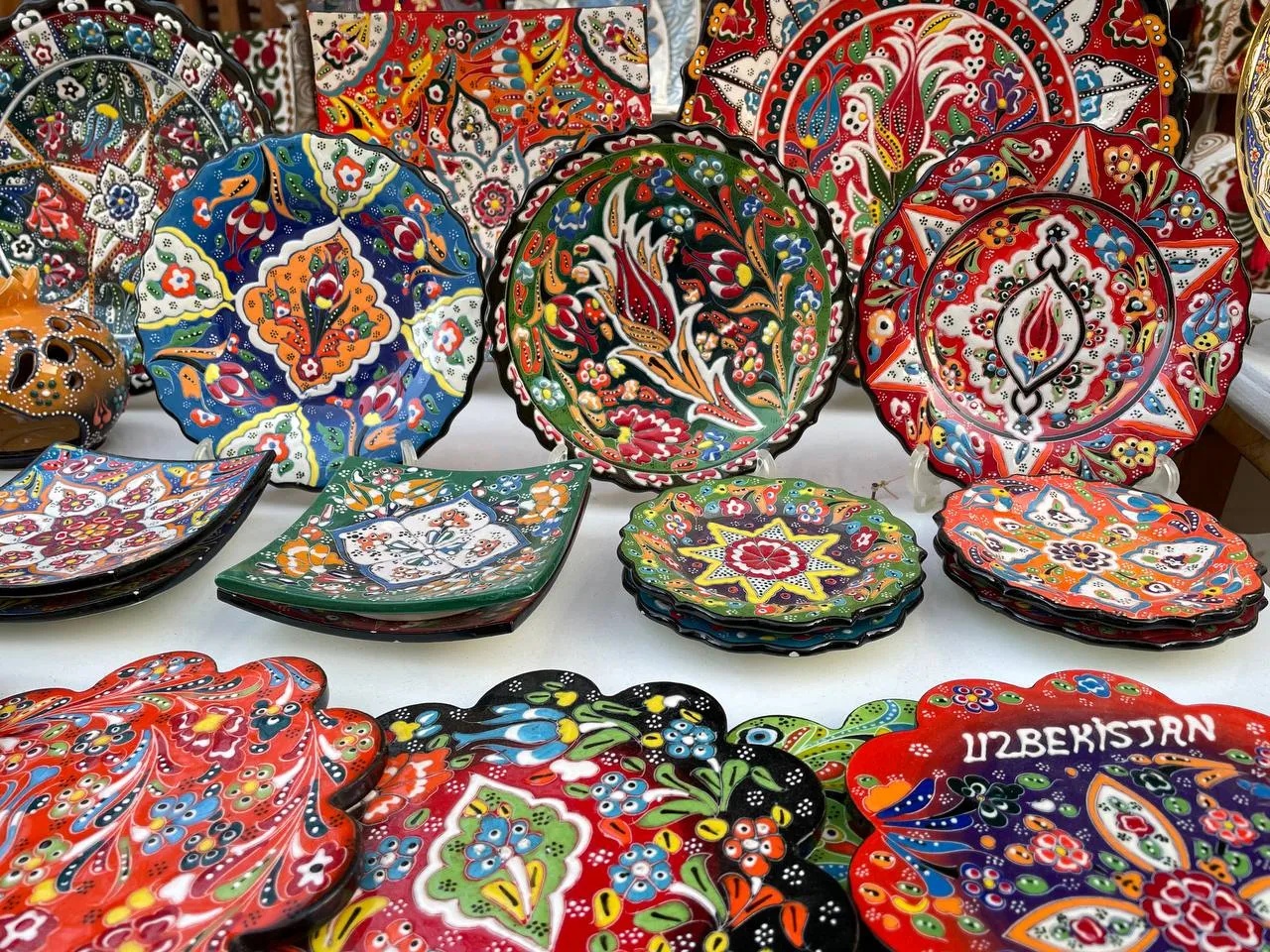
- Embroidery (suzani), ceramics (Rishtan blues), metalwork (Bukhara), wood carving (Khiva), and carpets reflect regional styles and motifs.
- Explore styles, stories, and regional techniques in this helpful guide: Arts and Crafts of Uzbekistan: Traditions and Styles.
Music and dance
- Classical Shashmaqom, the doira frame drum, and the energetic Khorezm Lazgi dance animate festivals and weddings.
Bazaar and street etiquette
- At Chorsu (Tashkent) or Siab (Samarkand) bazaars, greet vendors, sample before buying, and bargain with a smile.
- Use both hands when giving/receiving items or money; it signals respect.
Quick etiquette for travelers
- Dress modestly at religious sites; women may cover hair in some mosques or shrines.
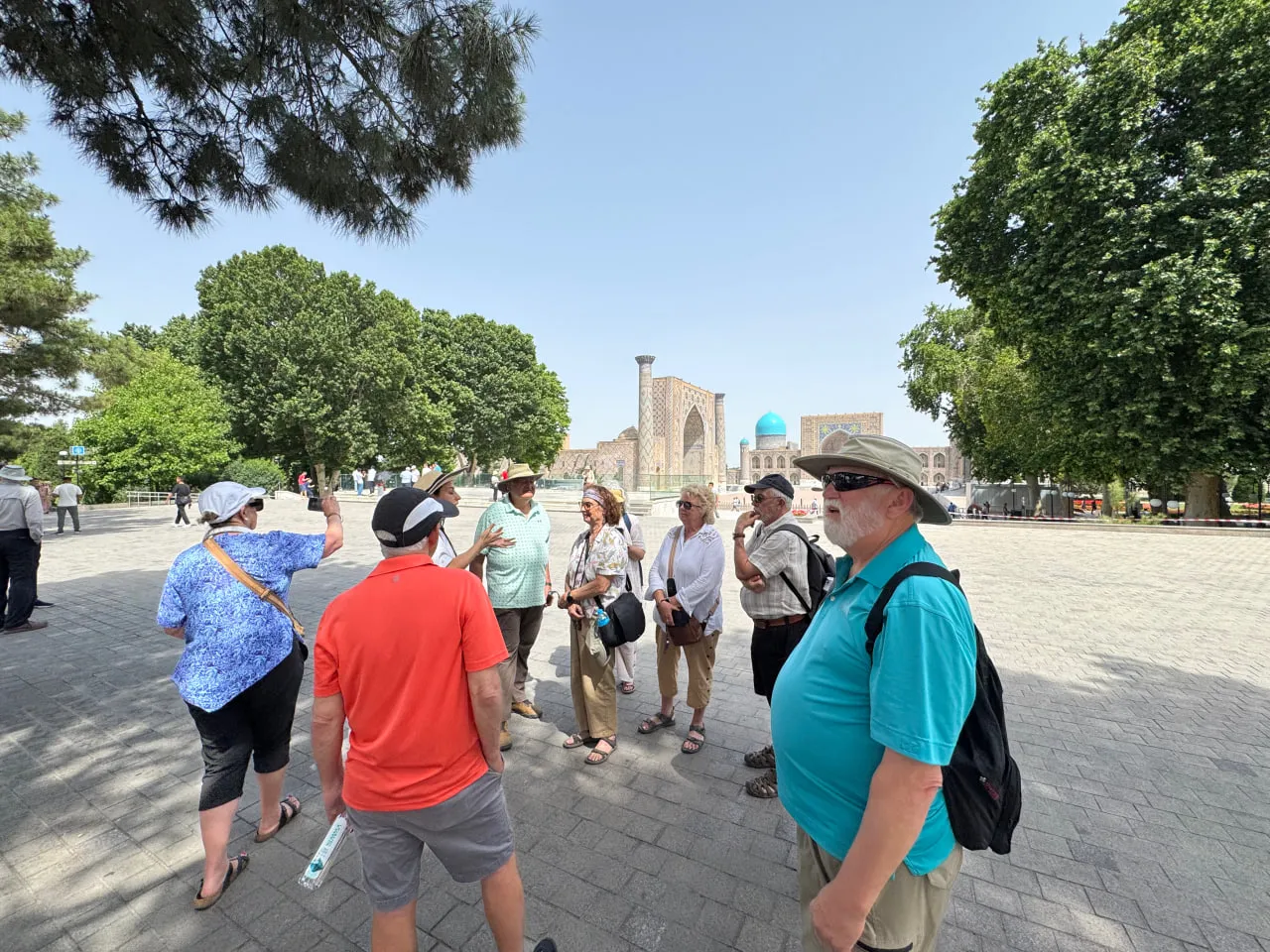
- Ask before photographing people, especially elders and in markets.
- Remove shoes in homes; avoid stepping on thresholds.
- Public affection is kept low-key; keep voices calm in public.
- Tipping is appreciated in tourist settings; carry small bills.
- Time is flexible for social calls, but be punctual for tours and official visits.
Regional flavor
- Tashkent blends modern cafés with traditional tea culture.
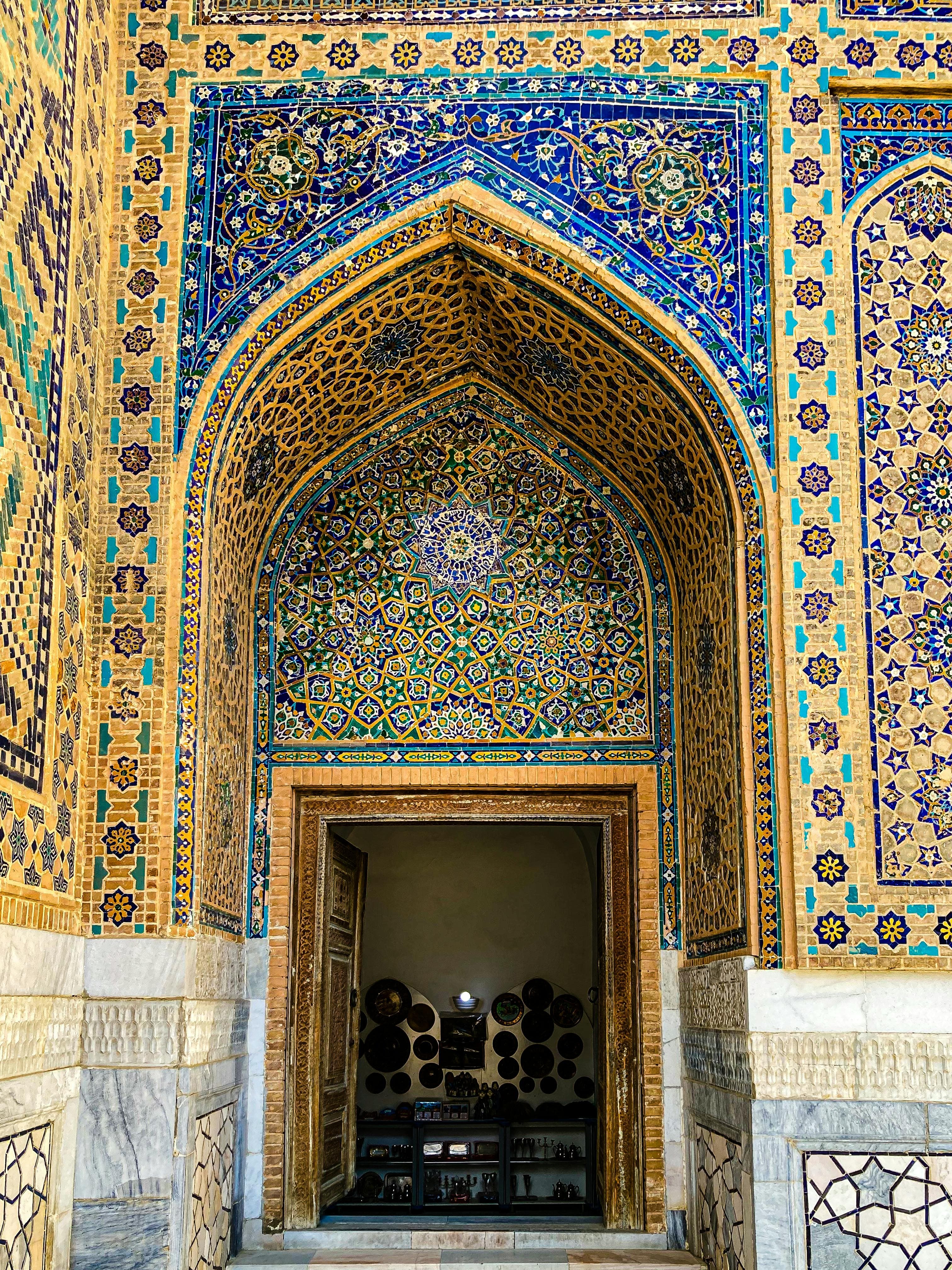
- Samarkand and Bukhara highlight Timurid-era aesthetics and artisan quarters.
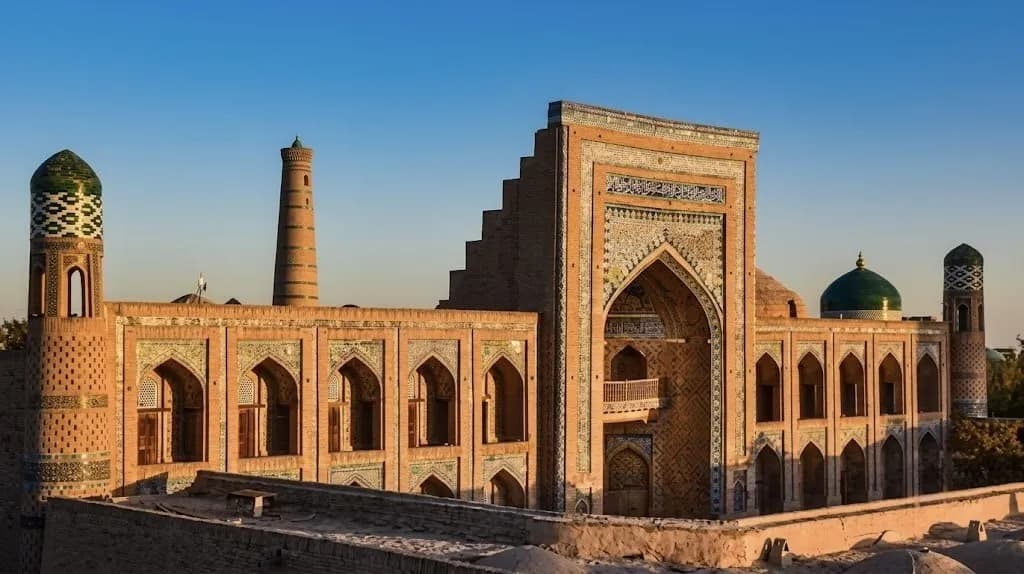
- Khiva's mud-brick old town showcases wood carving and tilework.
- The Fergana Valley is renowned for silk, ceramics, and lively doppa patterns.
If you're asking, "What are Uzbek traditions?"—they're living practices you can see, taste, and join. To dive deeper into motifs, techniques, and meanings behind handicrafts, read this overview on the Minzifa Travel blog: Arts and Crafts of Uzbekistan: Traditions and Styles. It's a practical primer before shopping or meeting artisans on the road.