November 26, 2025 · 1 min read
The Revival of the Silk Road: Why It’s More Than Just History
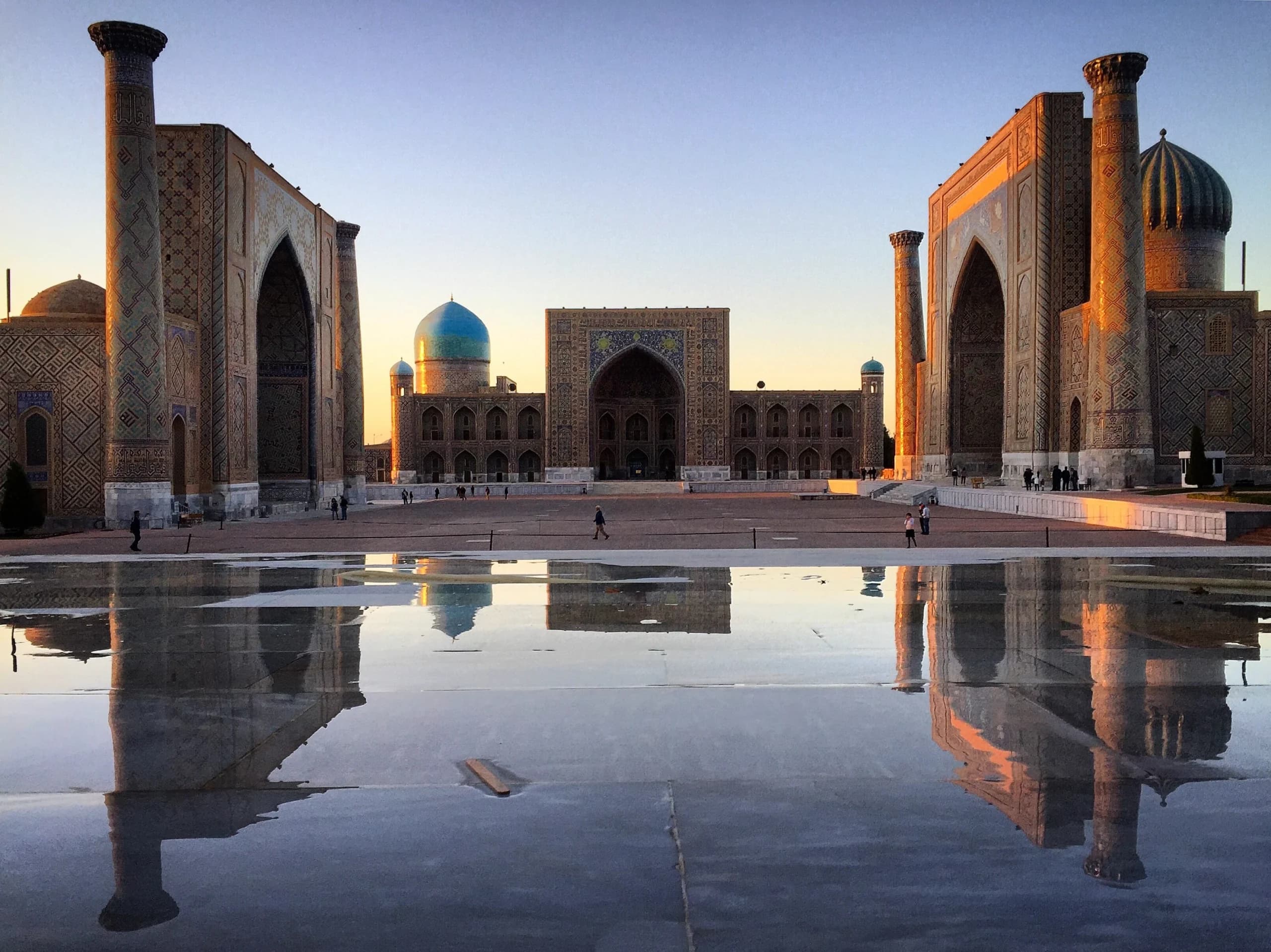
When you stand in Samarkand’s Registan, it’s easy to view the Silk Road as a glorious relic—a chapter sealed shut in history.
But the Great Silk Road is not a museum exhibit. Today, it is undergoing an extraordinary, ambitious revival, transforming Uzbekistan from a historical center into the beating heart of 21st-century Eurasia.
The story of the Silk Road’s revival is the story of modern Uzbekistan. Here is why the ancient route is more than just history—it’s the geopolitical engine fueling the present and the future.
1. The Cultural Revival: The Silk Road You Can Touch
The most beautiful evidence of the Silk Road’s enduring life is found in the everyday culture of Uzbekistan. The country never truly let the trade routes die; it simply absorbed them.
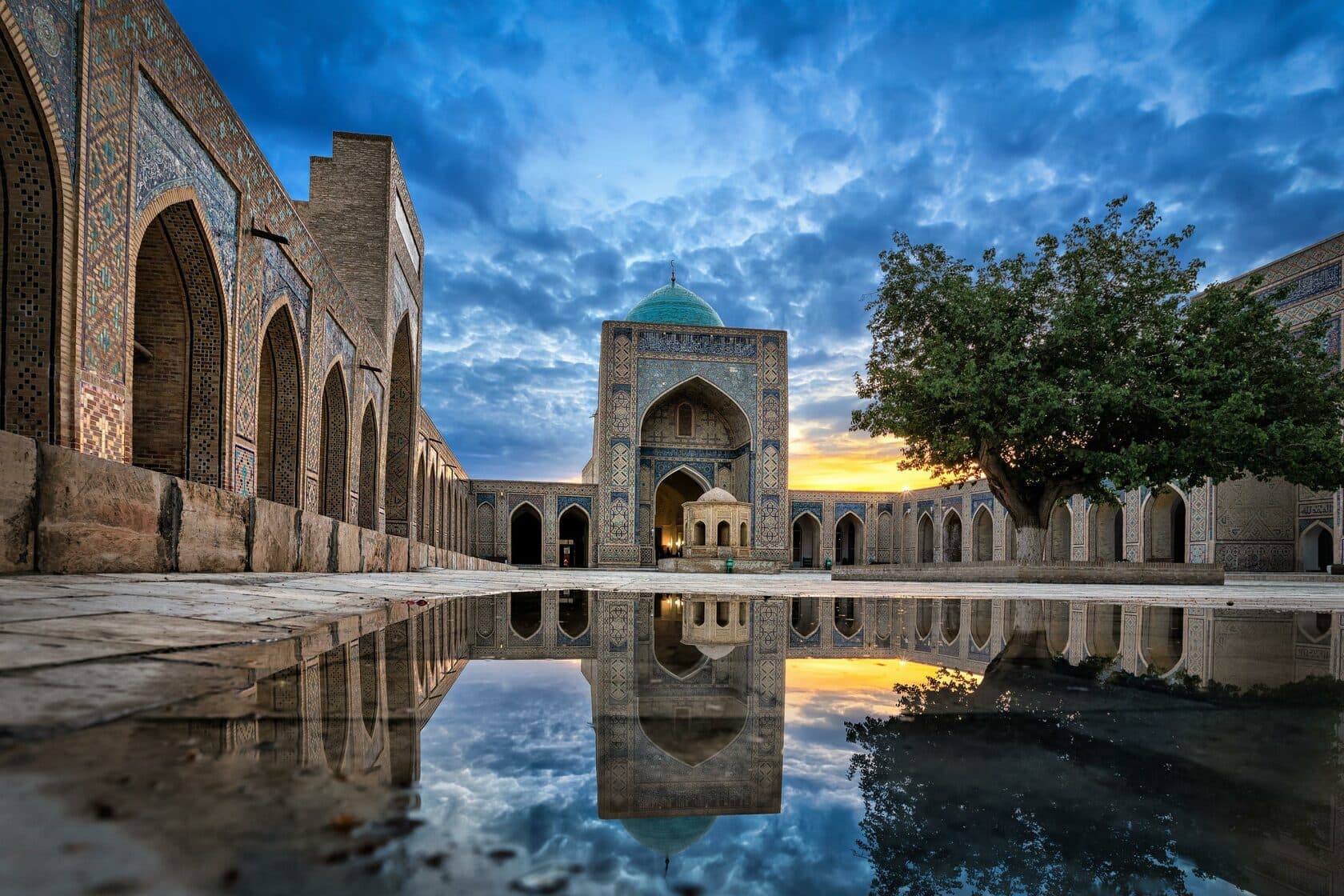
- The Living Bazaar: Step inside the ancient Trading Domes of Bukhara or Tashkent’s Chorsu Bazaar. The goods have changed (less gold, more electronics), but the energy, the haggling, and the sheer volume of trade remain untouched since the 15th century.
- A Fusion Cuisine: The national dish, Plov, is the ultimate Silk Road recipe—a fusion of rice (brought from the East), meat (from Central Asian livestock), and spices (carried from India and Persia). Every bite is a journey through history.
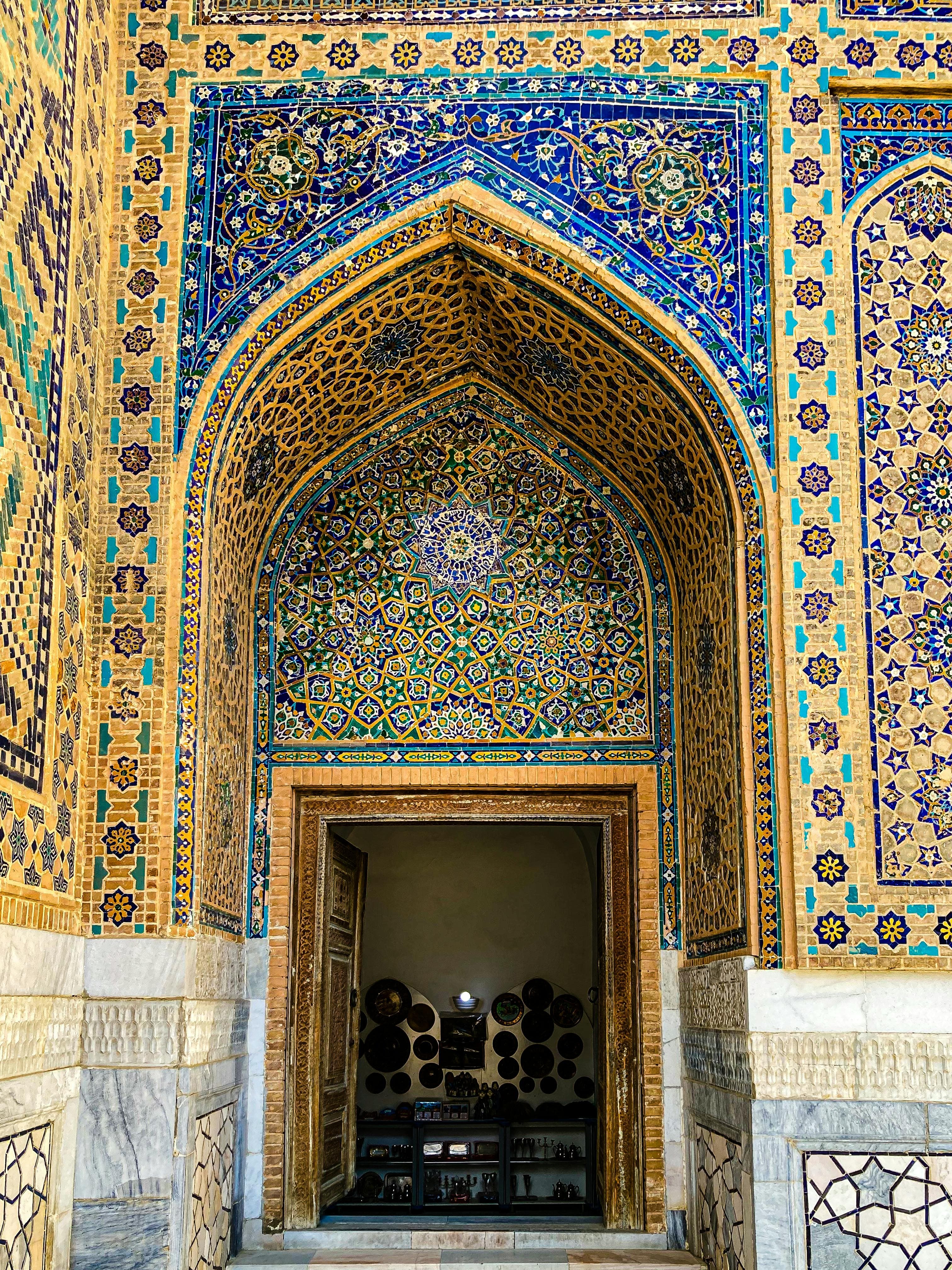
- The Language of Craft: Uzbekistan is leading a renaissance in ancient crafts. Artisans in Margilan weave Ikat silk just as their ancestors did. Ceramics from Rishtan still bear the deep cobalt blue that once traveled from Persia to China. These are not museum pieces; they are highly valued export commodities today.
2. The Economic Revival: The Silk Road on Rails
The most significant revival is happening not on camel trails, but on railway lines. The Belt and Road Initiative (BRI), a massive infrastructure project spearheaded by China, views Uzbekistan as an essential partner.
From Caravans to Freight Trains The ancient caravans that carried lightweight silk westward for high value have been replaced by high-speed trains carrying industrial materials, finished textiles, and modern machinery.
- The Landlocked Advantage: Uzbekistan is double-landlocked (surrounded entirely by landlocked countries). The BRI is addressing this by heavily investing in new rail corridors (like the Angren-Pap railway and the proposed China-Kyrgyzstan-Uzbekistan line).
- Cutting Transit Time: These new routes dramatically reduce the time it takes to ship goods from Central Asia to China—from 8–10 days to as little as two days. This shift is positioning Uzbekistan as a critical logistics hub for all of Central Asia.
- Textiles and Energy: Today, Uzbekistan’s biggest exports along these revitalized routes include massive amounts of cotton textiles, as well as energy (gas and hydropower) from joint infrastructure projects, making the modern Silk Road an engine for industrial growth, not just exotic luxury.
3. The Human Revival: A Crossroad of Modern Cultures
The Silk Road was never solely about trade; it was a conduit for ideas, religions, and technologies (like papermaking and mathematics). That intellectual exchange is also being revived.
- Shared Restoration: Modern cultural cooperation is strong. For example, China and Uzbekistan have jointly undertaken massive restoration projects in the city of Khiva, ensuring these shared historical treasures are preserved for the next millennium.
The Language of Innovation: English is increasingly common in Tashkent and Samarkand, used not just for tourism, but for international commerce and study, mirroring the role of Sogdian as the lingua franca of ancient trade.
Witness the Modern Crossroads with Minzifa Travel When you travel with Minzifa Travel, you are not just a tourist viewing the past; you are a participant witnessing the future.
We design our tours to connect these two realities seamlessly:
- The Contrast Trip: You will spend the morning exploring the intricate tilework of the 14th century, then board the modern Afrosiyob high-speed train—the physical embodiment of the new Silk Road—in the afternoon.
- The Vetted Experience: We ensure you are connected to the true cultural arteries, from artisan workshops (where history is made today) to local choyxonas (where the economic chatter of the new Silk Road takes place).
The Silk Road’s history is incredible, but its revival is even more compelling. Come and see the future of Central Asia. 👉 Book your tour with Minzifa Travel to witness the modern Silk Road revival