August 26, 2025 · 1 min read
Art and Craft Traditions of Uzbekistan
Uzbekistan's living craft heritage
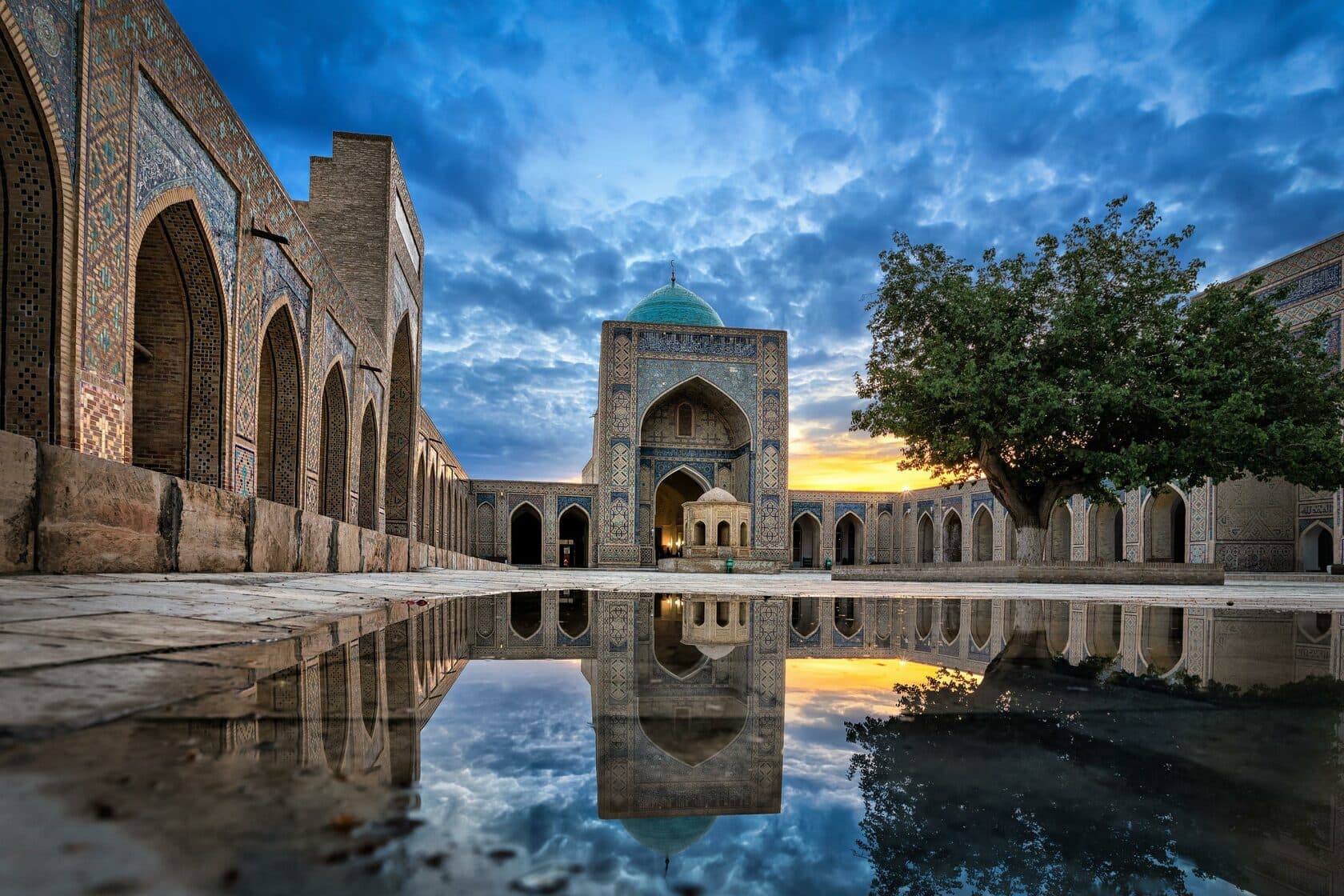
Uzbekistan is a Silk Road crossroads where traditional crafts are part of daily life, not just museum pieces. In one trip you can meet master potters in Rishtan, watch silk ikat being tied and dyed in Margilan, learn how mulberry-bark paper is made near Samarkand, and see gold embroidery and metal chasing in Bukhara. If you want a ready-made route with hands-on workshops and artisan visits, explore the curated itinerary here: Uzbekistan Art and Craft tour.
Signature crafts and where to find them
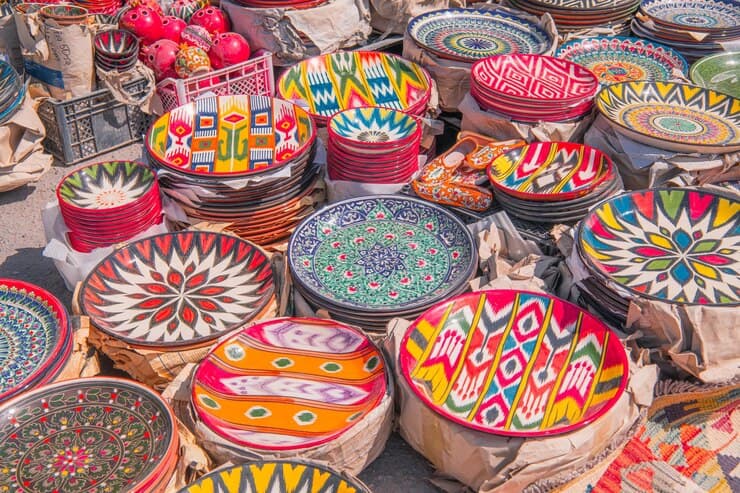
- Ceramics (Rishtan, Gijduvan): Ishkor (plant-ash) glazes give Rishtan bowls their deep blues and greens, while Gijduvan is known for geometric motifs and earthy tones. Quality signs: clear ring when tapped, unglazed base, clean foot, maker's mark.
- Silk ikat (Margilan): At workshops like Yodgorlik, you'll see resist-dye on warp threads before weaving. Fabrics: atlas (silk) and adras (silk–cotton). Spot real silk by touch and subtle sheen; viscose feels colder and more slippery.
- Suzani embroidery (Bukhara, Samarkand): Hand-stitched wall hangings with pomegranate, vine, and sun motifs. Look for consistent tension, neat backs, and natural-dyed cotton or silk threads.
- Woodcarving (Khiva, Tashkent): Pillars, doors, and Qur'anic stands with floral and geometric patterns. Good carvings have crisp cuts and smooth, oiled finishes.
- Metalwork and knives (Bukhara, Chust): Chased brass trays, engraved teapots, and famed Chust knives with horn handles. Check balance, tight fittings, and clean engravings.
- Felt and weaving (Nurata, Navoi): Hand-felted rugs and accessories; ask about wool source and natural dyes.
- Papermaking (Konigil, Samarkand): Mulberry-bark paper for calligraphy and miniatures; you can try pulping and pressing.
Meet artisans up close
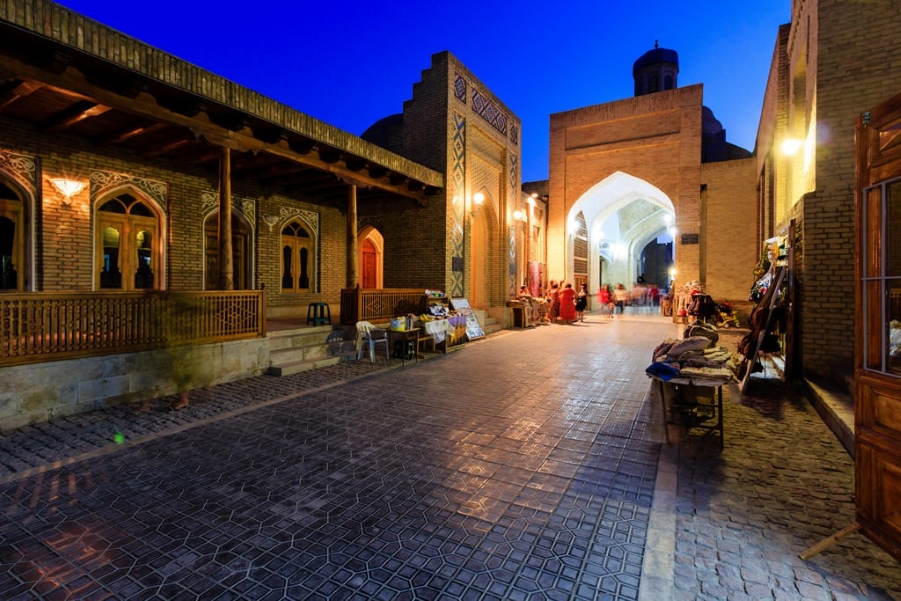
- Open studios in Bukhara's old town, Khiva's Ichan-Kala, and Tashkent craft centers welcome visitors.
- Family workshops often combine showroom and workspace—arrive mid-morning to see production.
- Markets: Chorsu (Tashkent), Siab (Samarkand) for everyday crafts; boutiques for curated pieces.
A 7‑day craft-focused route
- Day 1: Tashkent – craft center visits, museum of applied arts.
- Day 2: Drive to Rishtan (via Kokand) – ceramics masterclass; overnight Ferghana Valley.
- Day 3: Margilan – ikat weaving and dyeing demo; late train to Samarkand.
- Day 4: Samarkand – Konigil papermaking, Registan for architectural motifs.
- Day 5: Bukhara – gold embroidery, metal chasing; evening bazaar browsing.
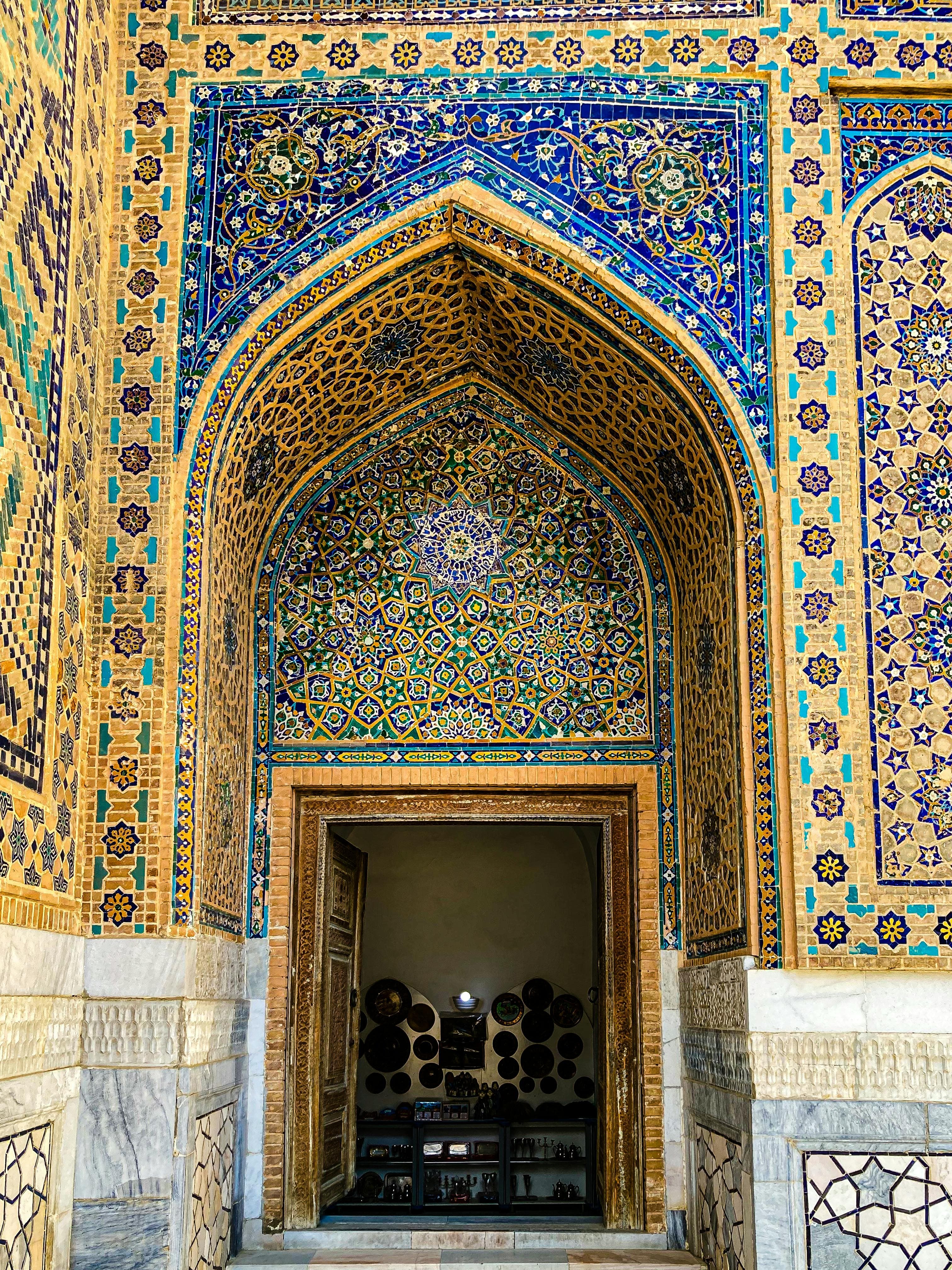
- Day 6: Khiva – woodcarving and tile workshops inside Ichan-Kala.
- Day 7: Return to Tashkent; last-minute shopping and packing.
Prefer expert logistics and guaranteed workshop access? Check this specialized program: Minzifa Travel's Art & Craft tour.
Budget, timing, and packing
- Typical prices: small ceramics $15–40; bowls/platters $30–150; silk scarves $25–70; suzani $120–500+; carved panels $80–300. Shipping for fragile items is common—ask for packing and tracking.
- Best seasons: March–June and September–November for comfortable weather and active workshops.
- What to pack: small tape measure, soft clothing wraps for ceramics, flat tote for textiles, and a notebook to record artisan names and techniques.
Authenticity checklist
- Materials: natural silk/wool, cotton grounds, plant-ash glazes.
- Technique: hand-stitching on suzani, hand-tied ikat, wheel-thrown ceramics.
- Maker info: name, workshop, and origin tag.
- Finish: smooth edges, stable dyes (rub with damp cloth on a seam—no bleeding).
- Time vs. price: complex handwork won't be bargain-cheap—be wary of mass-produced lookalikes.
Etiquette and responsible buying
- Ask before photographing people or interiors.
- Bargain politely; round up for small workshops.
- Prefer locally run studios; avoid antiques without documentation.
- Keep receipts for customs and consider declared-value shipping for higher-end items.
Quick FAQs
- Can I learn a craft? Yes—many studios offer short masterclasses (1–3 hours). Book ahead.
- Is card payment accepted? Increasingly, but cash works best in small workshops.
- How to ship? Joint packing + EMS/DHL for fragile ceramics and large suzani.
Craft travel in Uzbekistan rewards slow pacing, curiosity, and fair trade. Whether you build your own route or join a guided program, you'll come home with pieces that carry the story of their makers—and the skills behind them.