September 10, 2025 · 1 min read
Golden Age of Uzbek Art: Origins and Legacy
What we call the "Golden Age" of Uzbek art
The Golden Age of Uzbek art usually refers to the Timurid era (14th–15th centuries), when Samarkand, Bukhara, and Herat became hubs of architecture, calligraphy, miniature painting, and decorative crafts. Monumental tilework, refined book arts, and masterful stone and wood carving set standards that shaped Central Asian aesthetics for centuries.
For a concise overview of core forms, schools, and materials, see this helpful guide by local experts: Uzbek art: forms, crafts, textiles, ceramics.
Key features that defined the era
- Monumental architecture: glazed tiles, muqarnas, carved terracotta, and ganch (stucco) reliefs covered madrasas and mausoleums.
- Book arts: miniature painting, illumination, paper-making, and exquisite bindings flourished under court patronage.
- Calligraphy: kufic and naskh scripts paired with geometric borders and vegetal motifs.
- Craft ecosystems: specialized guilds advanced ceramics, metalwork, woodcarving, and textiles.
Explore materials and regional nuances here as well: traditional Uzbek crafts and art forms.
Masters, centers, and schools
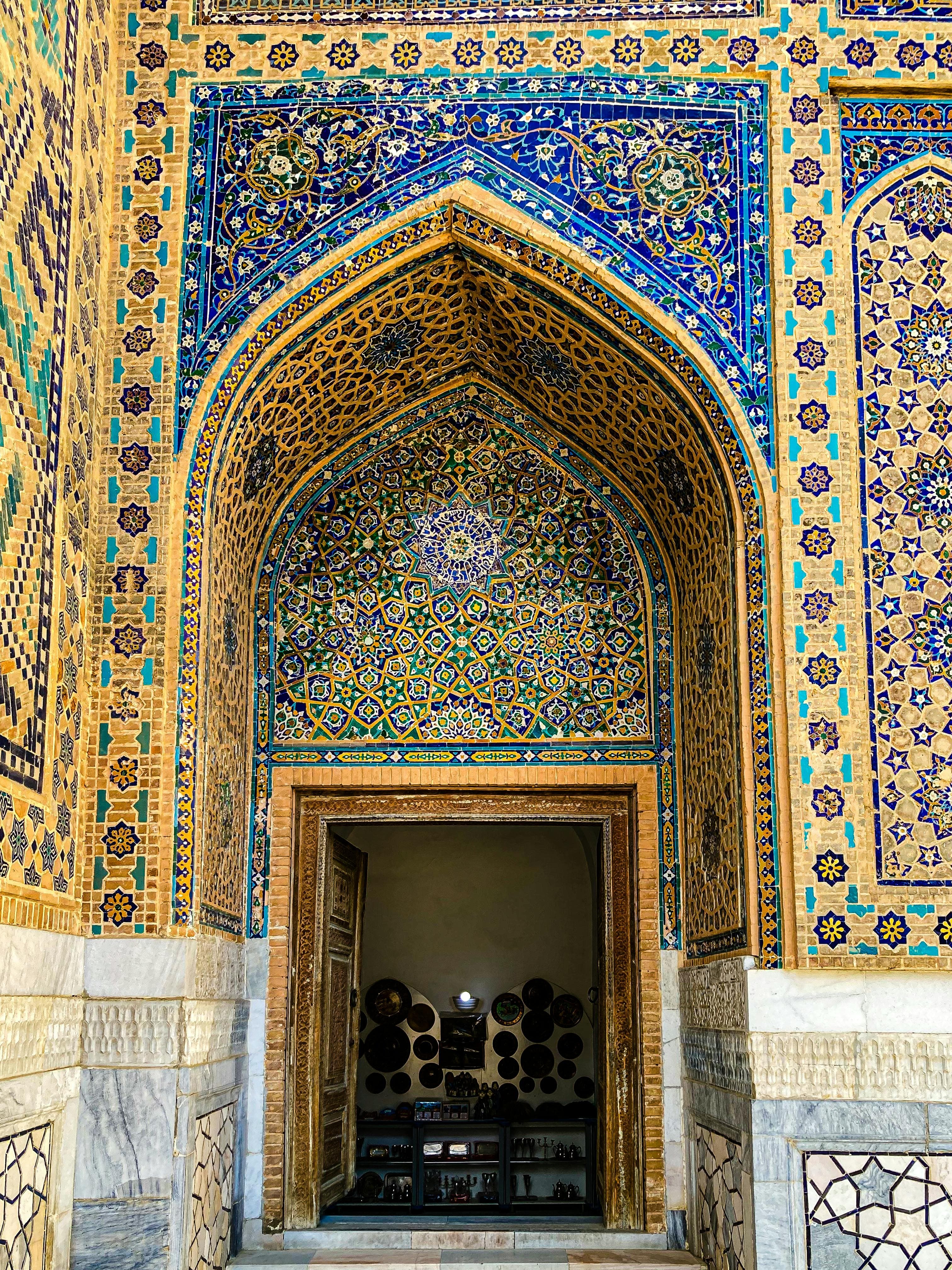
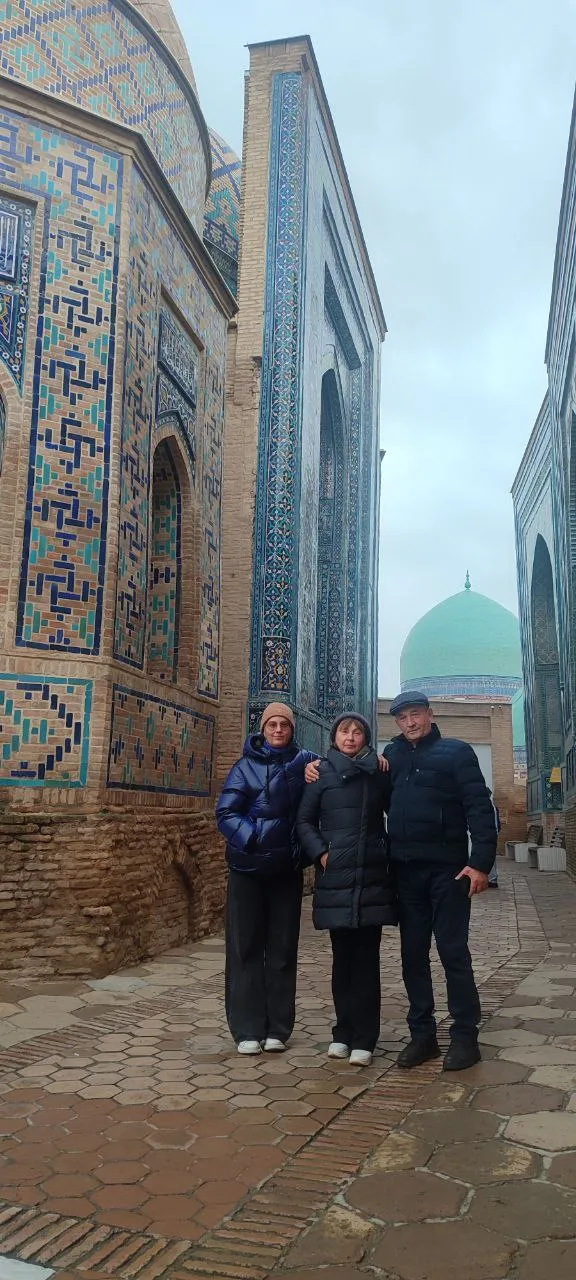
- Samarkand: The Registan ensemble and Shah-i-Zinda necropolis show the peak of Timurid tilework—mosaic faience, cuerda seca, and glazed brick.
- Herat School: Court workshops nurtured miniature painting often linked to Kamāl ud-Dīn Behzād, whose narrative clarity and color set the bar for centuries.
- Ulugh Beg's legacy: As ruler and astronomer, he sponsored madrasas and scientific manuscripts, blending art with scholarship.
- Bukhara and Khiva: Renowned for woodcarving, plaster carving, metal-chasing, and later suzani embroidery workshops.
Core crafts and how to recognize them
- Tilework and ceramics: Look for deep turquoise and lapis glazes, white calligraphic bands, and star or cross tiles. In later centuries, the Fergana Valley (Rishtan) refined blue-green ceramics with natural glazes—ancestral techniques with a living lineage.
- Textiles: Ikat (atlas and adras) from Margilan stands out with feathered patterns created by resist-dyed threads. Suzani embroideries from Bukhara, Shahrisabz, and Tashkent feature solar and pomegranate motifs—symbols of prosperity and life.
- Metalwork: Chiseled brass and copper with vegetal scrolls and epigraphy on trays, ewers, and lamps.
- Wood and ganch: Doors, pillars, and mihrabs bear layered vegetal patterns; finely carved stucco frames windows and domes with lace-like light.
For a deeper dive into textiles and ceramics, bookmark: Minzifa Travel's overview of Uzbek art.
Where to see the legacy today
- Tashkent: State Museum of Applied Arts; Chorsu area for contemporary crafts.
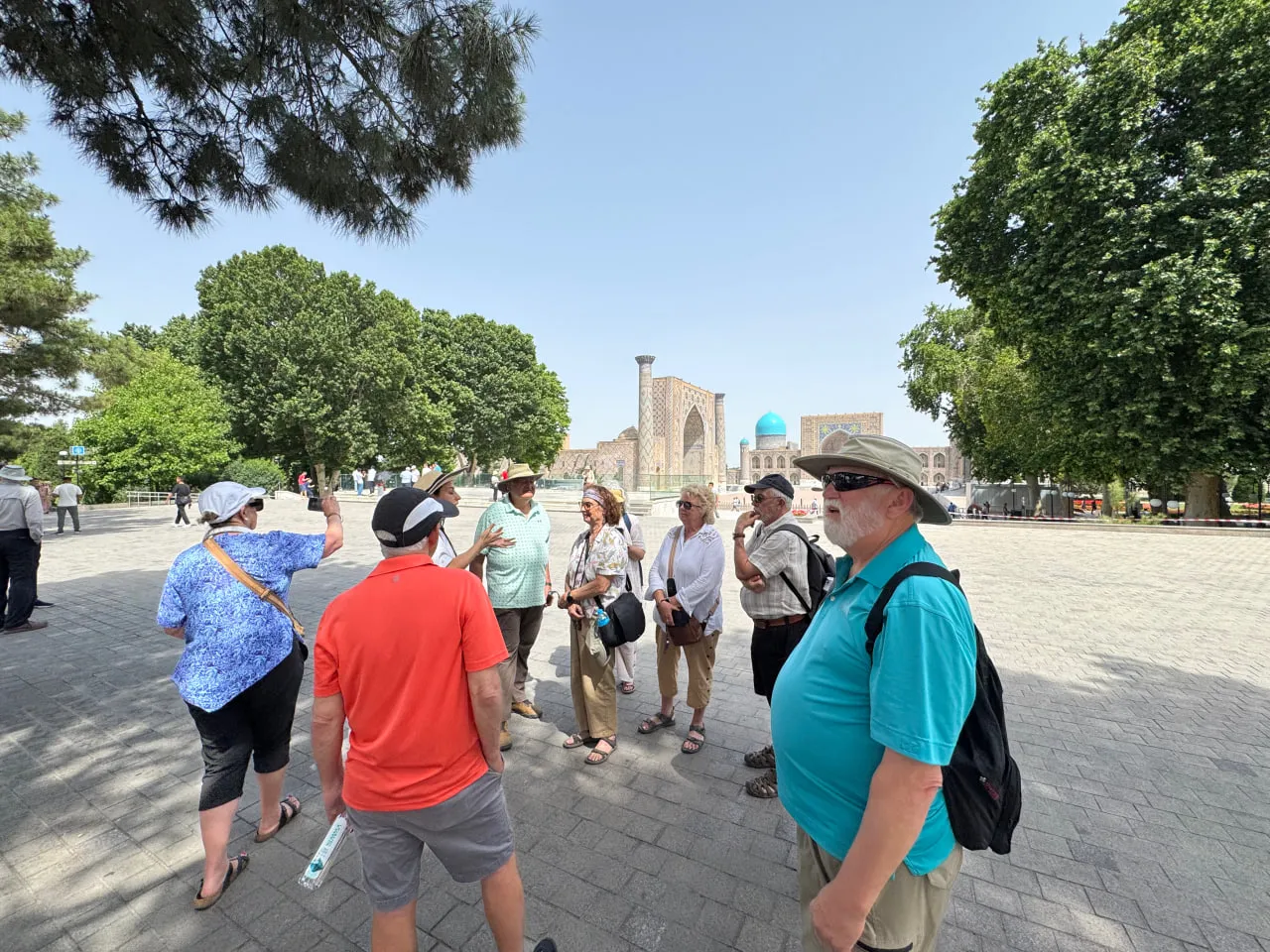
- Samarkand: Registan, Shah-i-Zinda, Gur-Emir; Afrosiab Museum for early wall paintings.
- Bukhara: The Ark, Poi Kalyan, and artisan workshops in the old quarters.
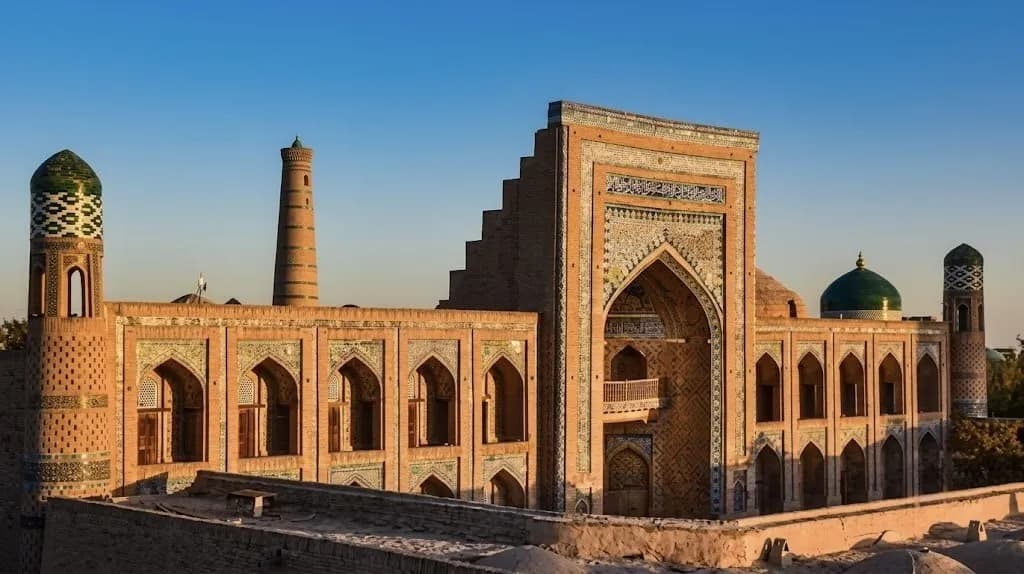
- Khiva: Ichan-Kala's carved columns, tilework, and khanate-era madrasas.
- Nukus: Savitsky Museum for 20th-century Uzbek avant-garde, placing tradition next to modernity.
- Workshops: Rishtan (ceramics), Margilan (Yodgorlik silk factory), Bukhara (suzani and metalwork).
Travel tips for art lovers
- Best seasons: spring (April–May) and autumn (September–October) for comfortable walks through historic ensembles.
- What to buy: a small suzani panel, a Margilan silk scarf, or a Rishtan bowl. Ask about natural dyes and handwoven bases.
- How to evaluate quality: check the back of suzani for even stitching; in ceramics, look for clear glaze and a balanced sound when tapped; in ikat, patterns should align at seams.
- Museum etiquette: photography rules vary; bring a light scarf for religious sites.
Quick FAQ
- What makes it a "Golden Age"? A rare convergence of patronage, skilled guilds, and knowledge exchange along the Silk Road, producing enduring styles.
- Is everything from that era? Not all. Many crafts matured later but trace techniques and motifs to Timurid innovations.
- Can I meet artisans? Yes—many workshops welcome visitors. Book ahead for demonstrations and short classes.
If you want curated routes, artisan visits, and context in one place, start with this resource: guide to Uzbek art, crafts, textiles, and ceramics.