August 28, 2025 · 1 min read
Uzbekistan Art Forms: Crafts, Textiles, Ceramics
What is the art form of Uzbekistan? There isn't just one. The country's identity is woven from many living crafts: suzani embroidery, vibrant ikat silk (atlas and adras), hand‑thrown ceramics, carved wood, fine metalwork, miniature painting, lacquer, jewelry, calligraphy, and more. These traditions grew along the Silk Road and still shape daily life.
Highlights most travelers notice first:
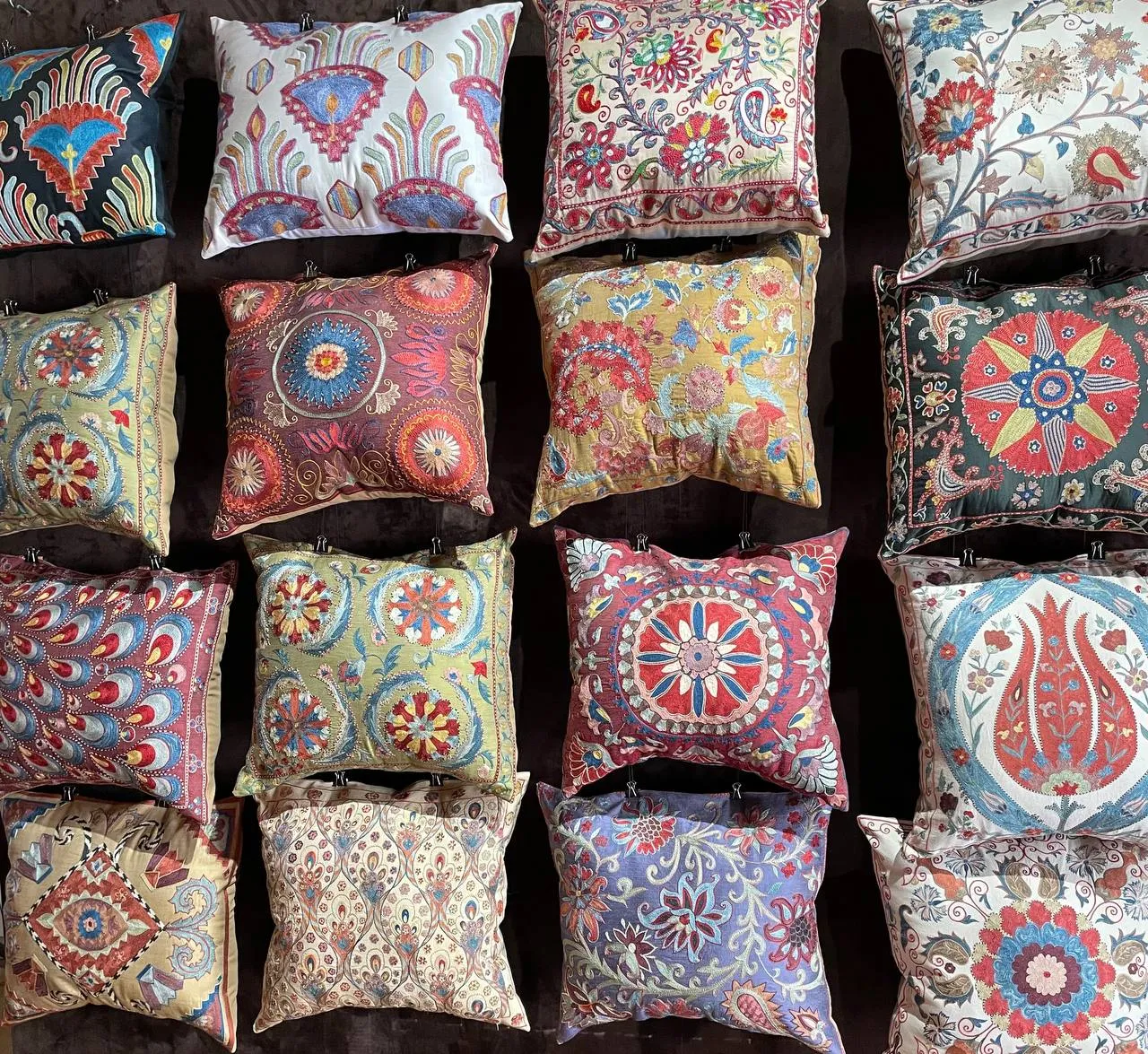
- Suzani embroidery — bold sun and pomegranate motifs stitched in silk on cotton. Often given for weddings and dowries.
- Ikat (abrbandi) silk and cotton — threads are resist‑dyed before weaving, creating shimmering patterns known as atlas and adras.
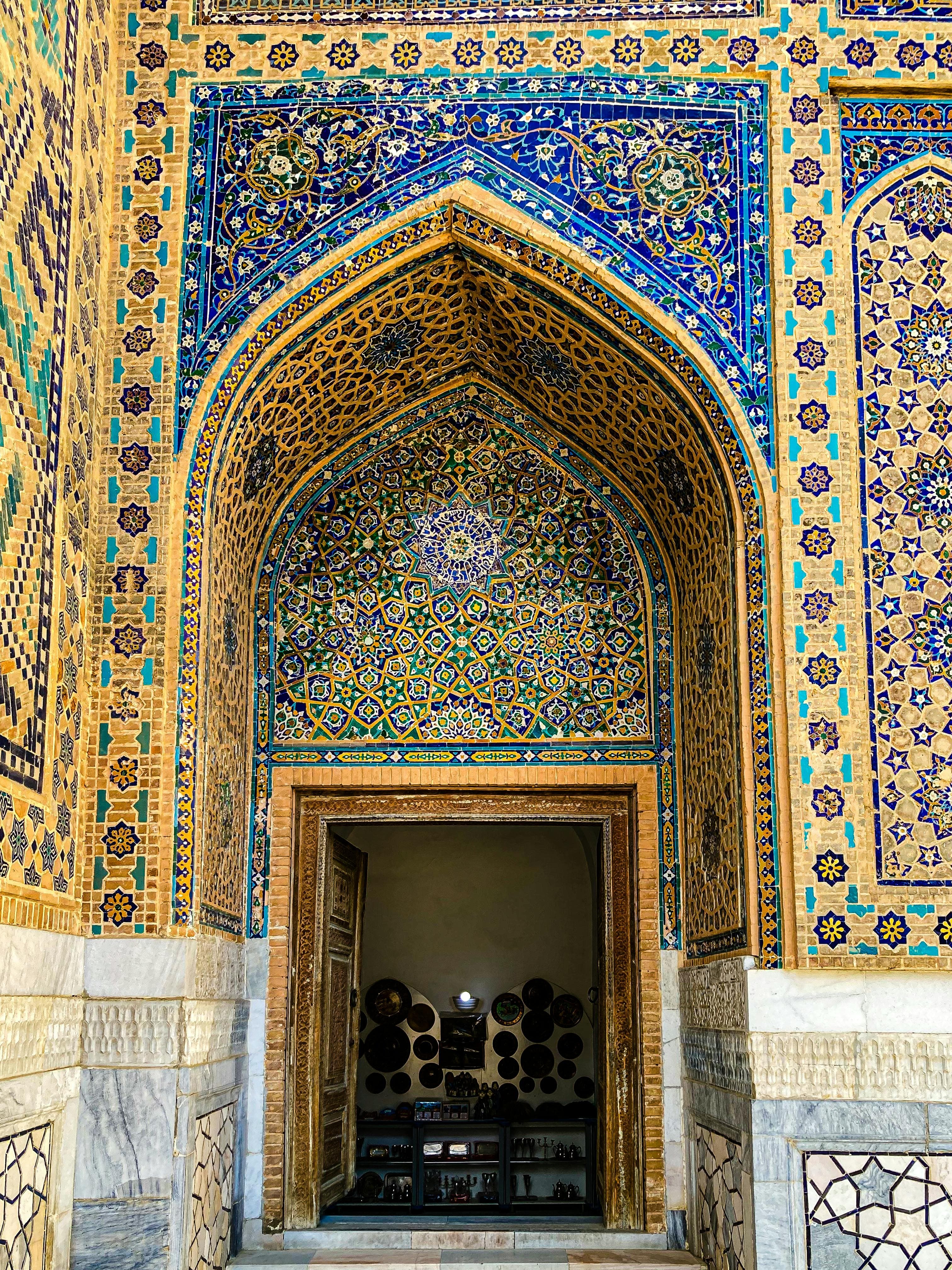
- Ceramics — turquoise and cobalt bowls and dishes, especially from Rishtan and Gijduvan, sometimes glazed with natural ishkor.
- Woodcarving — columns, doors, and koranshelves with deep floral and geometric reliefs, common in Bukhara and Khiva.
- Metalwork and knives — engraved brass, copper, and Chust knives; jewelry with filigree and granulation.
- Miniature painting and lacquer — scenes of epic poetry and everyday life on paper and boxes.
Where the craft centers are:
- Fergana Valley: Margilan for silk ikat; Rishtan for ceramics.
- Bukhara: metal chasing, jewelry, miniature painting, suzani.
- Samarkand: suzani and paper‑making; Siab bazaar for textiles.
- Khiva (Khorezm): woodcarving, carving on gypsum, dance traditions like Lazgi.
- Tashkent: contemporary studios and design shops; Chorsu bazaar for a survey of styles.
Materials and methods that define the look:
- Natural dyes from indigo, madder, walnut; cotton and silk bases.
- Hand looms for atlas/adras; pattern set in the threads, not printed.
- Wheel‑thrown clay with hand‑painted motifs; low‑temperature glazes give the signature shine.
Authenticity tips when buying:
- Ask about origin and artisan. Named masters and workshops keep consistent quality.
- For ikat, look at the back: pattern should align through the weave, not sit on top like a print.
- For suzani, slight irregular stitches mean handwork; machine stitch is too even.
- For ceramics, a clear ring when lightly tapped suggests good firing; expect minor variations.
Planning to see artisans at work? Workshops welcome visitors in Margilan (Yodgorlik silk factory), Rishtan (family kilns), Bukhara's Toki Zargaron and metal workshops, and in Ichan‑Kala, Khiva. A practical overview with addresses and context is here: Art and craft traditions of Uzbekistan.
Modern scene and heritage:
- Designers blend ikat with contemporary cuts and home decor.
- Museums in Tashkent, Samarkand, and Bukhara curate historic suzani and ceramics.
- Intangible heritage like maqom music and Khorezm's Lazgi dance sit alongside craft traditions, showing that "art" includes performance as well as objects.
Quick answers:
- What is the national art? People often point to suzani and ikat as the most recognizable, but ceramics and woodcarving are just as emblematic.
- Where to buy? Reputable workshops, museum shops, and established bazaar stalls. Avoid pieces that look mass‑printed or overly uniform.
- How to care? Keep textiles out of direct sun; dry clean or hand wash cold. Ceramics prefer hand washing and padded storage.
If you want routes that link crafts with classic sights, use this practical guide and tour ideas from Minzifa Travel: Minzifa Travel — Art & Craft Traditions. It's a handy starting point for planning studio visits and meaningful shopping.