December 19, 2025 · 1 min read
How Digital Tools Make Traveling in Uzbekistan Easier for First-Time Visitors
The Silk Road in Your Pocket: How Digital Tools Changed the Way I See Uzbekistan
A decade ago, the word "Uzbekistan" conjured images of dusty maps, difficult visa processes, and the inevitable "lost in translation" moments at remote train stations. But as I stand in the heart of Tashkent today, I realize the Silk Road has undergone a digital revolution.
For the first-time visitor, the "exotic" no longer has to mean "difficult." From the moment you begin planning to the second you order your last bowl of Plov, a few key digital tools act as your invisible guide, turning a complex journey into a seamless adventure.
The End of the Consulate Queue: The E-Visa
My journey started not at an embassy, but on my laptop. The Uzbekistan E-Visa portal is perhaps the most significant digital milestone for travelers. The days of mailing your passport away and waiting weeks in anxiety are gone. In just a few clicks and a small fee, your entry permit arrives in your inbox within days. It’s the digital "open sesame" to a world of turquoise domes.
First Step: The Airport SIM Card
I’ve learned that the first "must-have" souvenir isn't a silk scarf—it's a local SIM card. As soon as you clear customs at Tashkent International, you’ll find kiosks for providers like Ucell or Mobiuz. For about 10 USD, you get enough data to power your maps and translation apps for your entire trip. In a country where hospitality is everything, being connected allows you to share that hospitality in real-time.
The Taxi Revolution: Why Yandex Go is My Best Friend
If you’ve traveled to Central Asia before, you know the "taxi dance"—haggling with a driver in the heat, unsure if you’re paying ten times the local rate. Yandex Go has completely solved this.
It works exactly like Uber. You pin your location, see the price upfront, and a driver appears in minutes. I’ve used it to navigate the sprawling avenues of Tashkent and the narrow alleys of Samarkand. It provides a level of safety and transparency that makes the city feel instantly accessible. No more haggling; just more time for sightseeing.
Communication: Beyond the Language Barrier
While Uzbek hospitality is legendary, the language barrier can be real. I always keep Google Translate with the Russian and Uzbek packs downloaded for offline use.
But the real secret? Telegram. Everyone in Uzbekistan—from your guesthouse host to the guy selling dried apricots at the bazaar—uses Telegram. It is the lifeblood of communication here. If you need to check a late check-in or ask a guide a quick question, a Telegram message is the fastest way to get a friendly response.
Navigating the Past with the Future
I love getting lost in the old city of Bukhara, but I also love finding my way back. Google Maps has improved significantly in Uzbekistan, but I often supplement it with 2GIS, which is incredibly detailed for local businesses and public transport routes. Seeing your little blue dot moving past a 15th-century madrasah is a constant, surreal reminder of where you are.
The Human Element: When Technology Meets Minzifa Travel
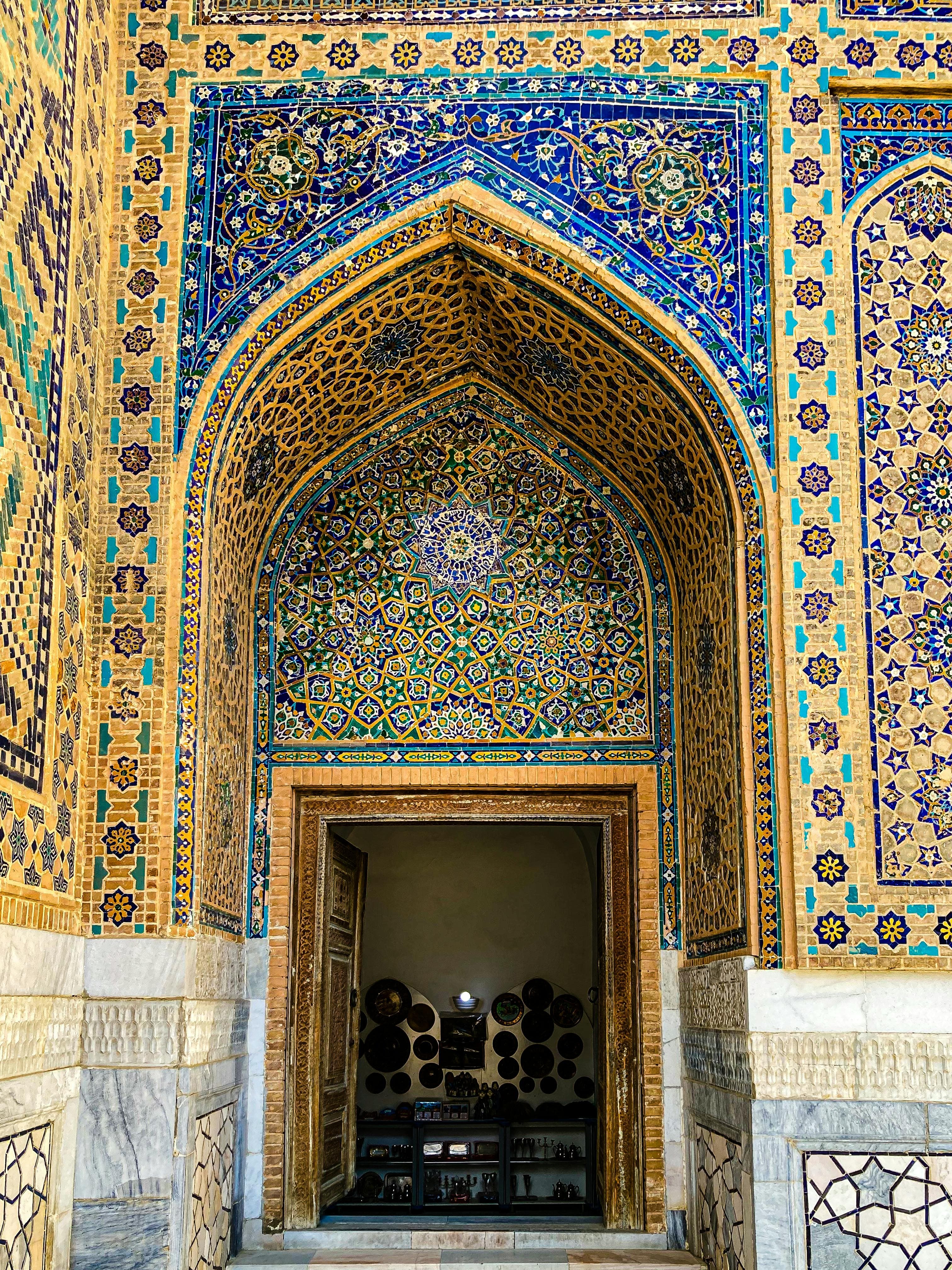
As much as I love my apps, they can’t tell you the story behind a 600-year-old mosaic or help you if a train is suddenly delayed. Technology provides the tools, but locals provide the soul.
This is where Minzifa Travel bridges the gap. While you use your phone to capture the beauty, they are in the background managing the things apps can't:
- Securing the "Un-bookable": Apps often struggle with the high-demand Afrosiyob train tickets. Minzifa secures them for you long before you land.
- The Context: A map shows you a building; a Minzifa guide tells you the legend of the architect who built it.
- Digital Concierge: They act as your ultimate "Telegram contact," ready to pivot your plans if the weather changes or a new festival is discovered.
Uzbekistan is easier than ever to explore. Let technology handle the logistics, and let us handle the magic. 👉 Start your tech-savvy Silk Road journey with Minzifa Travel