September 15, 2025 · 1 min read
Key Features of Uzbek Tradition and Customs
Uzbek traditions are practical, family‑centered, and rooted in hospitality. They grew along the Silk Road, where merchants and neighbors learned to welcome strangers, respect elders, and share food. If you plan to visit Uzbekistan—or simply want to understand its culture—this overview highlights the customs you will notice first and explains how to behave respectfully.
Hospitality and community
- Mahalla (neighborhood) life shapes everyday support, from helping at weddings to caring for elders.
- Guests are honored. A seat of respect is offered, and tea arrives quickly—often three times to show care.
- Hosts do not expect gifts, but small sweets or fruit are appreciated.
Family values and life events
- Respect for elders comes first. Younger people greet and serve them before others.
- Weddings are large community events with music, dance, and shared meals.
- Newborn celebrations and circumcision ceremonies (sunnat toʼyi) involve extended family and neighbors.
Food culture and table manners
- The table (dastarkhan) is set low and abundant. Bread (non) is sacred—do not place it upside down or throw it away.
- Plov is the signature dish, often served on Thursdays and at celebrations.
- Tea etiquette: green tea in Tashkent and Fergana is common; black tea appears more in Samarkand and Bukhara. Accept at least a small cup.
- Before eating, hosts may say a short blessing; a quiet "rahmat" (thank you) is a polite reply.
Dress and personal appearance
- Everyday wear is modern, but traditional items like the doppi (skullcap) and chapan (quilted coat) remain popular.
- For mosques and shrines, choose modest clothing: covered shoulders and knees; women may carry a light scarf.
Arts and crafts you will notice
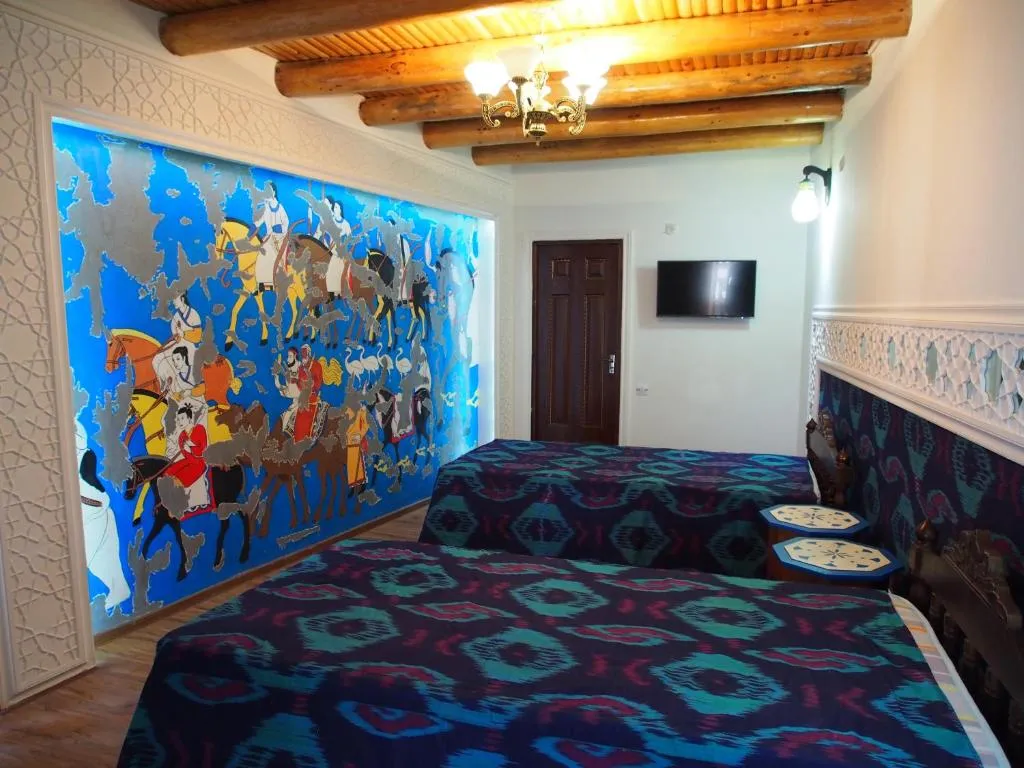
- Ikat (atlas and adras) weaving shows blurred, cloud‑like patterns created by resist‑dyed threads.
- Suzani embroidery features sun and pomegranate motifs, symbols of warmth and abundance.
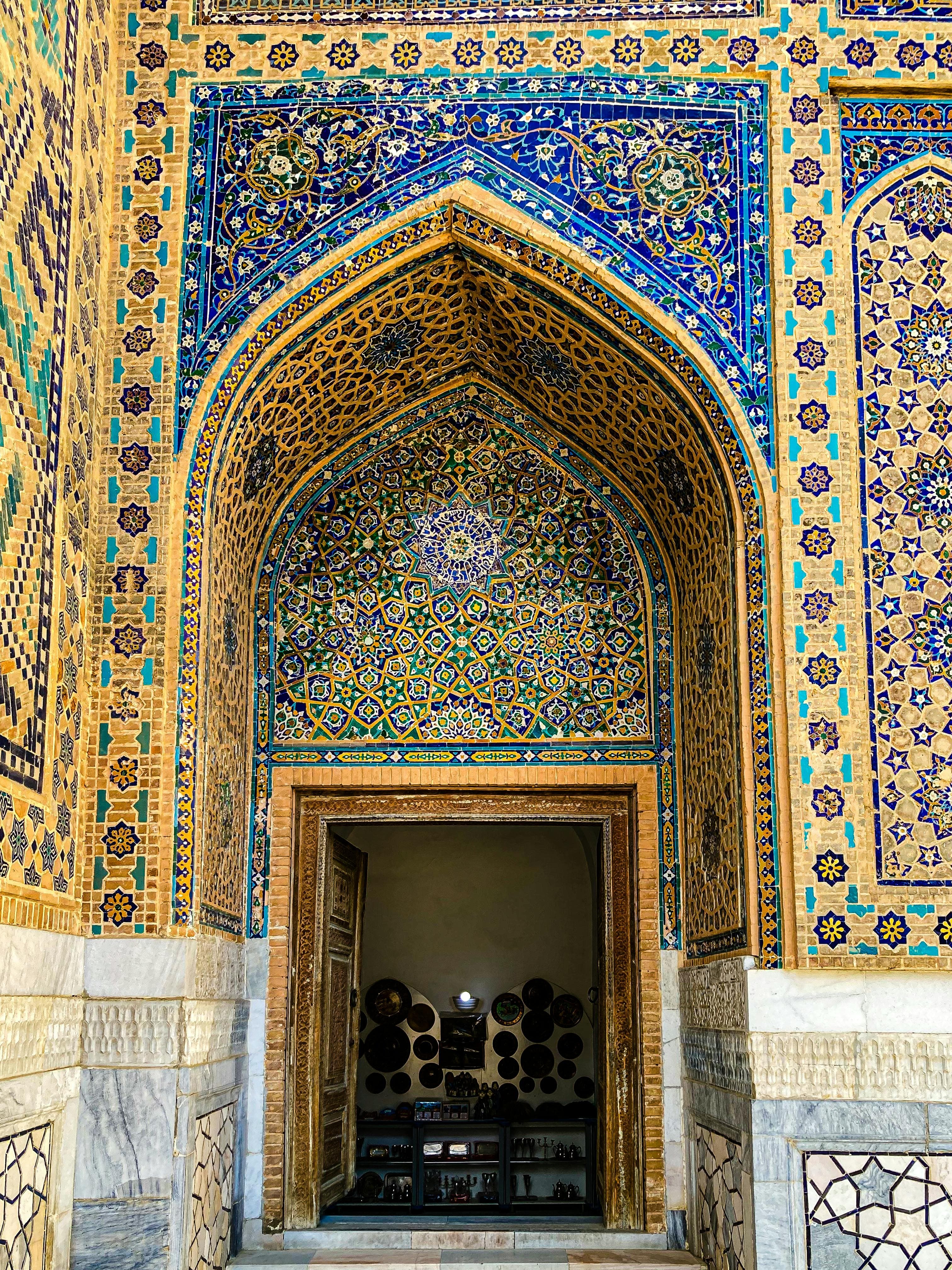
- Ceramic centers such as Rishtan and Gijduvon produce blue‑green glazes and geometric designs.
- Woodcarving and metal chasing decorate doors, stands, and tea sets.
For a deeper look at objects and their meanings, explore this helpful guide to traditional arts and crafts of Uzbekistan. It explains regional styles and what to look for at workshops and bazaars. When planning your route, keep this crafts guide handy to find authentic makers.
Festivals and calendar
- Navruz (spring equinox, around March 21) celebrates renewal with sumalak (a wheat‑sprout treat), outdoor games, and concerts.
- Ramadan and Eid are observed with family visits and shared meals. Expect shorter business hours during fasting days.
Everyday etiquette: quick starter
- Greeting: shake hands lightly; men often place the right hand over the heart. Women may nod or shake hands depending on context.
- Shoes: remove them if the host does so; socks should be clean and intact.
- Right hand rule: offer and receive items with the right hand or both hands.
- Photos: ask before photographing people, especially in markets and at religious sites.
- Bargaining: common in bazaars; keep it friendly and smile.
Regional nuances
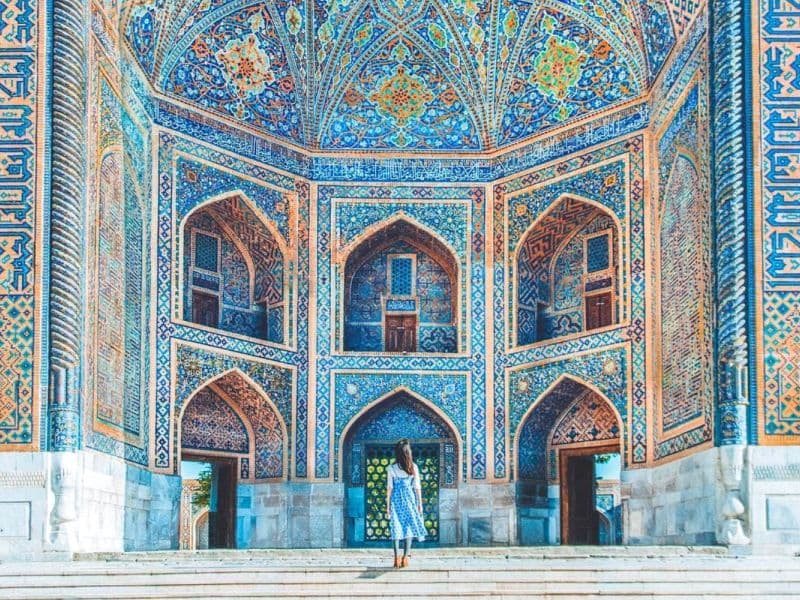
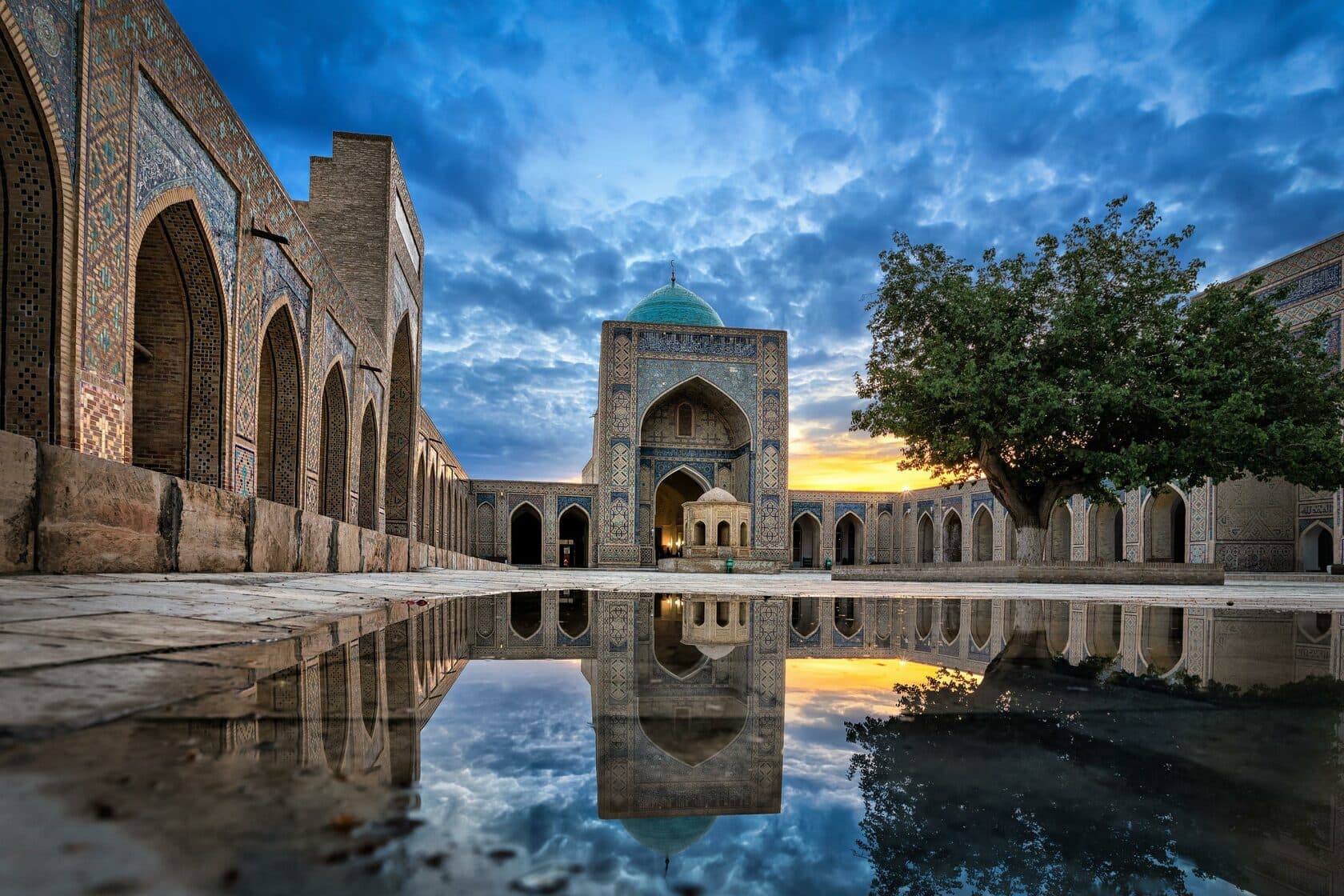
- Samarkand and Bukhara: strong Persian‑Timurid influences in architecture and sweets.
- Khiva: woodcarving and intricate tilework stand out.
- Fergana Valley: ikat weaving centers; hospitable tea culture.
- Karakalpakstan (Nukus): distinct nomadic heritage and the Savitsky Museum.
Language tips
- Hello: "Assalomu alaykum" (reply: "Va alaykum assalom").
- Thank you: "Rahmat."
- Please: "Iltimos."
- Tasty: "Mazali."
Practical tips for visitors
- Carry a light scarf and socks for religious sites and private homes.
- Accept at least a sip of tea to honor the host.
- Do not waste bread; leave uneaten pieces aside respectfully.
- When giving gifts, avoid alcohol unless you know it is welcome.
- Support local artisans by buying directly from workshops; ask about the story behind each piece.
Quick FAQ
- What makes Uzbek hospitality unique? Attentive tea service, a seat of honor for guests, and community support through the mahalla.
- Is tipping expected? Not always, but rounding up or leaving 5–10% in restaurants is appreciated.
- When is the best time to experience traditions? Spring (Navruz) and autumn festivals provide many cultural events.
Uzbek traditions are living practices rather than performances. Approach them with curiosity, patience, and respect, and you will be welcomed like a friend—often with hot tea, warm bread, and good company.