August 29, 2025 · 1 min read
Traditional Arts and Crafts of Uzbekistan Guide
Uzbekistan's craft heritage grew along the Silk Road, where trade shaped materials, colors, and motifs. Today, artisans keep those skills alive in workshops and family studios. If you're curious about the main traditions, this guide explains what they are, where to see them, and how to buy authentic pieces.
Explore more craft traditions here and plan your route with practical tips below.
Key craft traditions
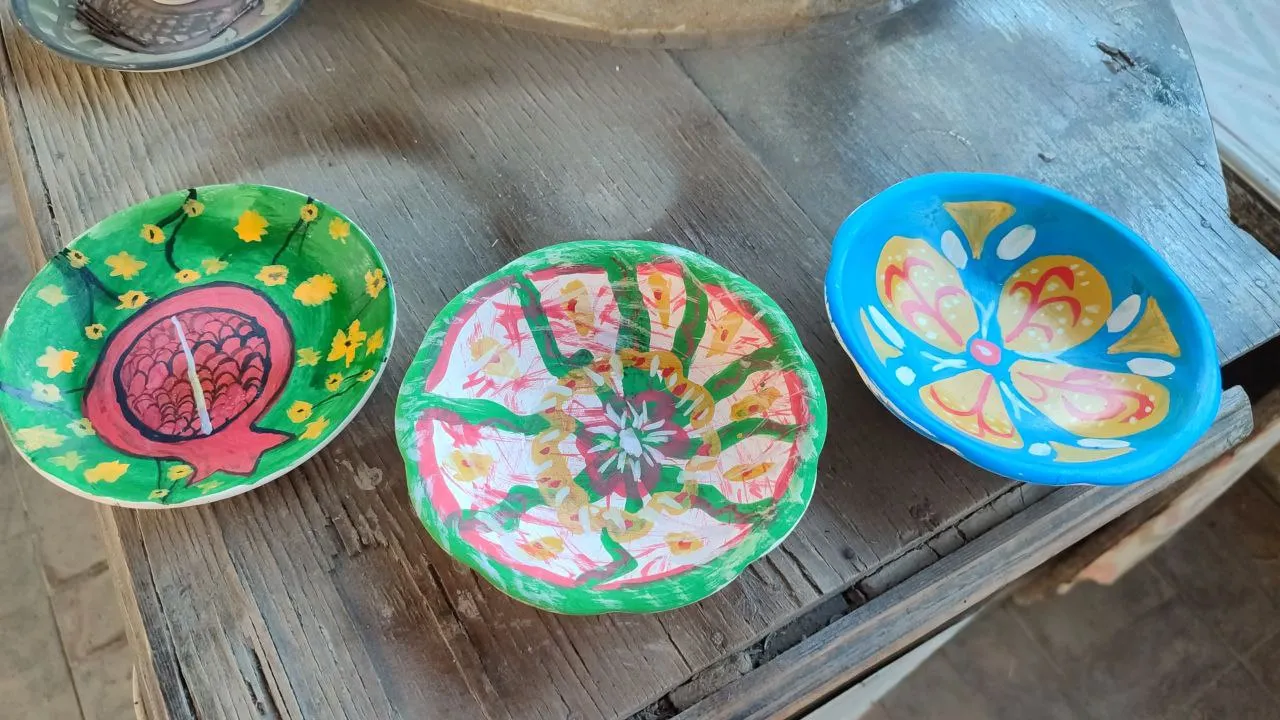
- Ceramics: Rishtan is famous for sky‑blue glazes rich in copper oxide; Gijduvan ceramics lean warmer, with ochre and brown tones and geometric borders. Look for hand-thrown shapes, slight asymmetry, and brushwork you can feel.
- Ikat weaving (atlas and adras): Threads are dyed before weaving to form blurred motifs. Atlas uses silk; adras blends silk and cotton. Patterns include "khan atlas" diamonds and bold teardrops. Quality ikat shows crisp dye boundaries and weight without stiffness.
- Suzani embroidery: Large wall textiles stitched with silk or cotton on cotton or silk base. Common motifs are pomegranates, sun discs, and vines symbolizing prosperity. Hand embroidery has slight variation in stitch length; machine work looks perfectly uniform.
- Woodcarving: Doors, columns, Qur'an stands, and small boxes feature deep relief and repeating star patterns. Traditional finishes use natural oils, not glossy lacquer.
- Metalwork and jewelry: Chasing and inlay on copper or brass dishes; silver filigree, coral and turquoise accents in jewelry. Knives from Chust have distinctive handles and patterned blades.
- Miniature painting and papier‑mâché: Scenes of court life, music, and travel painted with fine brushes on lacquered boxes and panels.
- Carpet and rug weaving: Wool and silk piles from Bukhara and Khorezm regions. Hand‑knotted rugs show knots on the back and small variations in pattern.
How to recognize authenticity
- Touch: Handcrafted items feel slightly irregular; identical pieces are often factory-made.
- Back side tells the truth: Flip a suzani or rug—knots, thread tails, and uneven backs indicate handwork.
- Materials: Natural dyes give softer, layered color; synthetics are flatter and overly bright.
- Maker story: Ask who made it, where, and how long it took. Reputable sellers know the workshop and master's name.
Where to see and buy
- Tashkent: Chorsu Bazaar (textiles, everyday crafts), State Museum of Applied Arts.
- Samarkand: Siab Bazaar, suzani and ceramics; workshops along the Registan area.
- Bukhara: Old city lanes for woodcarving, metal chasing, and miniature painting.
- Rishtan & Gijduvan: Visit potters for demos and kiln rooms.
For curated ideas and background, browse this craft overview before building your itinerary.
Buying tips and fair pricing
- Compare: Check two to three shops for the same type of item.
- Time vs. price: Complex suzani or high-knot rugs cost more due to weeks or months of work.
- Shipping: Ask for sturdy packing, tracking, and a certificate of origin if available.
- Support artisans: Buying directly at workshops keeps skills alive and money local.
Care basics
- Textiles: Keep out of direct sun; vacuum with a low‑suction brush through a mesh cloth.
- Ceramics: Hand wash; avoid sudden temperature changes.
- Wood: Dust dry; refresh with a small amount of natural oil once or twice a year.
Quick answers
- What is Uzbek ikat called? Atlas (silk) and adras (silk‑cotton).
- Best gift to pack light? Small ikat scarves, miniature-painted boxes, carved bookmarks.
- Ethical shopping? Choose shops that name the artisan and explain the process.
If you want an easy starting point with examples and context, open Minzifa Travel's guide to arts and crafts and bookmark it for your trip.