December 24, 2025 · 1 min read
Living the Nomad Legacy: Authentic Cultural Immersion
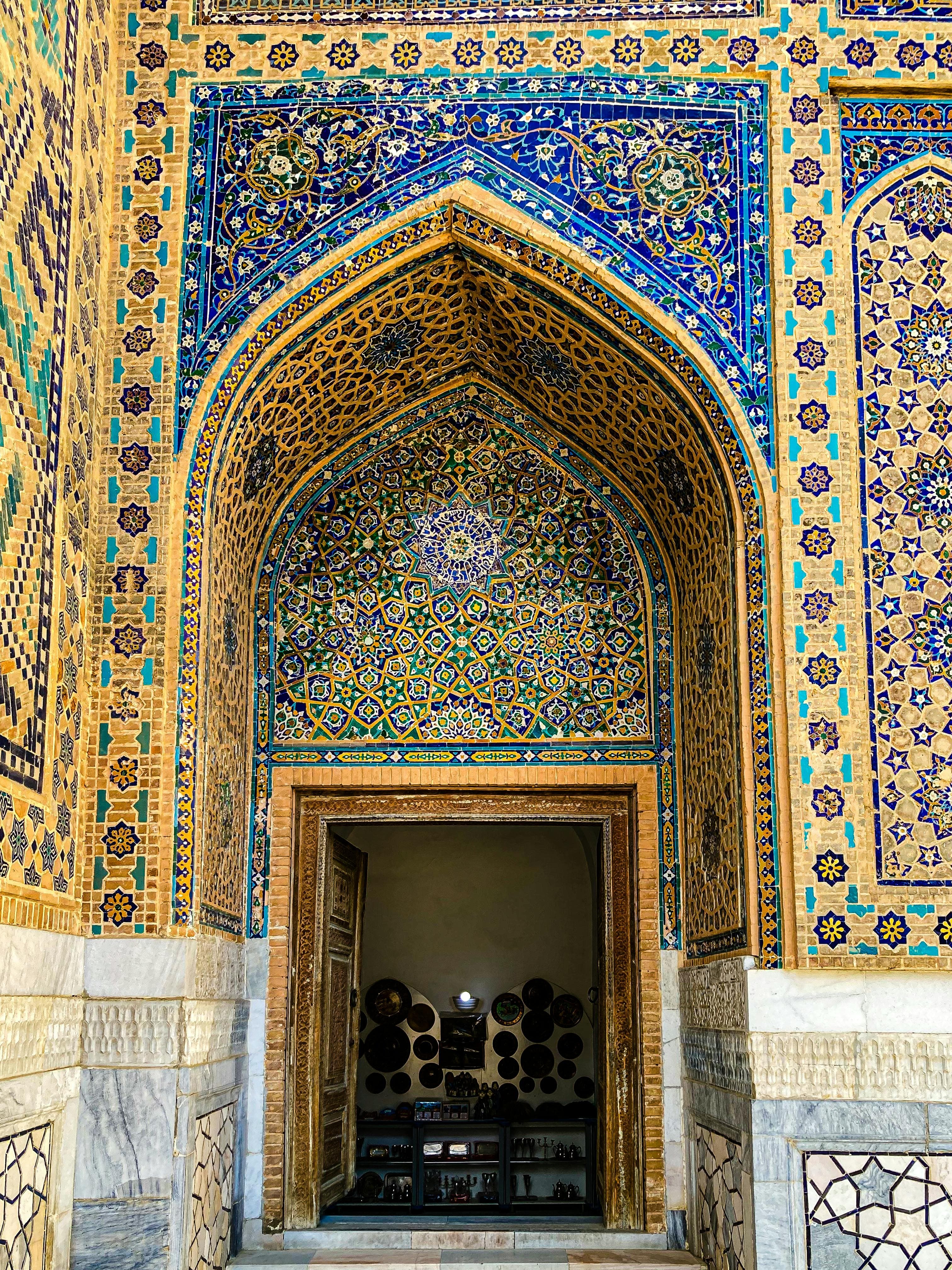
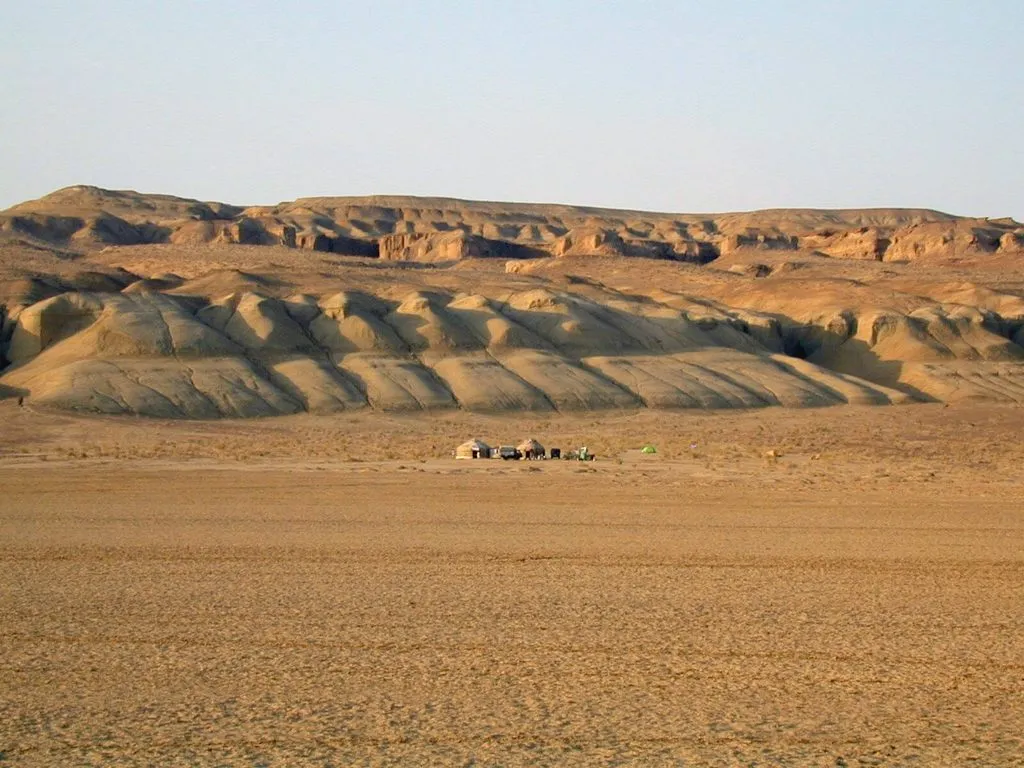
The majestic turquoise domes of Samarkand and the towering minarets of Bukhara tell a story of settled power, grand empires, and urban brilliance. But to find the other half of Uzbekistan’s soul, you have to leave the cities behind. You have to travel into the vast, silent landscapes of the Kyzylkum Desert and the Nuratau Mountains, where the ancient nomadic pulse of Central Asia still beats.
Living the nomad legacy isn't about "visiting" a site; it’s about stepping into a different rhythm of time.
The Yurt: A Microcosm of the Universe
The nomad’s home—the yurt—is more than just a tent. To the Turkic and Karakalpak tribes, it is a spiritual map. The circular floor represents the earth, and the shanyrak (the central opening at the top) is the gateway to the heavens.
Staying in a yurt camp today, such as those near Dungalak village or the Ayaz-Kala fortresses, is a sensory immersion. You’ll wake up to the scent of sun-warmed felt and wood smoke. In 2025, these camps strike a perfect balance: they maintain the authentic, rugged atmosphere of the steppe while providing comfortable mattresses and traditional meals that would make any traveler feel like a guest of honor.
The Silent Steppe: Camel Trekking and Desert Oases
To truly grasp the scale of the Silk Road, you need to see it from the back of a Bactrian camel. Unlike the frantic pace of modern travel, the slow, swaying gait of a camel forces you to notice the subtle beauty of the desert—the way the red sands of the Kyzylkum change color at dusk, or the unexpected sight of a golden eagle circling a ridge.
A highlight of this immersion is Lake Aydarkul. This massive, turquoise lake sits in the middle of the desert like a miracle. After a dusty morning ride, there is nothing more surreal—or rewarding—than swimming in these cool, still waters while herds of wild horses graze on the horizon.
Evenings of Fire and Folklore
The true nomadic legacy is oral. It lives in songs, legends, and the strings of the Dombra.
As the sun sets and the desert air cools, life centers around the bonfire. This is when the Akyn (folk singer) takes center stage. You don't need to understand the language to feel the emotion of the epic tales they tell—stories of lost loves, great warriors, and the enduring spirit of the steppe. Above you, free from city lights, the sky reveals a density of stars that most people haven't seen in a lifetime. It is in this silence, punctuated only by the crackle of the fire, that the history of the Silk Road finally feels real.
Rural Hospitality: The Heart of the Mountains
Cultural immersion continues in the Nuratau Mountains. Here, in villages like Sentyab or Hayat, families have lived in stone houses for generations.
Hands-on Life: You might find yourself helping a local family bake Non (bread) in a traditional clay oven or watching a grandmother skillfully weave a wool carpet.
The "Mehmondo'stlik" Connection: Hospitality is not a service here; it is a duty. Sharing a bowl of tea and a plate of fresh apricots with a mountain family offers an insight into Uzbek life that no museum can provide.
Experience the Steppe with Minzifa Travel
The desert is beautiful, but it is also remote. Accessing these authentic nomadic experiences requires local knowledge and reliable logistics that apps simply can't provide.
Minzifa Travel brings the legacy to you:
- Vetted Yurt Camps: We choose camps that prioritize cultural authenticity and sustainable practices, ensuring your stay supports the local communities.
- Private Desert Navigation: We provide the 4x4 vehicles and experienced drivers necessary to safely navigate the deep desert routes to the ancient Khorezm fortresses.
- Human Bridges: Our guides don't just translate; they introduce you to the families and the Akyns, turning you from a tourist into a guest.
Leave the noise of the modern world behind. Come find the silence of the nomads.
👉 Contact Minzifa Travel to book your nomadic desert adventure