December 13, 2025 · 1 min read
The Legacy of Amir Timur: Historical Impact and Modern Relevance
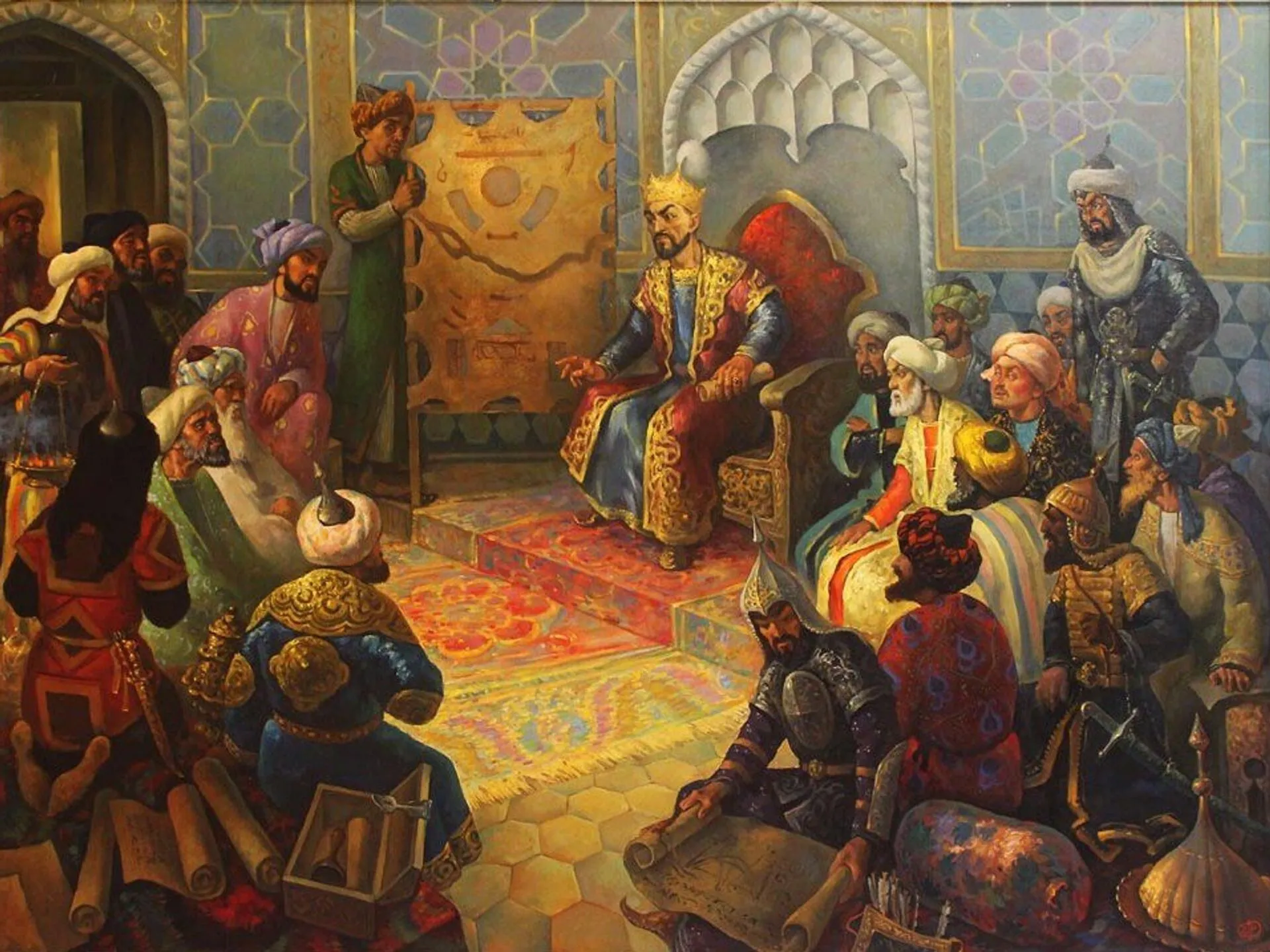
Amir Timur (Tamerlane, 1336–1405) is arguably the most consequential figure in the history of Central Asia, second only to Genghis Khan. Rising from humble origins near Shakhrisabz, he built a massive empire stretching from India to Turkey and, more enduringly, launched a golden age of culture, architecture, and science known as the Timurid Renaissance.
Today, his legacy is not just historical; it is a foundational pillar of modern Uzbek national identity, symbolizing power, intellect, and the glorious heritage of the region.
The Historical Impact: From Conquest to Renaissance
Timur's impact was dual-sided: he was a brilliant, ruthless conqueror who established one of the largest land empires in history, and an unparalleled patron of the arts who transformed the cultural landscape.
Architect of an Empire
In a series of sweeping campaigns in the late 14th century, Timur defeated the powerful Golden Horde, the Mamluks of Egypt, and the Ottoman Sultan, consolidating his power across Iran, Mesopotamia, and Afghanistan. While his military might was absolute, his lasting contribution lies in his capital: Samarkand.
The Timurid Renaissance
Timur did not just conquer; he collected. He brought back the finest artists, architects, poets, and scholars from every city he subdued, centralizing an unprecedented concentration of talent in his capital.
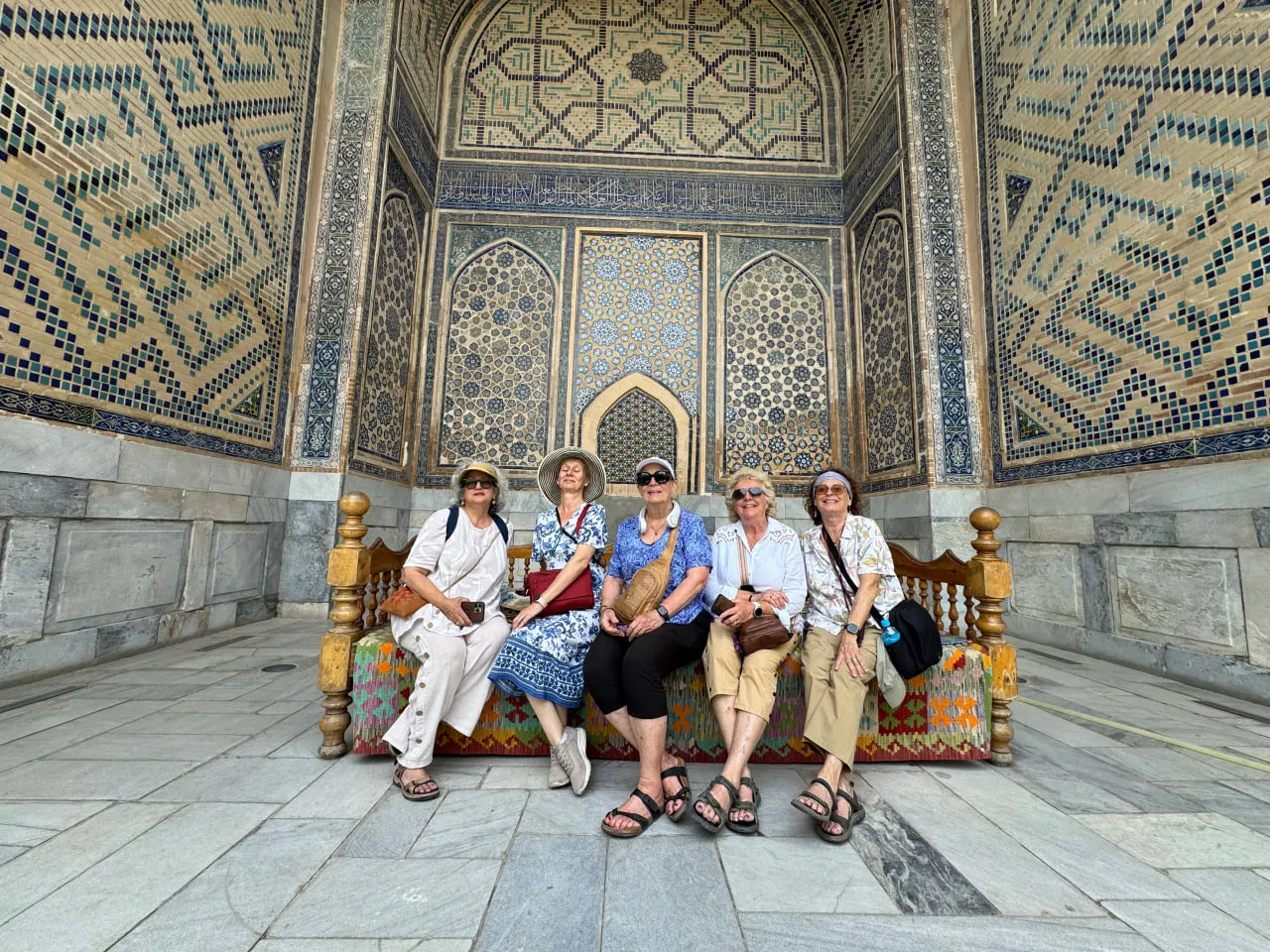
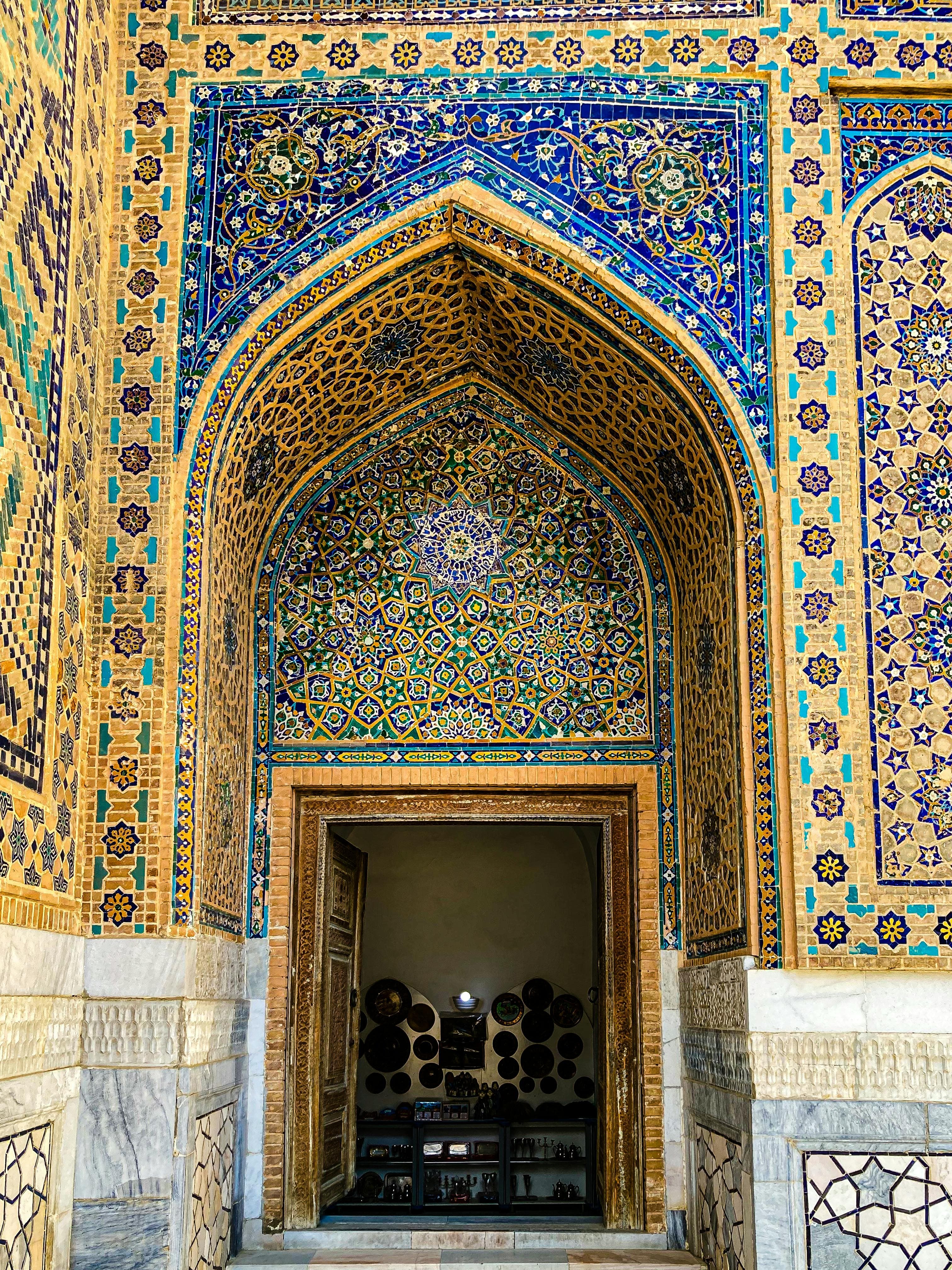
- Architecture: He personally oversaw the construction of monumental structures, including the colossal Bibi-Khanym Mosque and his final resting place, the Gur-e-Amir Mausoleum. His patronage established the definitive Timurid architectural style—characterized by the grand scale, intricate tilework in deep blues and turquoise, and soaring arches—which is the visual signature of Uzbekistan today.
- Science and Art: This renaissance was continued by his grandson, Ulugh Beg, a renowned astronomer who built a spectacular observatory in Samarkand, further cementing the empire's role as the intellectual center of the medieval world.
Modern Relevance: A National Symbol
After decades of Soviet suppression, independent Uzbekistan embraced Timur as a national hero and state symbol, repositioning him as a statesman and patron rather than solely a warrior.
The Father of the Nation
Timur represents a powerful narrative of self-determination, centralized authority, and a glorious pre-Soviet past. His image and philosophy are used to inspire modern governance and cultural pride.
- Monuments: Giant statues of Amir Timur on horseback replaced Soviet icons across the country (most notably in Tashkent), and his name graces museums and squares.
- Education: His works, including his memoirs (Timur’s Code), are studied to reinforce national values of law, military prowess, and the importance of science and culture.
- The Power of Samarkand: The meticulous preservation and restoration of Samarkand’s monuments are a direct continuation of Timur's vision, serving as a constant reminder of the country’s architectural and intellectual zenith.
Experiencing the Legacy
To understand Timur, you must visit the places he shaped:
- Shakhrisabz: Visit his birthplace, where the colossal ruins of his Ak-Saray Palace demonstrate the sheer scale of his ambition.
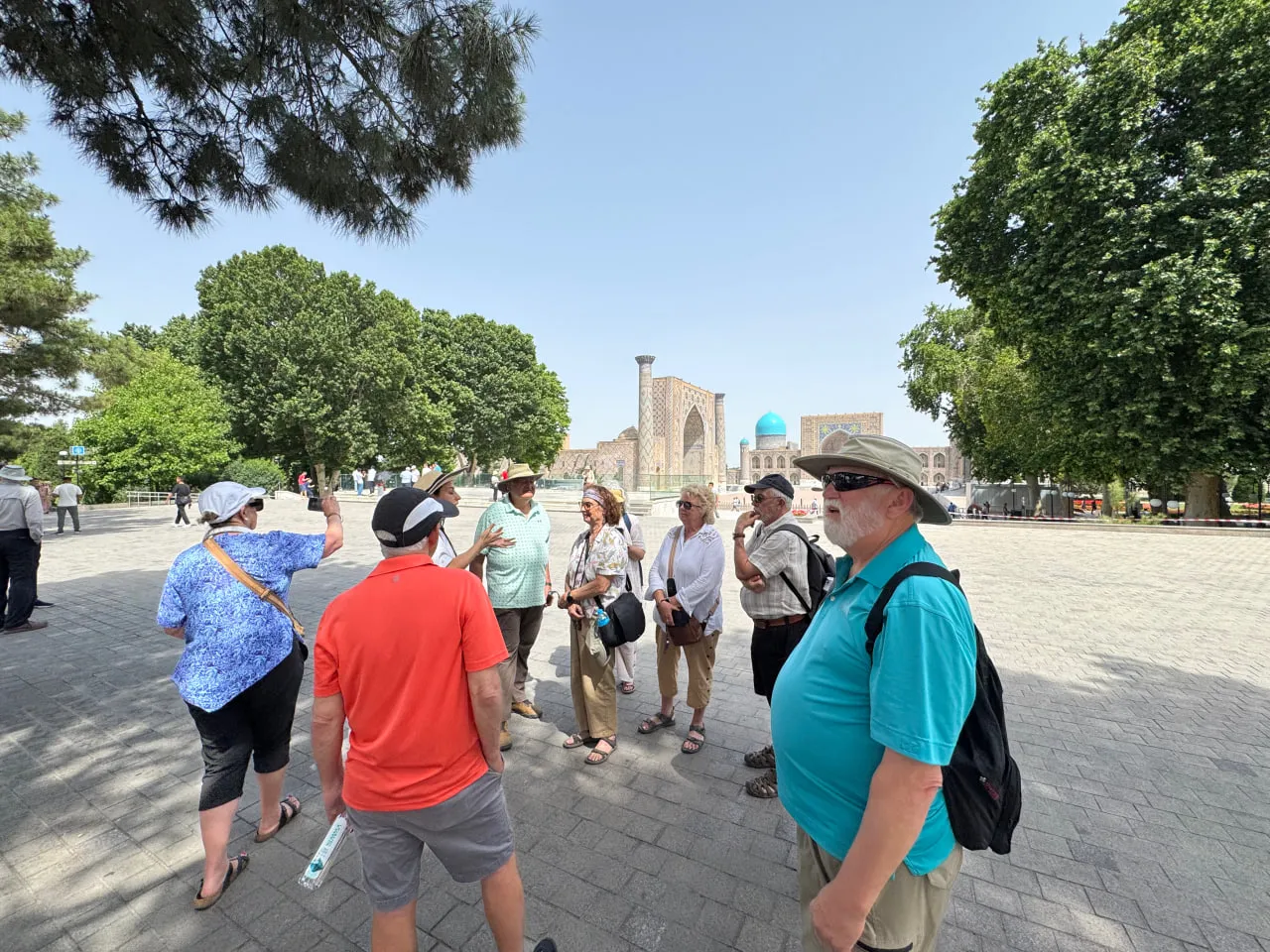
- Samarkand: Stand on Registan Square and feel the weight of his legacy, then visit the Gur-e-Amir, the stunning mausoleum where he lies alongside his sons and grandsons.
- Tashkent: Visit the Amir Timur Museum, which houses artifacts, manuscripts, and detailed exhibits tracing his life and the cultural impact of his dynasty.
Discover the Empire Builder with Minzifa Travel
Understanding Amir Timur requires more than just looking at a statue; it requires deep historical context provided by an expert.
Minzifa Travel brings the history to life:
- Expert Narratives: Our guides are trained to provide the balanced perspective on Timur, explaining his military tactics, his political genius, and his profound impact on the arts, connecting the stories on the tiles directly to modern Uzbekistan.
- Timurid Itinerary: We organize the complex logistics needed to seamlessly visit the three core Timurid sites—Tashkent, Samarkand, and his remote birthplace, Shakhrisabz.
- Cultural Connection: We ensure you grasp the enduring nature of his legacy, showing you how his aesthetic remains visible in modern Uzbek ceramics, textiles, and civic pride.
Don't just see the monuments. Understand the man who built them.
👉 Book your specialized Timurid Empire tour with Minzifa Travel