September 17, 2025 · 1 min read
The Origins of Uzbek Art and Craft
What we mean by "Uzbek art"
Uzbek art brings together centuries of techniques, symbols, and regional schools shaped by the Silk Road. From handwoven ikat and embroidered suzani to turquoise-glazed ceramics and carved wood, each piece carries influences from Persia, Turkic nomads, Sogdiana, and the Islamic Golden Age. Understanding where these traditions come from helps you read the motifs, value the craft, and choose authentic works when you travel.
If you want a concise overview with examples and photos, explore this helpful guide: Arts and Crafts of Uzbekistan: Traditions and Styles.
A short timeline of origins
- Pre-Islamic roots (Sogdiana and Bactria): vibrant wall paintings, metalwork, and trade-driven aesthetics.
- Islamic era (8–13th c.): calligraphy, geometric and floral arabesques, glazed tiles, and refined book arts.
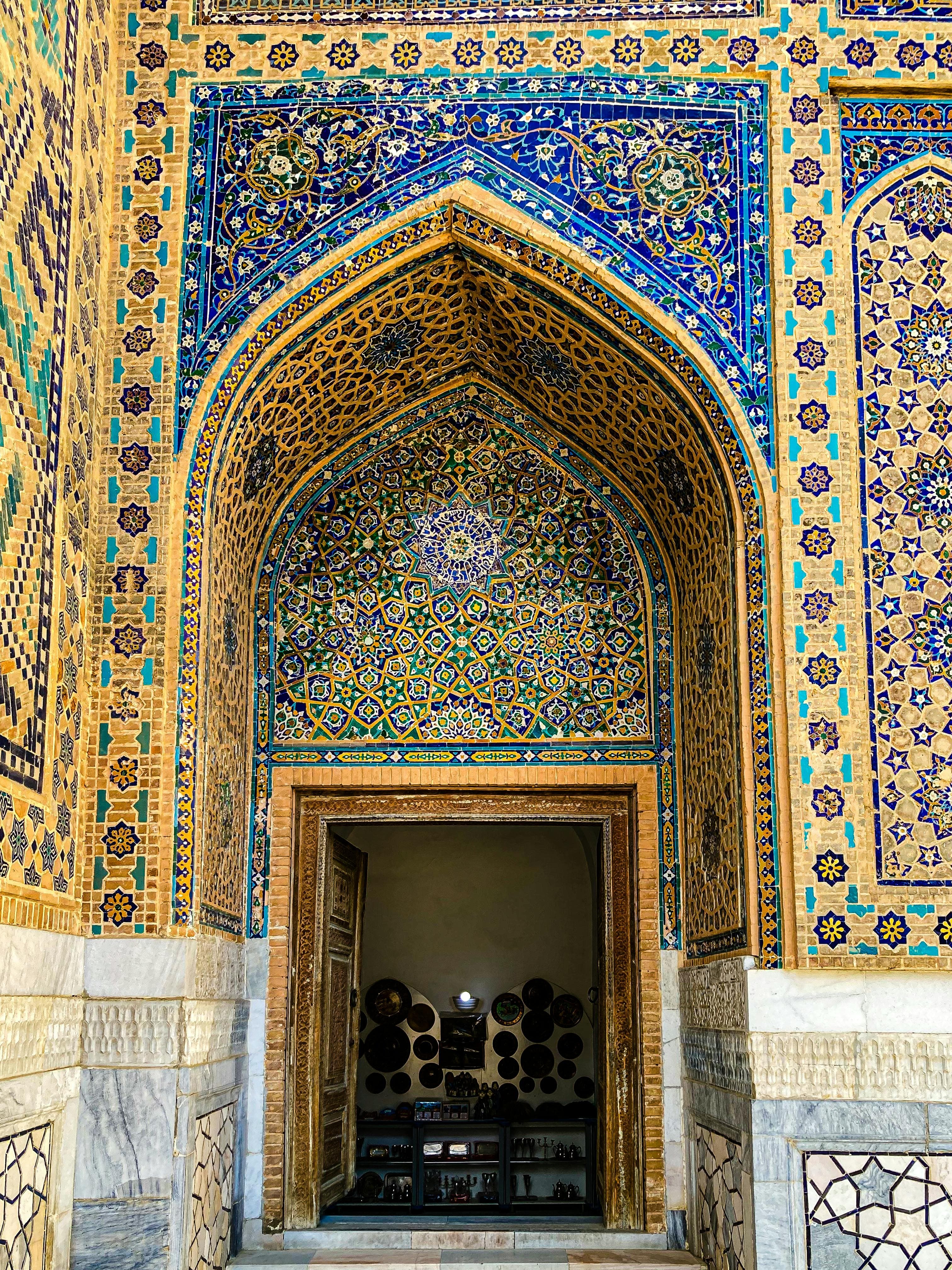
- Timurid renaissance (14–15th c.): Samarkand and Herat foster miniature painting, architecture, and applied arts; blue-tile domes become iconic.
- Khanates of Bukhara, Khiva, Kokand (16–19th c.): strong regional schools in ceramics, textiles, metalwork, and wood carving.
- Soviet period (20th c.): craft collectives preserve techniques; new design vocabularies appear.
- Independence to today: revival of heritage, export growth, and a wave of contemporary makers.
Core disciplines and what makes them unique
1) Textiles
- Ikat (abrbandi): yarn is pattern-dyed before weaving, creating shimmering, feathered motifs. Centers: Margilan (Fergana Valley). Fabrics include atlas (silk) and adras (silk-cotton).
- Suzani: large embroidered panels for dowries and home décor. Common stitches: chain, satin, couching. Motifs often include pomegranates, sunbursts, vines, and the ram's horn.
- Carpets and kilims: tribal and urban patterns, natural dyes, durable weaves.
How to read the symbols:
- Pomegranate: fertility, life, abundance.
- Buta (almond/tear): protection and renewal.
- Ram's horn (kochkar-muya): strength and prosperity.
- Water waves and birds: flow of life, good fortune.
2) Ceramics
- Rishtan: copper-rich turquoise to deep blue glazes, bold floral and geometric designs.
- Gijduvan: earthy palettes, thick brushwork, stylized birds and sun symbols.
- Khiva/Khorezm: strong blue-white contrast, clean geometric rhythm. Look for clear ring when tapped, smooth glaze, and neat footrim finishing.
3) Metalwork
- Bukhara's kandakor masters: brass and copper with chiseling, chasing, and niello inlay.
- Knifemaking: Chirchik and Fergana blades with wood or horn handles; sheath ornamentation varies by region. Care tip: dry thoroughly after use; avoid harsh chemicals on patina.
4) Wood carving and ganch
- Carved doors, columns, and Quran stands (rahlas) show layered floral and star patterns.
- Ganch (gypsum) carving for interior screens and stucco reliefs, prized for light play and shadow.
5) Miniature painting and book arts
- Timurid and later Bukhara schools refined miniature narratives, marbled papers, gilding, and bindings. Today, contemporary studios revisit these techniques on paper and leather goods.
Regional schools at a glance
- Samarkand: tilework heritage, lapis-blue palettes, and historically rich decorative programs.
- Bukhara: metalwork, suzani embroidery, and refined wood carving.
- Khiva: strong geometric ceramic styles and carved pillars in madrasas and mosques.
- Fergana Valley (Rishtan, Margilan): ceramics and ikat silk at their source.
- Karakalpakstan: the Savitsky Museum in Nukus, famed for avant‑garde collections and regional crafts.
How to tell handmade from mass-produced
- Irregularities: slight variations in weave, dye saturation, or brush lines signal the human hand.
- Back matters: on suzani, clean but visible thread paths; on ikat, pattern alignment may shift slightly at seams.
- Materials: natural fibers (silk, wool, cotton) and natural-dye depth differ from synthetic shine.
- Provenance: workshops and master names are often shared openly; sellers who explain process and origin are a good sign.
Buying responsibly and caring for your piece
- Ask about dyes and fibers; natural dyes can mellow beautifully but need gentle care.
- Support workshops that train apprentices; it helps keep the tradition alive.
- For textiles: avoid direct sun, vacuum with mesh over the nozzle, and rotate display to prevent fading.
- For ceramics: use felt pads under bases; handwash gently if functional.
- For metal: dust with a soft cloth; if polishing, test a small area first.
- Export note: antiques over a certain age may need permits. Check current rules before purchase.
For more context on styles, techniques, and where to see artisans at work, this resource is handy: Minzifa Travel's arts and crafts overview.
Where to see and learn
- Tashkent: State Museum of Applied Arts; Chorsu area for markets.
- Samarkand: craft workshops near Registan; paper-making in Koni Ghil.
- Bukhara: metalwork and suzani studios in the old town; Trading Domes for curated vendors.
- Khiva: Ichan-Kala's madrasas host wood and tile artisans.
- Fergana Valley: Margilan for ikat, Rishtan for ceramics; many masters welcome visitors by appointment.
- Nukus: Savitsky Museum for 20th-century art and regional heritage.
Quick FAQ
- What defines Uzbek art? A blend of Silk Road exchange, Islamic ornament, and strong regional schools across textiles, ceramics, metal, and wood.
- Suzani vs. ikat—what's the difference? Suzani is embroidery on cloth; ikat is pattern-dyed yarn woven into cloth.
- Best places to buy? Workshops in Margilan, Rishtan, Bukhara, and curated museum shops or reputable bazaars.
- Can I export antiques? Check current regulations; ask sellers for documentation when in doubt.
- How do I avoid fakes? Ask about process and origin, inspect finishes, and compare several pieces from the same workshop.
The takeaway
The origin of Uzbek art lies in steady exchange along the Silk Road and the patient skill of master artisans. When you know the symbols and schools, you can spot authentic work, ask better questions, and bring home pieces that last. Use trusted sources, visit workshops, and support makers who keep these traditions alive.