January 22, 2026 · 1 min read
The Plov Pilgrimage: One Dish, a Thousand Faces
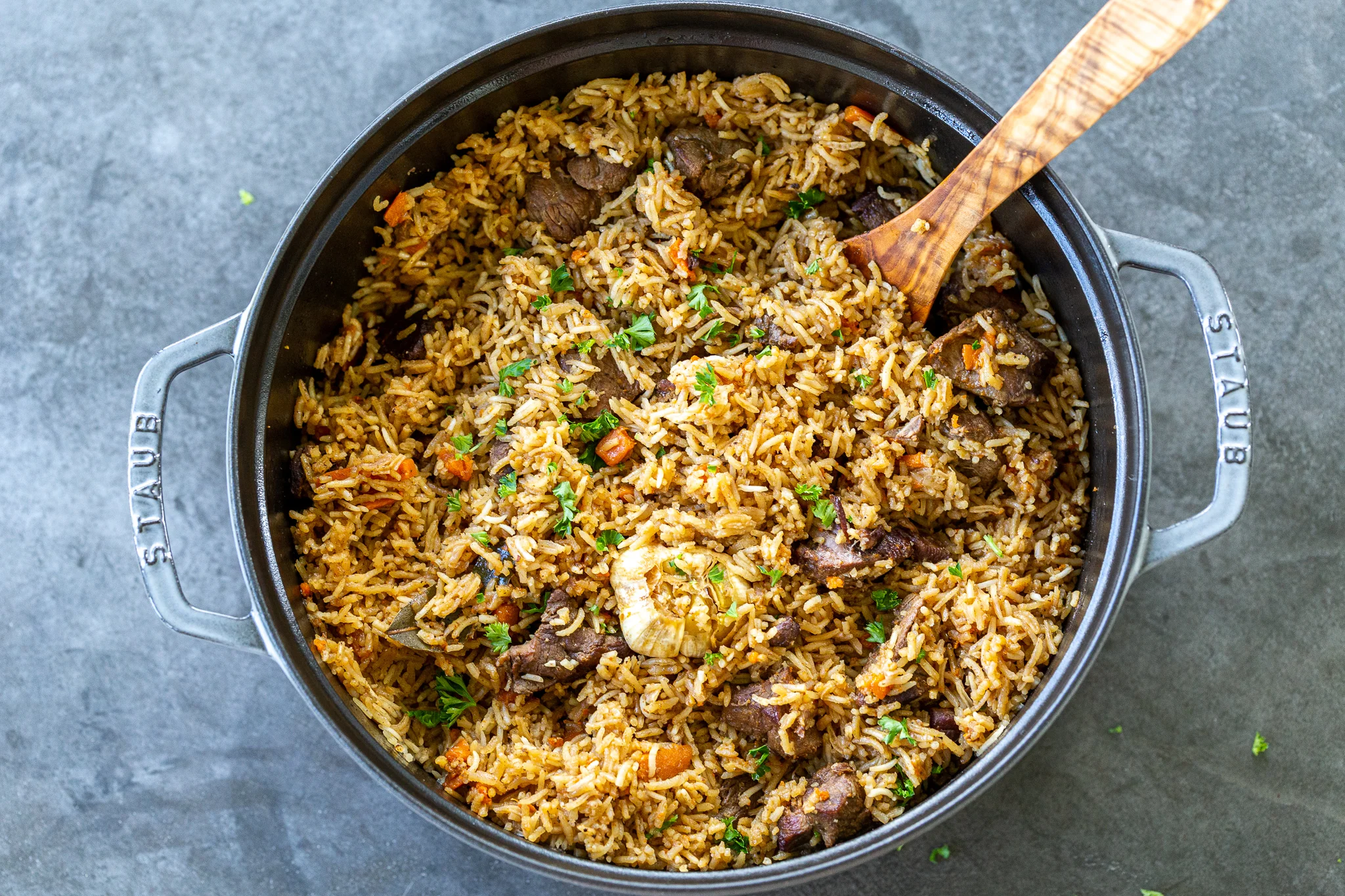
In Uzbekistan, plov (or palov) is not just a meal—it is a social glue, a symbol of hospitality, and a UNESCO-recognized masterpiece of intangible heritage. In twenty twenty-six, the "Plov Pilgrimage" has become a must-do for foodies worldwide, as travelers realize that the recipe changes with every city gate you pass.
To taste plov in Uzbekistan is to taste the history of the Silk Road in a single bowl.
The Regional Identities of Plov
While the core ingredients—rice, meat, carrots, and onions—remain the same, the technique and "soul" of the dish shift dramatically across the country.
- Tashkent (The Festive King): Often called Bayram Oshi (Wedding Plov), the Tashkent version is rich and golden. It is cooked in massive cauldrons (kazans) and features yellow carrots, chickpeas, raisins, and is often topped with delicate quail eggs and slices of kazy (horse-meat sausage).
- Samarkand (The Layered Perfection): Samarkand plov is legendary for being "light." Unlike other versions, the ingredients are layered and never stirred during cooking. The meat stays juicy at the top, while the rice steams to perfection over a bed of sweet, caramelized carrots. It is served in layers, allowing you to appreciate the texture of each element.
- Bukhara (The Oshi Sofi): This is perhaps the most unique. Traditionally cooked in copper cauldrons, it is often boiled rather than fried, making it lighter and more "dietary." The flavors are subtle, often accented by dried fruit, reflecting Bukhara’s refined and ancient culinary history.
- Fergana (The Rugged Devzira): In the Valley, they use Devzira rice—a dark, reddish, unpolished grain that absorbs massive amounts of flavor. This plov is darker, heartier, and has a distinct earthy taste that represents the fertile soil of the region.
The Ritual of the "Besh Qozon"
In twenty twenty-six, the Central Asian Plov Center (Besh Qozon) in Tashkent remains the "Mecca" of this pilgrimage.
- The Spectacle: Seeing five-ton cauldrons being stirred by masters (oshpaz) over open wood fires is a sensory experience like no other.
- The Timing: Plov is traditionally a lunch dish. To get the freshest, most flavorful portion, you must arrive by eleven-thirty AM. By two PM, the cauldrons are usually empty.
More Than a Recipe: A Symbol of Unity
Plov is the dish of life’s milestones. It is served at births, weddings, and even in times of mourning. It is a dish designed to be shared from a large communal plate (lyagan), emphasizing that no matter your status, everyone is equal at the table.
Join the Plov Pilgrimage with Minzifa Travel At Minzifa Travel, we believe the best way to understand Uzbekistan is through its flavors. We don't just take you to restaurants; we take you to the heart of the kitchen.
- Masterclasses with an Oshpaz: We arrange private sessions where you can learn the secret "golden ratio" of spices from a master chef in a traditional home.
- The Full Regional Circuit: Our tours are designed to let you compare the Samarkand, Bukhara, and Tashkent versions back-to-back, so you can decide for yourself which city holds the crown.
- Hidden Culinary Gems: We know the small, local "oshkhonas" (plov houses) where the locals eat—places you won't find in any guidebook in twenty twenty-six.
The aroma of cumin and scorched rice is calling. Are you ready for the ultimate food adventure?