September 15, 2025 · 1 min read
The Role of Uzbek Art in the World
Why Uzbek art matters globally
Uzbek art stands at the crossroads of the Silk Road, where ideas, colors, and materials have met for centuries. From hand‑woven ikat to blue‑glazed ceramics and ornate architecture, the country's creative heritage explains how cultures connect and evolve. Today, Uzbek artists and artisans continue to influence fashion, design, and museum collections worldwide, while workshops keep living traditions accessible to travelers and learners.
To dive deeper into core art forms, see this helpful overview: Uzbek art forms, crafts, textiles, ceramics.
Key art forms and why they matter
- Textiles (ikat and silk): Margilan is known for adras and atlas, fabrics made from silk and cotton with distinctive blurred patterns. These textiles show up in global runways and interiors because they pair craft authenticity with modern design needs.
- Embroidery (suzani): Large, hand‑stitched panels from Bukhara, Samarkand, and Shahrisabz tell stories with pomegranates, vines, and sun motifs. Collectors prize both vintage and contemporary suzani for their color and meaning.
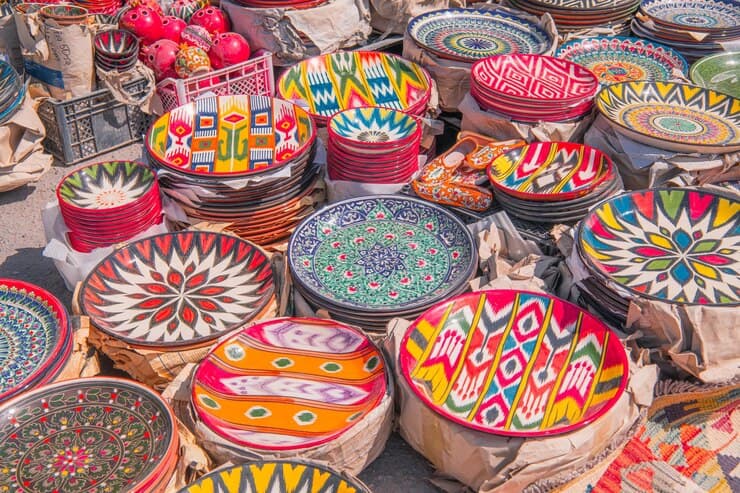
- Ceramics: Rishton and Gijduvan ceramics stand out for mineral glazes and geometric or vegetal patterns. The famous "ishkor" (plant ash) glaze gives a vivid blue‑green finish that museums and chefs love for tables and displays.
- Wood carving and metalwork: Doors, columns, and decorative boxes feature deep carving; brass and copperware add engraved detail to homes and tea houses.
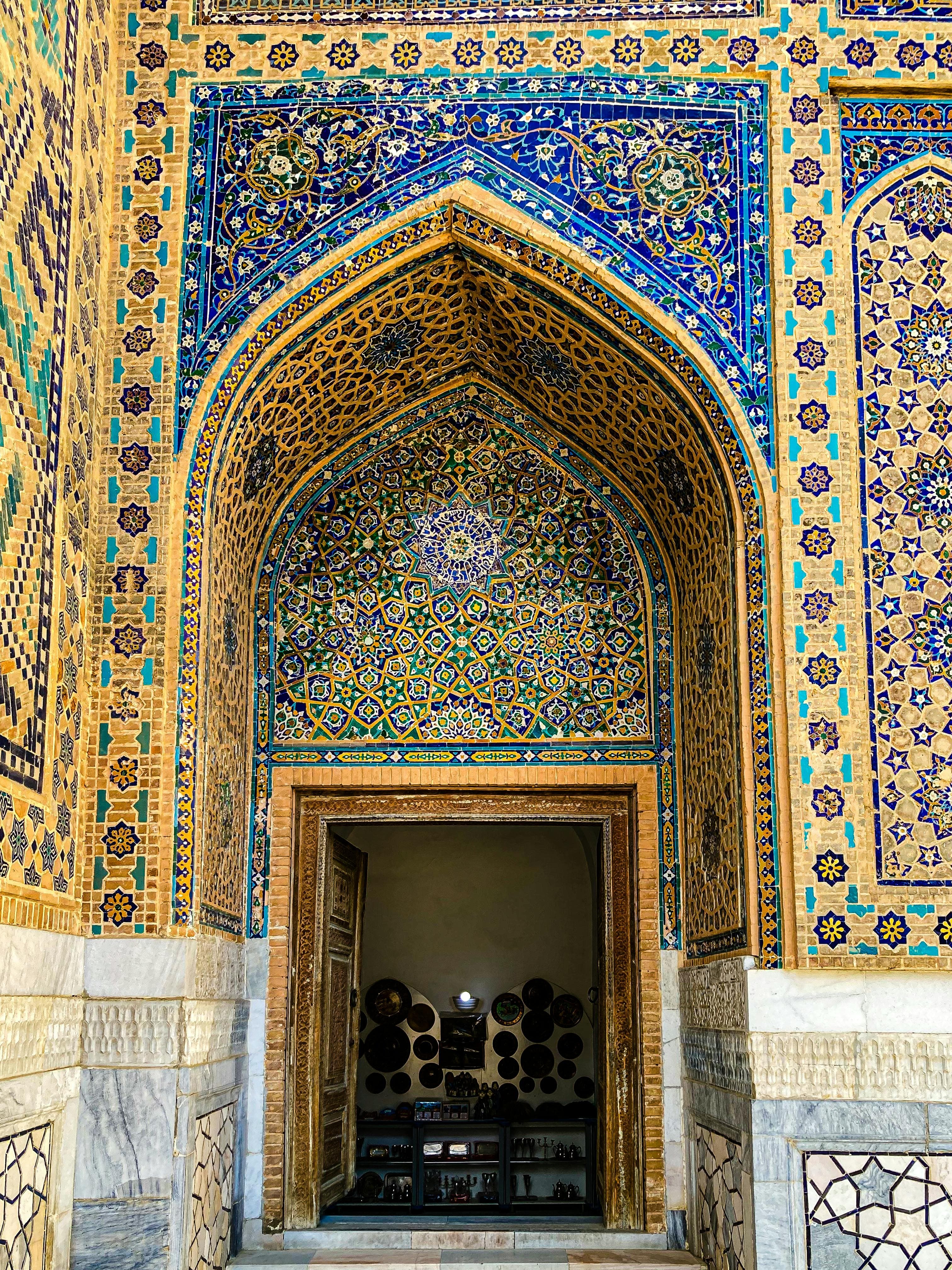
- Architecture and tilework: The domes and portals of Samarkand, Bukhara, and Khiva are visual references in global architecture and graphic design—think turquoise tiles, Kufic scripts, and symmetric stars.
You can explore examples and travel ideas here: guide to Uzbek crafts and ceramics.
Global impact today
- Fashion and interiors: Designers and stylists use Uzbek ikat for statement jackets, cushions, and wall panels. The blend of natural fibers and bold patterns fits both minimalist and eclectic spaces.
- Museums and galleries: Major institutions display Uzbek textiles, ceramics, and architectural fragments to tell Silk Road stories and techniques like natural dyeing and hand‑knotting.
- Education and exchange: Workshops in Margilan, Rishton, and Bukhara host visitors who want to learn weaving, pottery throwing, or embroidery basics. These programs help sustain artisan families and pass skills to a new generation.
- Contemporary art: Biennales and international fairs showcase emerging Uzbek painters, photographers, and installation artists who reinterpret heritage through modern themes—urban change, memory, and identity.
Where to experience Uzbek art in person
- Tashkent: State museums, contemporary galleries, and artisan boutiques; a good start for context and curated selections.
- Samarkand: Registan tilework and Siab Bazaar for textiles; nearby workshops demonstrate dyeing and weaving.
- Bukhara: Toki Zargaron and trading domes for jewelry and suzani; medressas often host artisan studios.
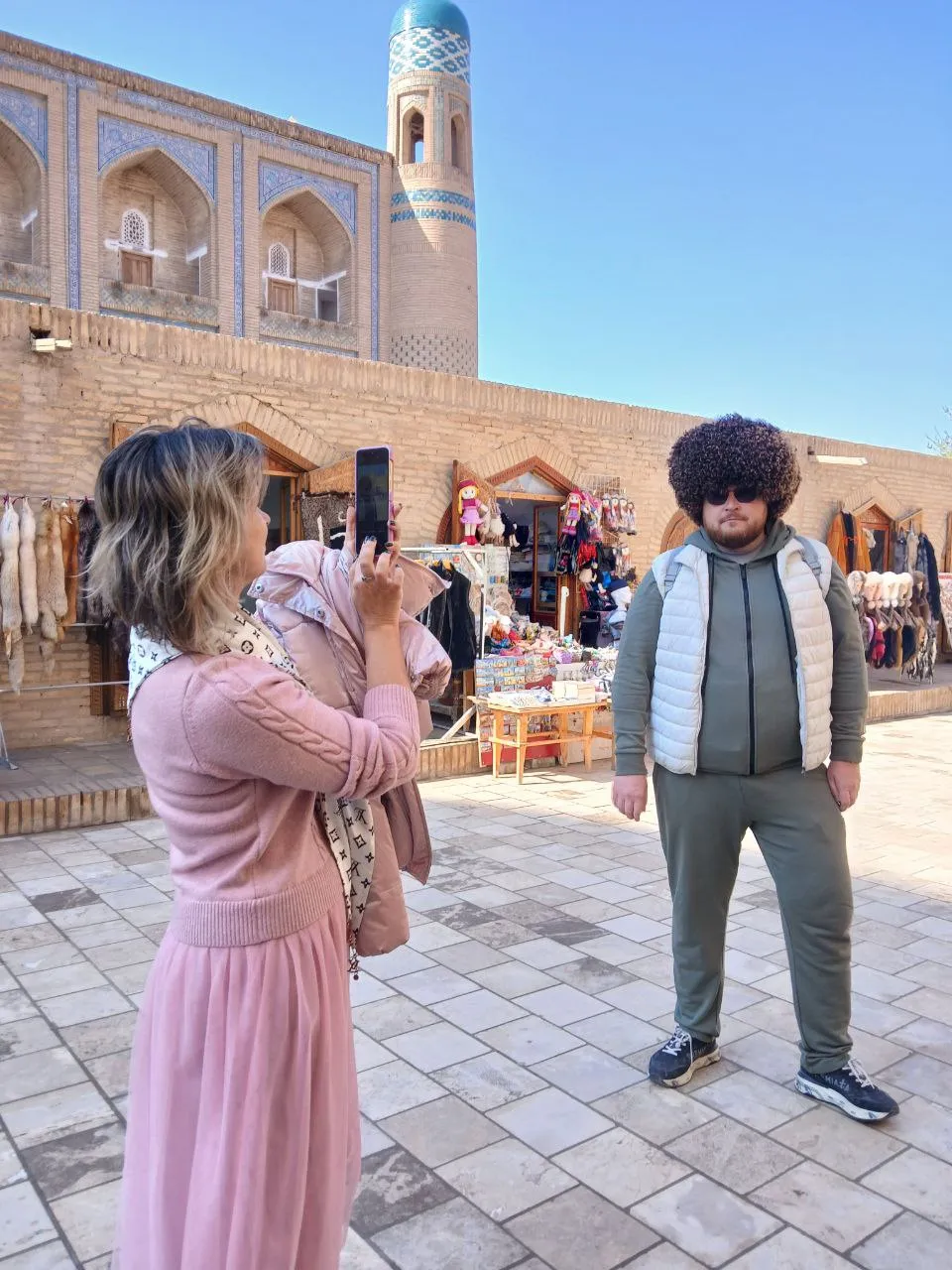
- Khiva: Ichan‑Kala's wood carving and ceramics; compact and walkable for focused craft shopping.
- Ferghana Valley: Margilan (silk, ikat looms) and Rishton (ceramics kilns) for hands‑on visits.
For a practical overview of what to see and buy, check this article: Uzbek art forms, crafts, textiles, ceramics.
How Uzbek art travels well
- Timeless patterns: Star grids, pomegranates, and islimi vines read clearly across cultures, making them easy to adapt to modern products.
- Natural materials: Silk, cotton, clay, and wood age well and develop character, which appeals to sustainable design.
- Repairable and teachable: These crafts favor maintenance and skill transfer, unlike disposable goods.
Buying authentic pieces: quick checks
- Textiles: Real silk has a soft sheen and irregular slubs; cotton‑silk blends feel slightly firmer. Hand‑dyed ikat shows pattern shifts along the yarn lines.
- Suzani: Look for back‑side stitches that are not perfectly machine‑regular. Minor asymmetry is a sign of human work.
- Ceramics: Hand‑thrown bowls have a slightly varied rim; foot rings may show tool marks. Traditional ishkor glazes give depth rather than flat shine.
- Documentation: Reputable workshops share the maker's name, materials, and process; ask for care instructions.
Care tips
- Textiles: Keep away from direct sun; dry clean silk; spot clean cotton gently. Rotate display pieces to prevent fading.
- Suzani: Use a cotton liner when hanging; vacuum on low through a mesh if needed.
- Ceramics: Hand wash; avoid sudden temperature changes; use felt pads to protect shelves.
Sustainability and community
Buying directly from artisans supports families and keeps workshops active. Many studios offer fair pricing, apprenticeships, and safe dye practices. If you plan a trip, include time for studio visits—learning the process often makes you value the piece more and helps the craft endure.
Sample 3–5 day art‑focused route
- Day 1: Tashkent museums and a gallery walk.
- Day 2: Samarkand tilework, Siab Bazaar, evening craft talk.
- Day 3: Bukhara suzani studios and metalwork shops.
- Day 4–5: Ferghana Valley—Margilan weaving and Rishton ceramics workshop.
For curated tips and deeper background, start with this resource: Uzbek crafts and textiles guide.
Quick answers
- What is Uzbekistan most known for in art? Ikat silk, suzani embroidery, blue‑green ceramics, and monumental tilework.
- Is it worth buying on the spot? Yes—prices are fair, and you can verify quality and origin directly with the maker.
- Can pieces be shipped? Many workshops and shops offer packaging and international shipping; ask about insurance and lead times.
Uzbek art connects history with daily life. Whether you hang a suzani, set a table with Rishton bowls, or learn to tie a warp on an ikat loom, you participate in a living tradition that continues to inspire the world.