December 15, 2025 · 1 min read
The Soul of Uzbekistan: Music, Dance and Traditional Crafts
The soul of Uzbekistan is not only preserved in stone and tile but vibrates in the subtle rhythm of a classical melody, swirls in the movements of a traditional dance, and shines in the intricate colors of a woven fabric. This is a culture defined by its depth, its joy, and its continuous connection to the Silk Road’s aesthetic traditions.
To truly understand the country, you must engage with the arts that flow directly from the heart of its people.
The Sound of the Silk Road: Music and Poetry
Uzbek musical traditions are among the richest in Central Asia, deeply influenced by Persian poetry and nomadic folklore.
Shashmaqom: The Classical System
The pinnacle of Uzbek and Tajik classical music is Shashmaqom ("Six Maqams"). This highly complex, formalized system of melodic and rhythmic composition is a UNESCO-recognized Masterpiece of Oral and Intangible Heritage. It blends instrumental pieces with vocal sections set to classical Sufi poetry. Hearing a live performance, often accompanied by instruments like the tanbur (long-necked lute) and doira (frame drum), is a profound, meditative experience.
Regional Rhythms
Beyond the classical tradition, regional folk music thrives:
- Khorazm (Khiva): Features powerful, dramatic vocal styles reflecting the rugged desert landscape.
- Fergana Valley: Known for its lighter, more lyrical melodies and songs performed in tea houses.
Movement and Meaning: Traditional Dance
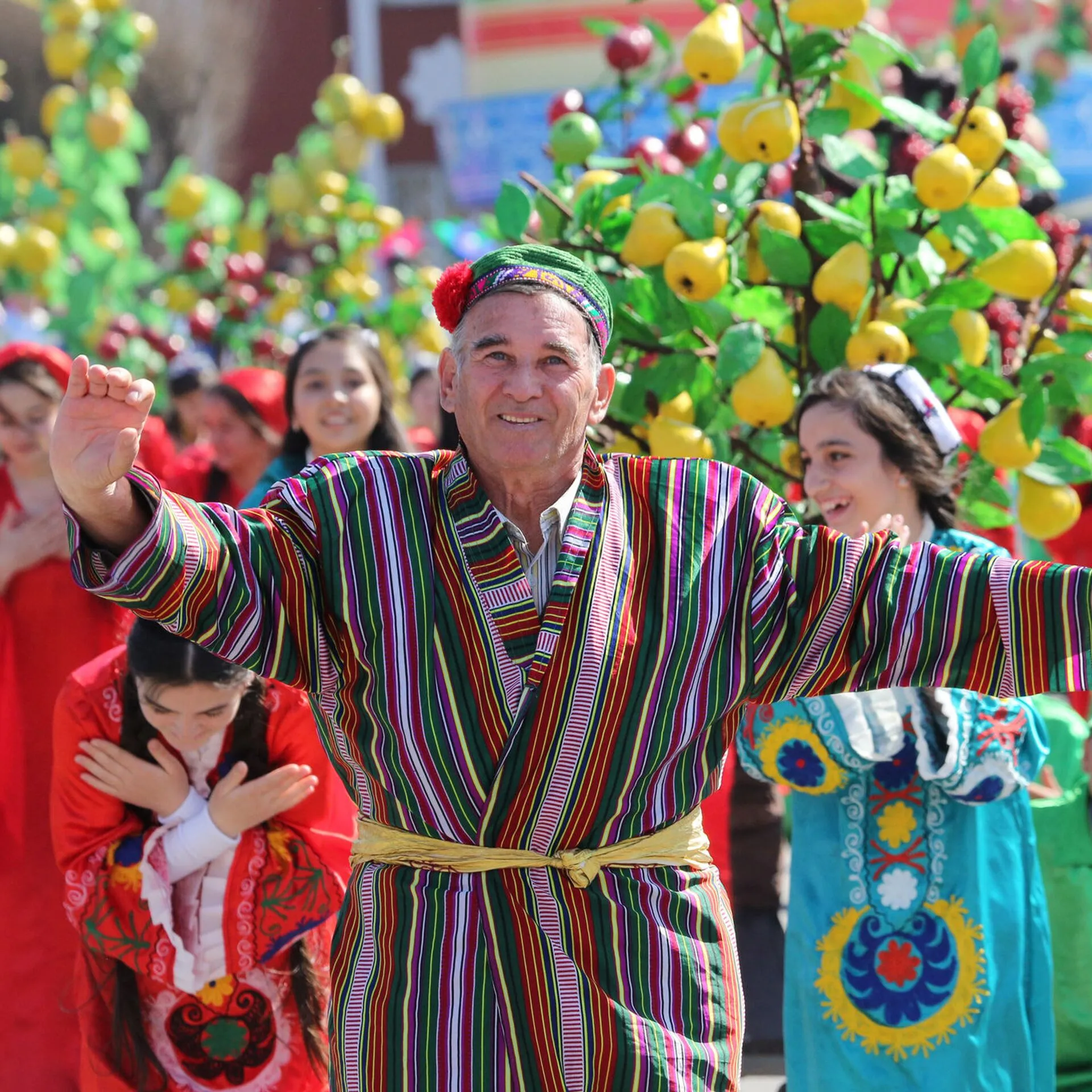
Uzbek dance is rich in regional variation, using expressive gestures and elaborate costumes to tell stories.
The Three Styles
Uzbek dance is generally divided into three major styles, each reflecting the culture and environment of its origin:
- Bukhara (Classical Court Dance): Characterized by intricate, rapid hand movements, a graceful posture, and fluid, yet precise turns. It is stately and elegant, reflecting the court life of the Emirate.
- Khorazm (Khiva): Known for its energetic, robust movements, often featuring shimmies and playful, rhythmic steps that sometimes mimic the movements of animals or the tough life of the desert. The Lazgi dance is the most famous example of this style—joyful and demanding.
- Fergana (Valley Dance): Characterized by smooth, gliding movements, expressive facial gestures, and deep lyricism, often accompanying folk songs and poems.
The Language of the Hand: Traditional Crafts
Uzbekistan’s handicrafts are the physical evidence of its cultural genius, transforming everyday objects into masterpieces.
Textiles: The Color of History
- Ikat: The complex craft of creating the blurred, feathered patterns of Ikat fabric involves meticulously tying and dyeing the silk threads before they are woven. The resulting textile is a masterpiece of precision and vibrant color, with the Fergana Valley being the global center of this art.
- Suzani: Meaning "needlework," Suzani refers to the hand-embroidered textiles traditionally created by women for dowries. Every motif—from pomegranates (fertility) to chili peppers (protection)—is symbolic, turning the embroidery into a family history stitched in silk.
Ceramics: The Blue Legacy
Ceramic traditions vary dramatically by region:
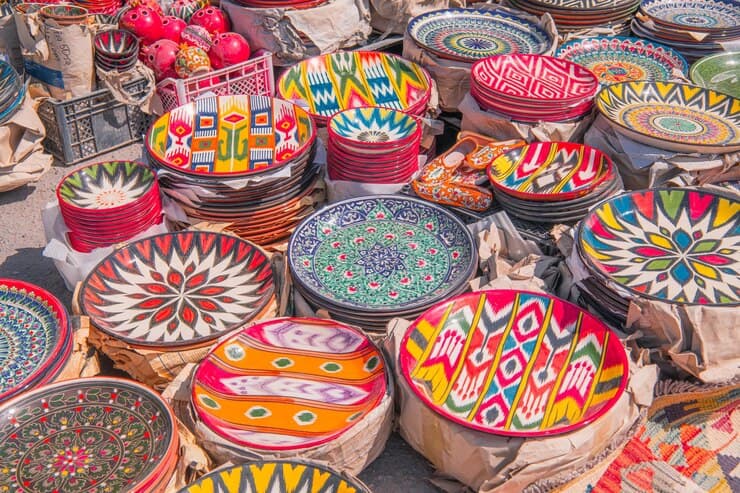
- Rishtan (Fergana Valley): Famous for its beautiful, intense blue and turquoise glazes, often decorated with stylized patterns inspired by plants and nature.
- Gijduvan (Bukhara Region): Uses a distinctive green and brown palette, with more robust, often yellow-based designs.
Experience the Soul with Minzifa Travel Finding the true sources of these arts—the hidden workshops, the best local Choyxonas for music, and the authentic dance performances—requires local expertise and connection.
Minzifa Travel curates your artistic journey:
- Workshop Access: We arrange direct, private visits to workshops in Margilan (for Ikat), Gijduvan (for ceramics), and Bukhara (for Suzani), allowing you to meet and learn from the master artisans.
- Live Performances: We secure access to high-quality, live Shashmaqom or Lazgi performances, often held in historical madrasahs or intimate settings.
- Deep Context: Our guides explain the meaning behind the symbols on a Suzani or the history of a musical composition, transforming observation into understanding.
Don't just see the sights—feel the soul of the Silk Road.
👉 Book your immersive Art, Music, and Crafts Tour with Minzifa Travel