August 28, 2025 · 1 min read
Traditional Art: Definition, Forms and Examples
Traditional art is the creative practice passed down within a culture, using time-tested methods, materials, and meanings. It can be centuries old or made today by living masters. What makes it "traditional" is continuity: shared techniques, symbols, and standards that communities recognize and value.
Key traits
- Continuity of practice and training (often master–apprentice)
- Recognizable techniques, motifs, and tools
- Local or customary materials
- Community validation (ritual, everyday use, or status)
- Function and beauty working together
Traditional vs. folk vs. classical vs. contemporary
- Traditional art: living heritage rooted in custom; can evolve slowly.
- Folk art: community-based expressions by non-academically trained makers; overlaps with traditional.
- Classical (court/academic) traditions: formal schools, can also be traditional (e.g., miniature painting).
- Contemporary art: made in the present with individual authorship and new concepts; may draw on traditional methods.
Common forms
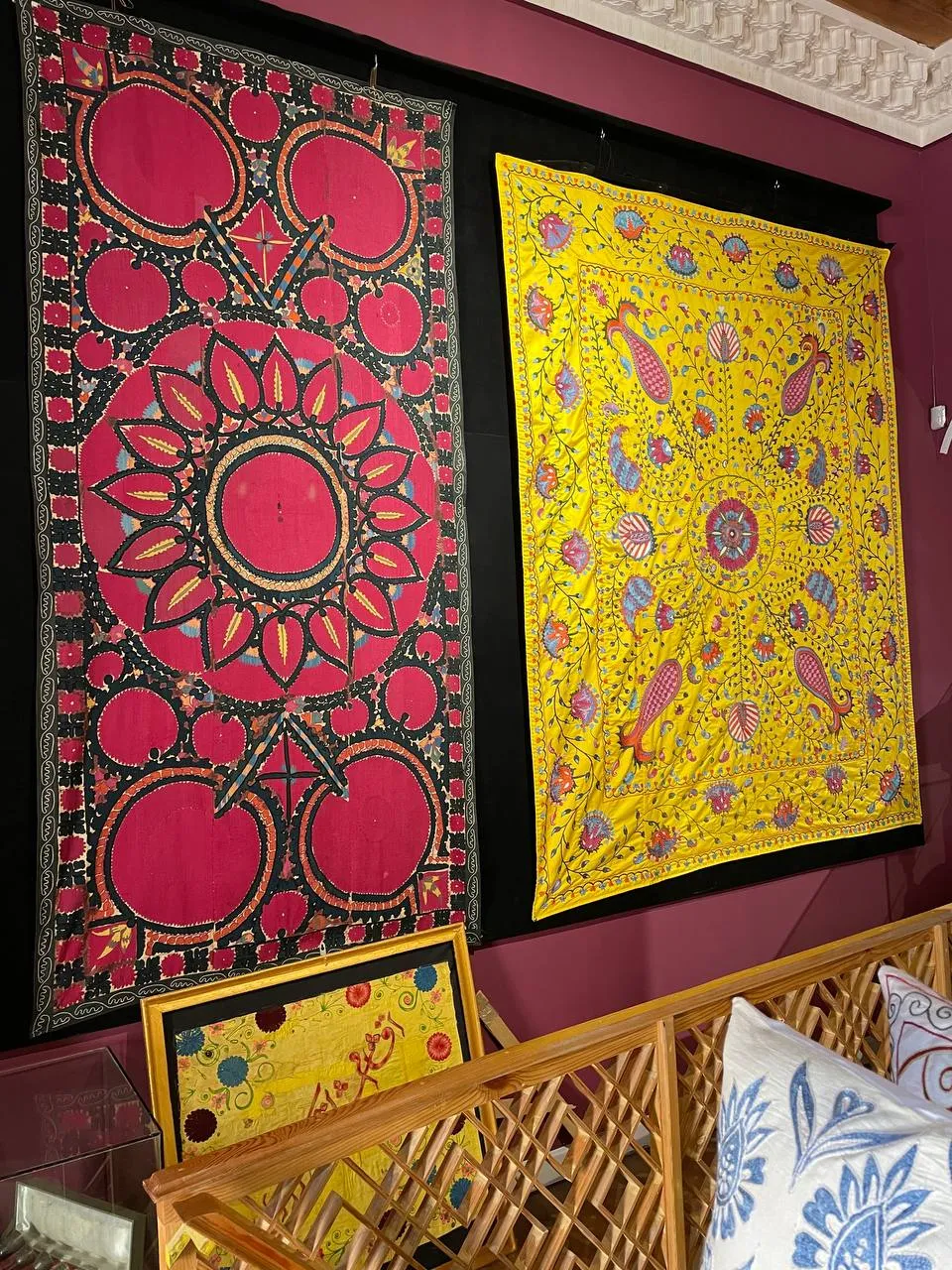
- Textiles: weaving, dyeing, embroidery (e.g., suzani and ikat)
- Ceramics: hand-thrown, hand-built, region-specific glazes
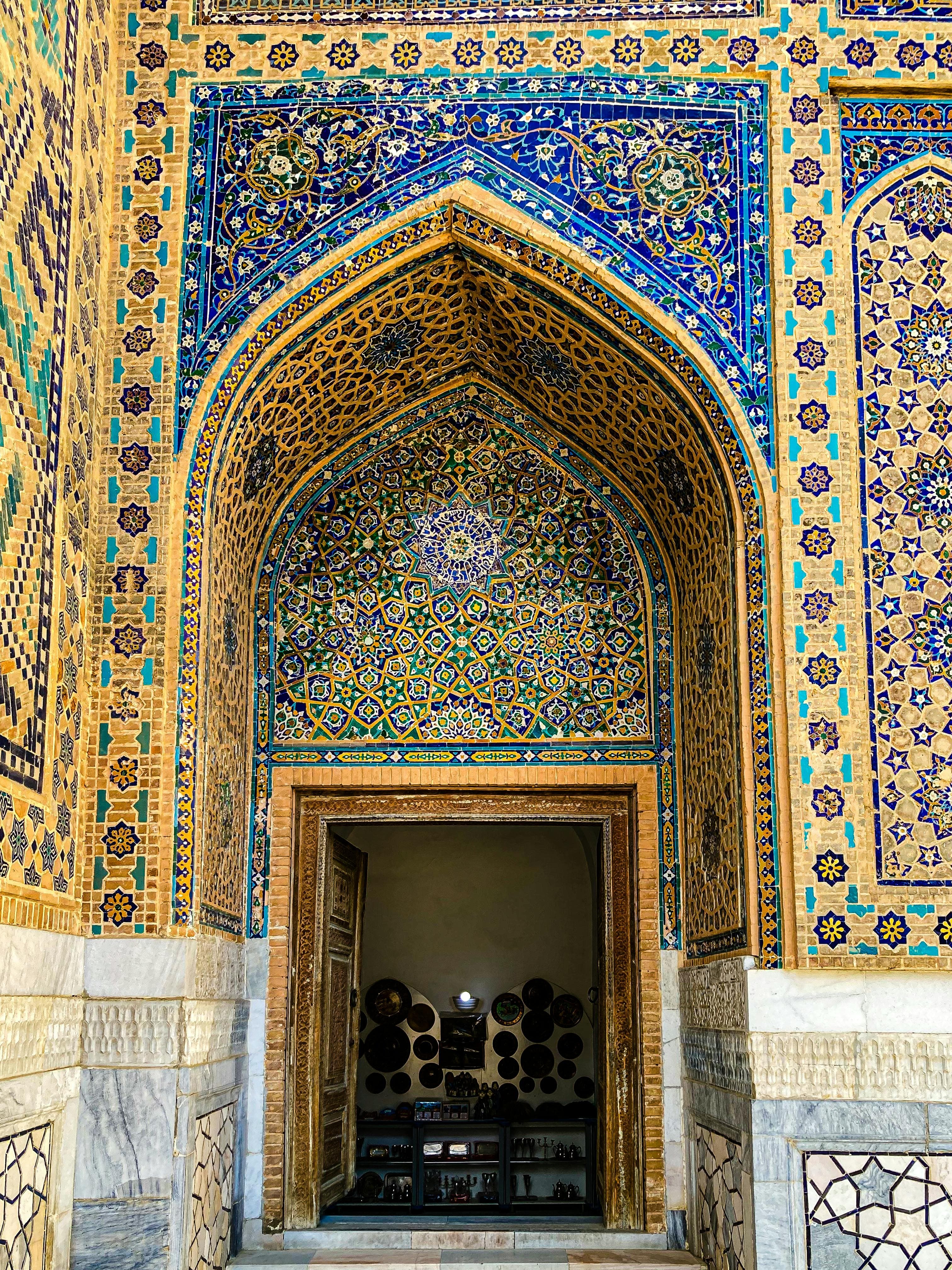
- Wood and stone carving: doors, columns, reliefs
- Metalwork and jewelry: filigree, inlay, engraving
- Painting and miniature: natural pigments, gold leaf, burnishing
- Calligraphy and manuscript arts
Examples from around the world
- Uzbekistan: suzani embroidery (sun, pomegranate motifs), ikat weaving in Margilan, cobalt-blue ceramics of Rishtan.
- India: Madhubani painting, Banarasi brocade.
- Japan: indigo dyeing, woodblock printmaking.
- Mexico: Talavera ceramics, alebrijes carving.
- Morocco: zellige tilework, tadelakt plaster.
Want a focused look at Central Asian heritage? Explore this guide: Uzbekistan art forms, crafts, textiles, ceramics. It outlines key regions, motifs, and workshops you can visit.
Why it matters
- Preserves cultural identity and local knowledge
- Supports artisan livelihoods and fair trade
- Encourages sustainable materials and repairable goods
- Offers context for customs, festivals, and daily life
How traditional art stays alive today
- Apprenticeships and guilds keep standards clear
- Cooperatives share tools, dyes, and markets
- Museums and cultural centers host classes and residencies
- Digital platforms help artisans reach buyers directly
How to appreciate and buy responsibly
- Ask about provenance and the maker's name
- Look for hand marks: slight irregularities, natural dye variation
- Respect cultural symbols; avoid misuse in products
- Prefer direct-from-artist or verified fair-trade sources
- Budget for the time and skill behind each piece
If you're planning a trip, consider meeting artisans where they work. For routes, workshops, and museum stops in Central Asia, start with this Uzbekistan traditional arts overview.
Quick FAQ
- What counts as traditional art? Practices maintained over generations with shared methods and meanings.
- Is traditional art the same as folk art? They overlap; folk art emphasizes community-made, often without formal training.
- Can traditional art innovate? Yes—new colorways, forms, or uses appear, but core skills and symbols remain.
- How to tell handmade from factory? Look for irregularities, tool traces, and maker signatures or stamps.
- Can I learn it? Start with a short course or workshop; many studios welcome beginners.