August 29, 2025 · 1 min read
Traditional Crafts: Names, Types, and Meanings
Short answer: the most common name is "handicrafts." You'll also see "traditional crafts," "folk crafts," "artisan crafts," and in museums or design schools—"decorative and applied arts." These terms overlap, but each has a nuance.
- Handicrafts — made by hand or simple tools; practical or decorative.
- Traditional crafts — rooted in heritage and local techniques passed down through generations.
- Folk crafts — linked to community identity, motifs, and rituals.
- Artisan crafts — small-scale, professional making with a named maker or studio.
- Decorative/applied arts — formal term in art history and design contexts.
Main types and examples
- Textiles: weaving, embroidery, quilting, lace. Examples: ikat weaving, suzani embroidery, kilims.
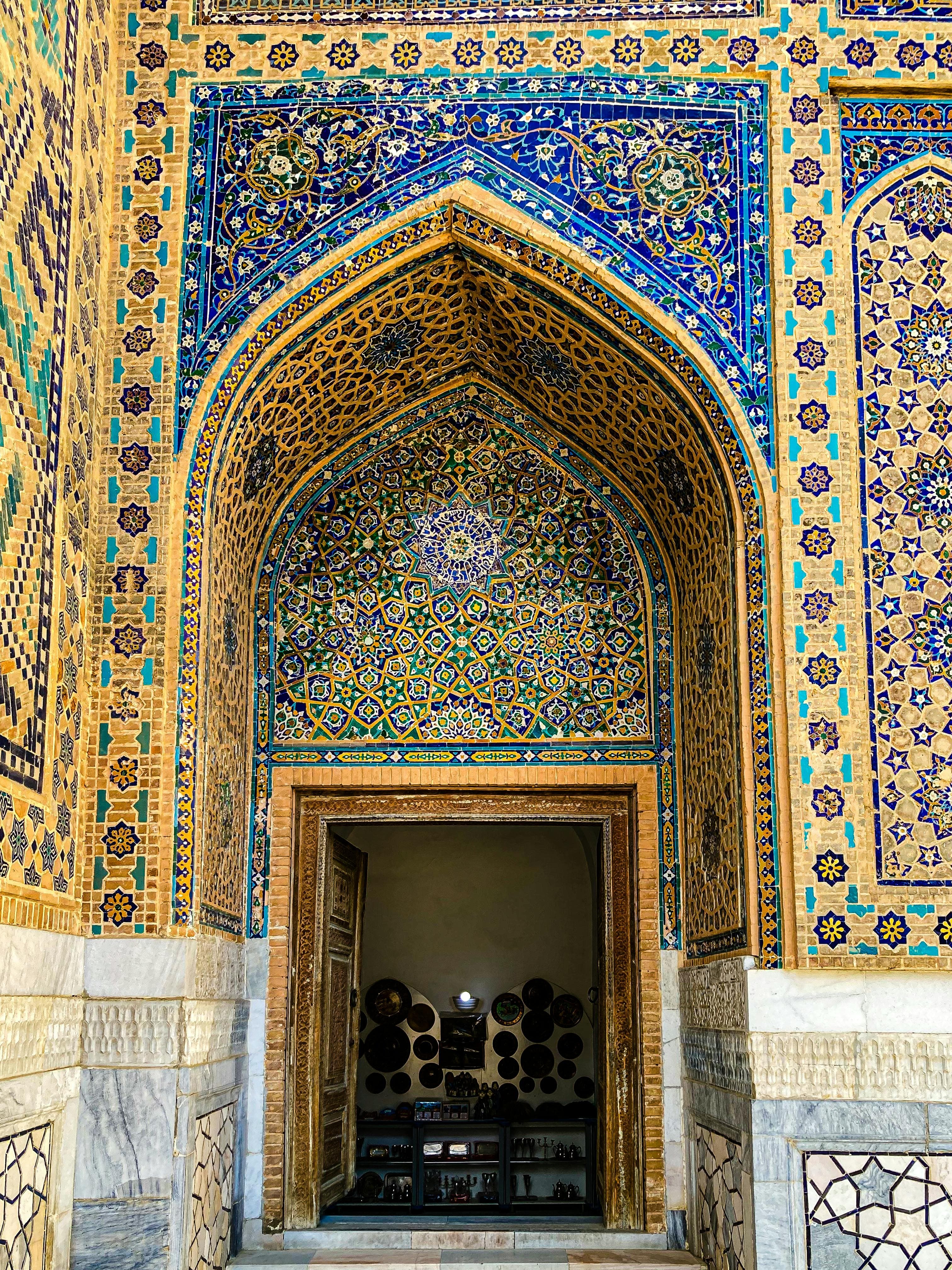
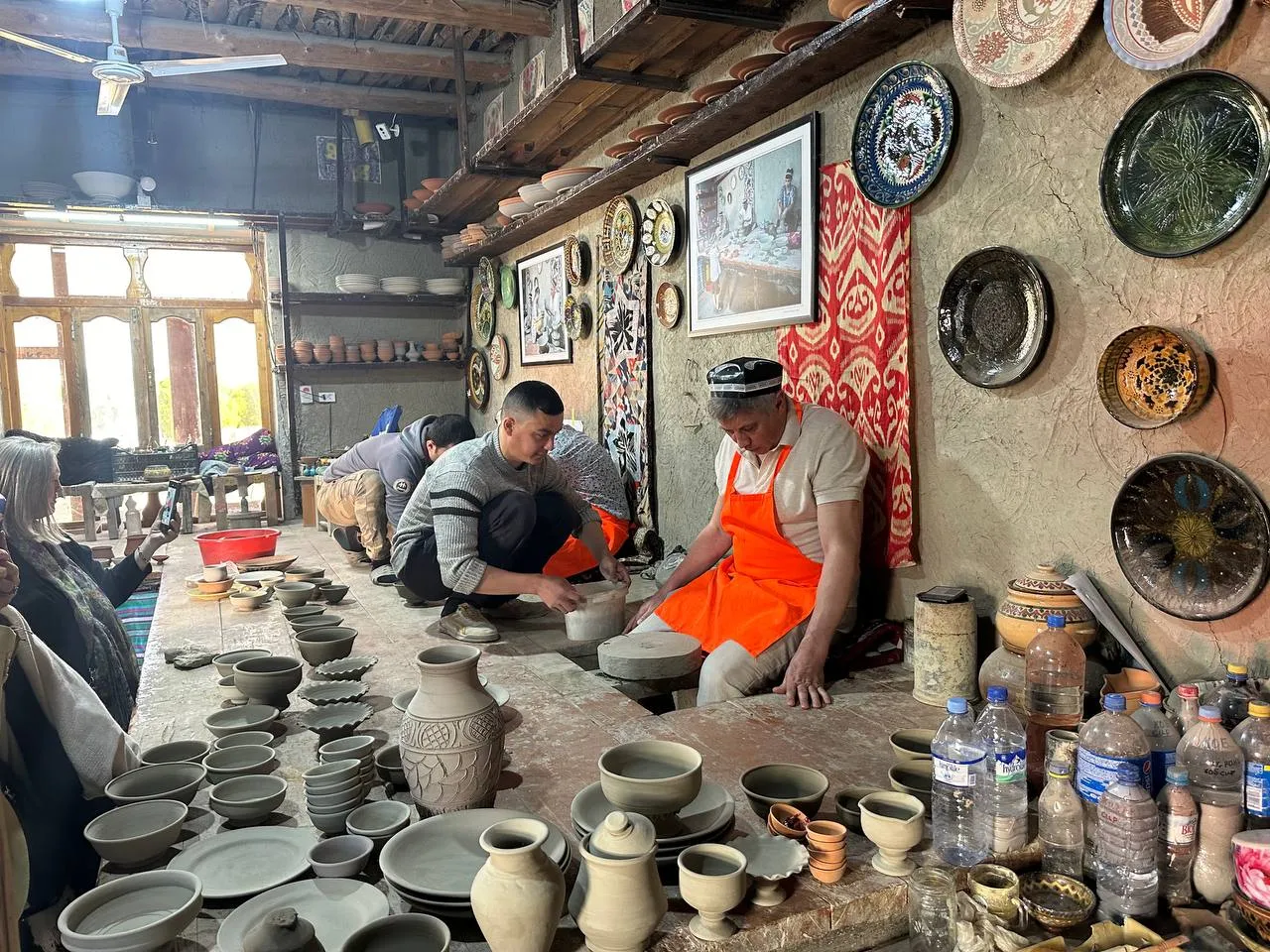
- Ceramics: hand-built or wheel-thrown pottery, glazing, tile work.
- Woodwork: carving, turning, inlay (marquetry), joinery.
- Metalwork: jewelry, chasing and repoussé, filigree, knife-making.
- Leather: tooling, dyeing, bookbinding, footwear.
- Basketry & fiber: cane, reed, palm, felt-making.
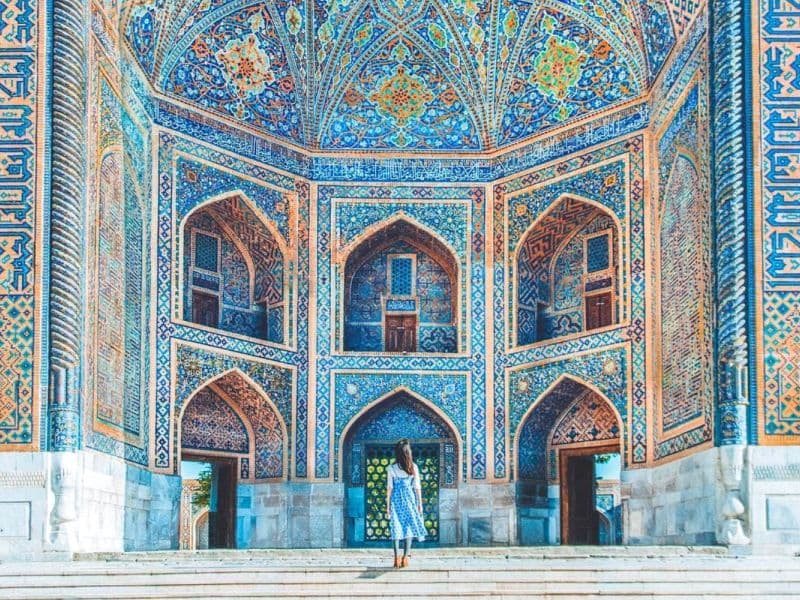
- Stone & plaster: carving, stucco, mosaic.
- Paper & painting: papermaking, miniature painting, calligraphy.
If you're curious about Central Asian traditions, this guide is a good start: Traditional Arts and Crafts of Uzbekistan. It covers suzani, ikat (atlas and adras), Rishtan ceramics, wood carving, and metalwork.
Regional naming notes
- US/UK: "handicrafts" and "crafts" are common; "folk art" often includes painted or sculptural objects with community roots.
- Europe: "applied arts" and "decorative arts" are frequent in museums.
- Heritage sectors use "intangible cultural heritage" for the skills and know‑how behind the craft.
Quick glossary
- Artisan / craftsperson: the maker.
- Atelier / workshop: the place of making.
- Guild / cooperative: traditional or modern maker network.
- Motif / pattern: recurring visual element.
- Provenance: origin and ownership history.
- Techniques to know: weaving, embroidery, filigree, chasing, repoussé, inlay, marquetry, glazing.
How to describe or shop for traditional crafts
- Name the material and technique (e.g., "handwoven silk ikat").
- Mention the region and, if possible, the artisan or workshop.
- Look for signs of handwork: slight irregularities, tool marks, natural dyes.
- Ask about care, repairs, and provenance.
Want to explore living traditions?
Dive deeper with this clear overview: Uzbekistan crafts guide—useful if you're learning terms before a trip or sourcing authentic pieces.
In short, when someone asks, "What is the name of traditional crafts?" you can safely answer: handicrafts. For precision, pick the variant that fits context—"folk crafts" for community heritage, "artisan crafts" for named makers, or "applied arts" in academic settings.