August 30, 2025 · 1 min read
What Uzbekistan Is Best Known For: Top Highlights
Quick answer
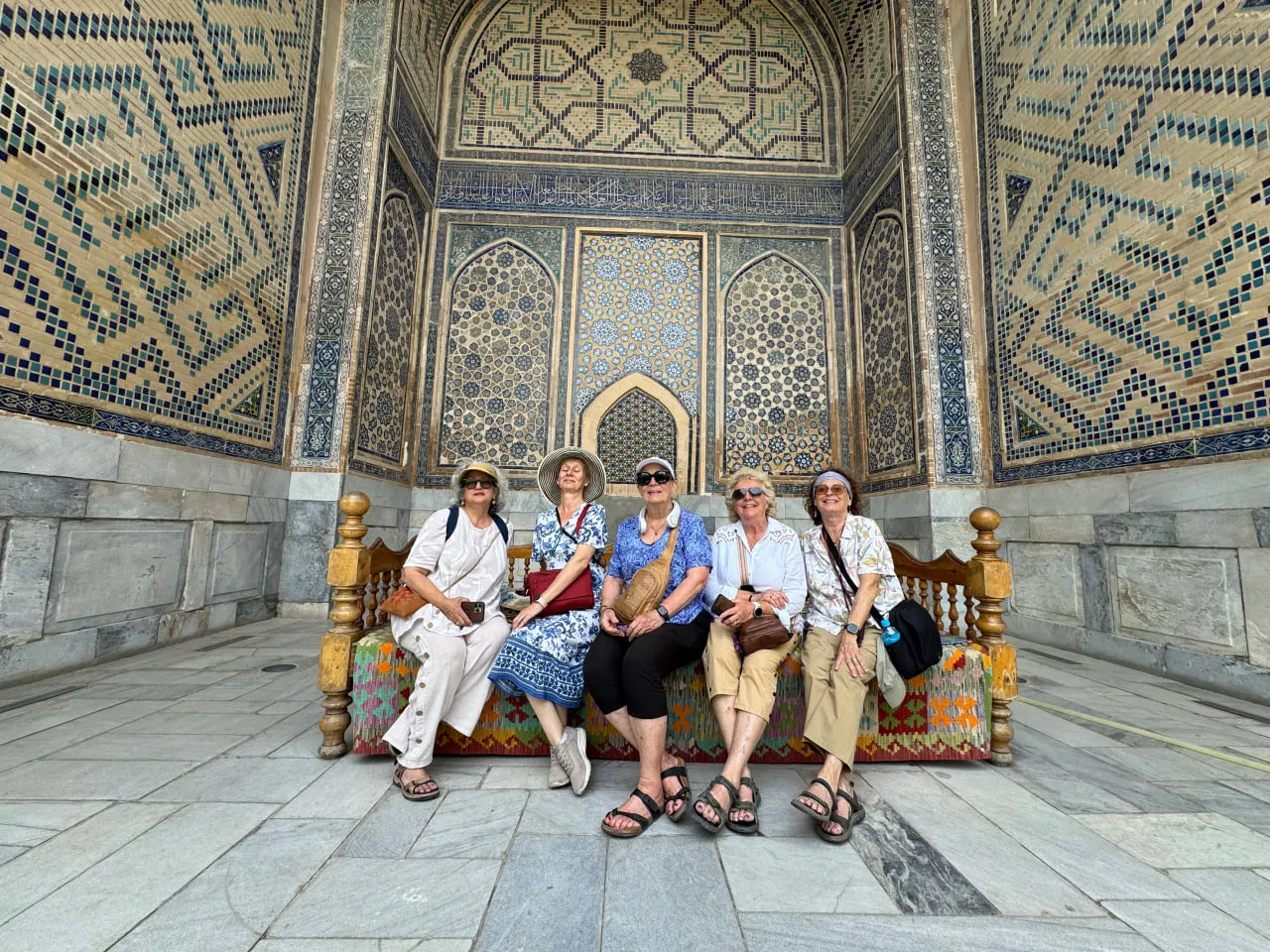
Uzbekistan is best known for its Silk Road cities—Samarkand, Bukhara, and Khiva—whose blue‑tiled madrasas, mosques, and caravanserais make history feel close and real. Add to that generous hospitality, hearty plov, rich craft traditions, and a blend of Persian, Turkic, and Russian influences.
Why it stands out
- Silk Road crossroads that shaped trade, science, and culture
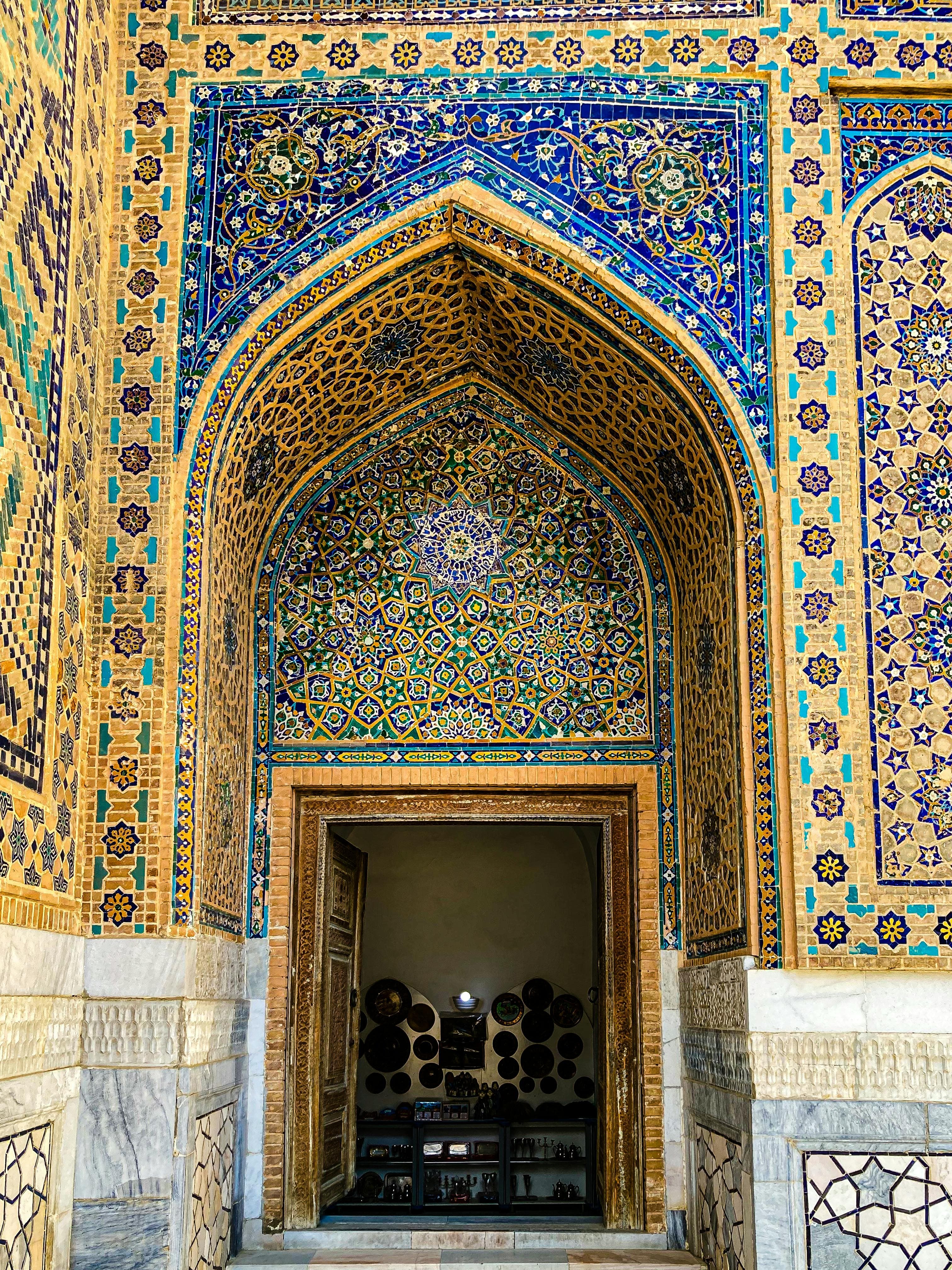
- Timeless architecture with intricate mosaics and domes
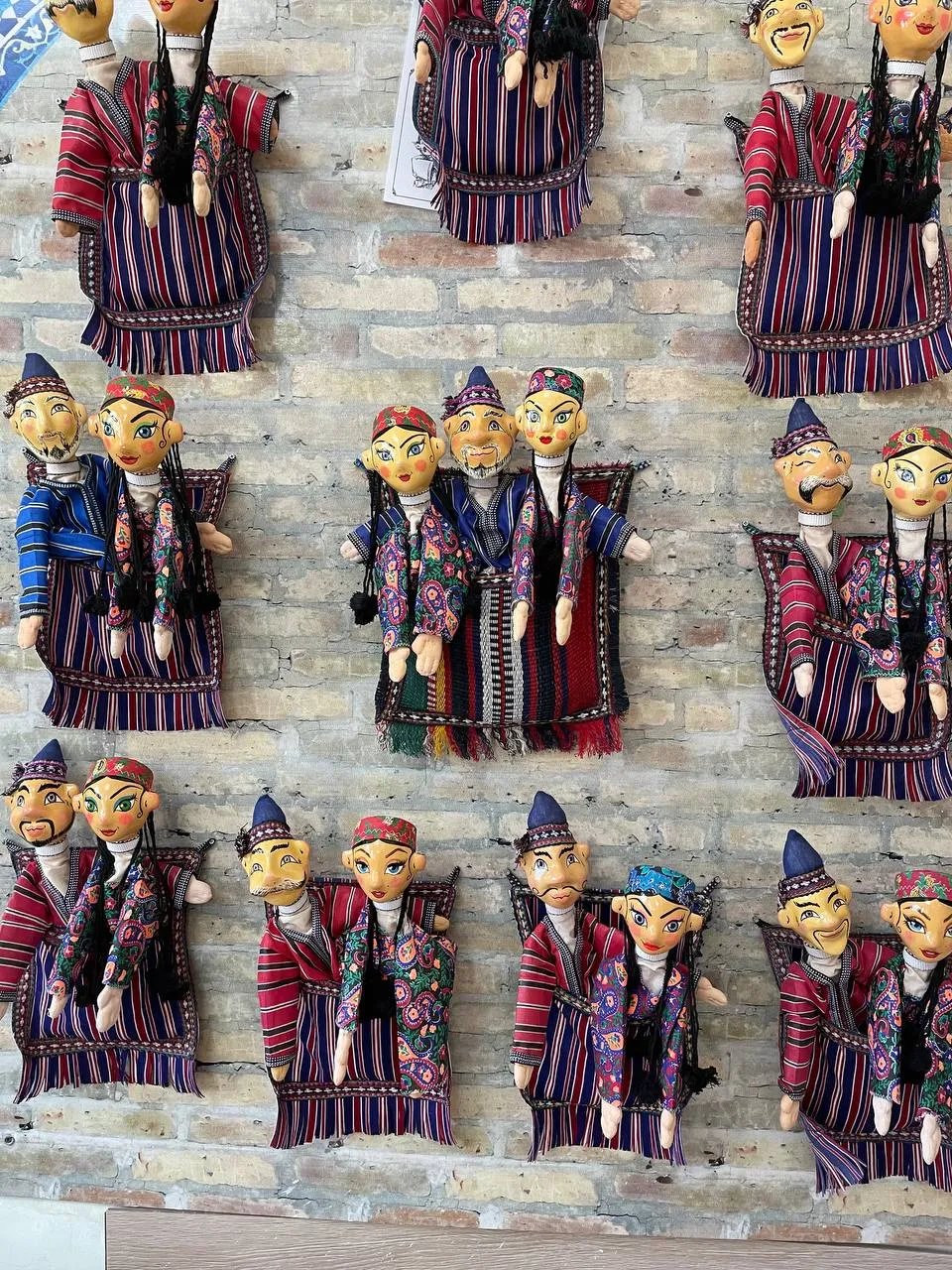
- Living craft heritage: ceramics, suzani embroidery, woodcarving, metalwork
- Comforting cuisine and tea culture
- Safe, welcoming travel with good transport between major cities
Unmissable places
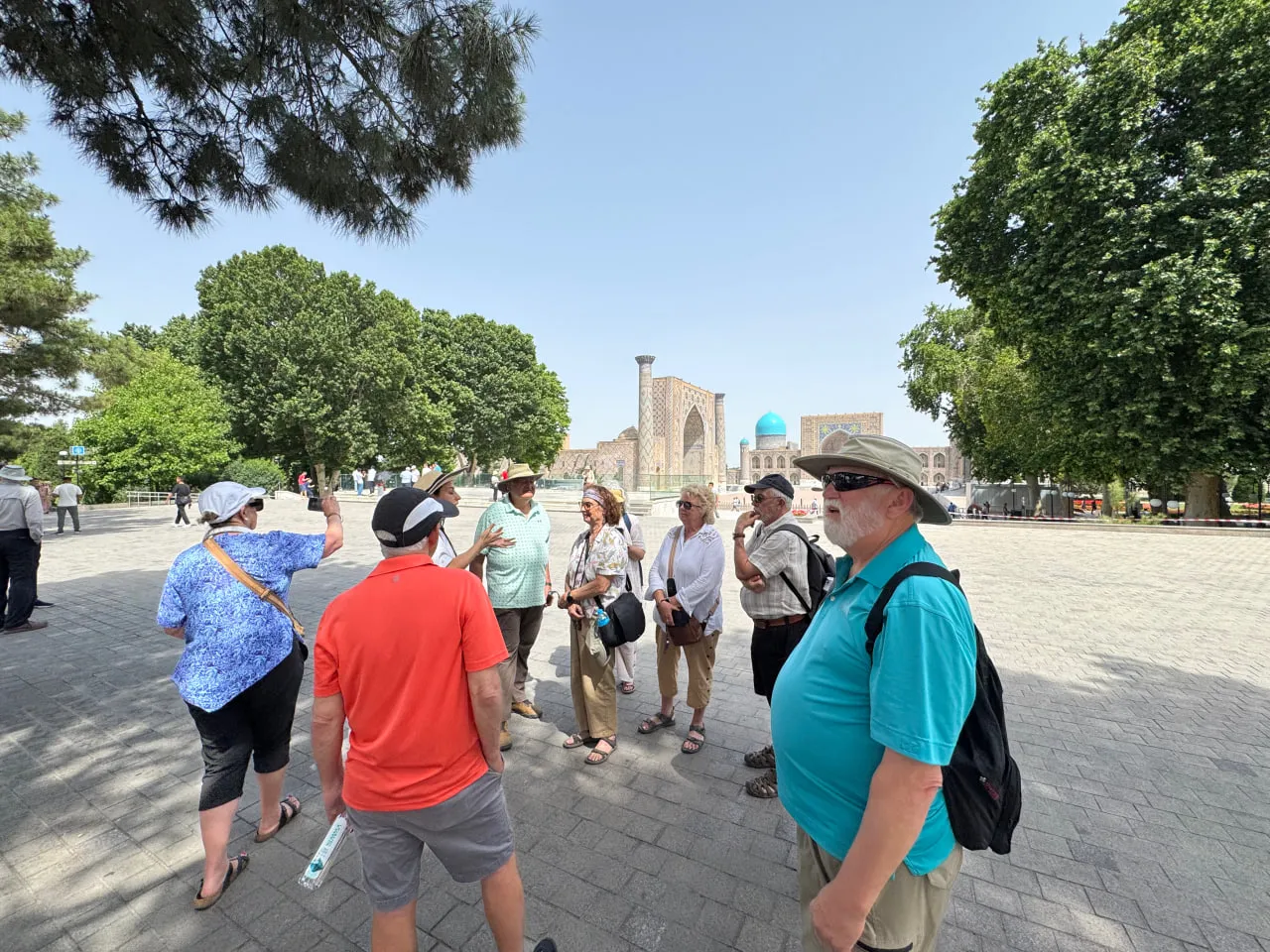
- Samarkand: Registan, Shah-i-Zinda, Gur-e-Amir. The turquoise domes are Uzbekistan's signature image.
- Bukhara: Poi-Kalyan complex, Lyabi-Hauz, ancient trading domes where artisans still work.
- Khiva: Ichan-Kala, a walled museum-city at sunset.
- Tashkent: Soviet-era modernism, a beautiful metro, and lively markets.
Crafts and artisans
Handmade arts are a point of pride. You'll find:
- Ceramic schools in Rishtan and Gijduvan
- Suzani embroidery from Samarkand and Bukhara
- Delicate woodcarving in Khiva and Tashkent
- Metal engraving and jewelry in Bukhara's trading domes
To dive deeper into techniques, motifs, and where to meet artisans, read this guide to the art and craft traditions of Uzbekistan. It explains how designs link to local history and where to shop responsibly.
Food you'll remember
- Plov (osh): rice, meat, carrots, and spices—different in each city
- Non: round bread baked in clay ovens
- Samsa: savory pastry parcels
- Shurpa: a clear, aromatic soup
- Green tea and dried fruit from bustling bazaars
Culture and everyday life
- Hospitality: guests are treated like family; tea and sweets arrive fast
- Festivals: Navruz (spring equinox) brings music, dance, and fresh herbs
- Music: dutar and doira set the rhythm at local gatherings
Nature beyond the cities
- Chimgan and the Western Tien Shan: hiking, snow in season, lake views
- Kyzylkum Desert: camel tracks, starry nights, and yurt stays
- Aral Sea region: sobering history, resilient communities, and stark beauty
Practical tips
- Trains link Tashkent, Samarkand, Bukhara, and Khiva efficiently
- Spring and autumn offer mild weather and clear skies
- Dress modestly in religious sites; ask before photographing people
- Support local makers: buy direct, learn the story behind each piece
For a focused look at heritage crafts—and ideas for workshops and studio visits—don't miss this helpful article on Uzbekistan's arts and crafts.
In short
What Uzbekistan is best known for is a rare mix: world-class Silk Road architecture you can walk through, living crafts you can watch and learn, meals that feel like home, and people who are glad you came.