September 25, 2025 · 1 min read
Nomadic Peoples of Central Asia: History and Today
Who are the nomadic people of Central Asia?
Short answer: mainly the Kazakhs, Kyrgyz, and Turkmen, with Karakalpaks and some Tajik and Uzbek mountain communities practicing seasonal herding (transhumance). They traditionally move with herds across steppe and mountain pastures, living in portable felt tents known as yurts.
Highlights at a glance:
- Core nomadic groups: Kazakhs, Kyrgyz, Turkmen
- Related transhumant groups: Karakalpaks, some Tajik and Uzbek highlanders
- Key animals: horses, sheep, goats, camels
- Home on the move: the felt yurt (kazakh kiiz uy, kyrgyz boz üi)
- Signature skills: horsemanship, felt-making, eagle hunting (in parts of Kazakhstan and Kyrgyzstan)
If you want a deeper, traveler-friendly guide, see this Central Asia nomadic culture guide.
Where they live today
- Kazakhstan: Steppe regions and foothills; many families still move seasonally to summer pastures.
- Kyrgyzstan: High pastures (jailoo) in Tian Shan and Pamir-Alay; yurt camps appear each summer.
- Turkmenistan: Desert-edge and steppe zones; some semi-nomadic patterns remain alongside settled life.
- Uzbekistan and Tajikistan: Mostly settled populations, but mountain herders still practice seasonal moves; Karakalpaks in northwestern Uzbekistan keep steppe traditions.
How nomadism works
Nomadism here is pastoral: families move to find grass and water for herds. Movements are planned by season rather than constant wandering.
- Wintering grounds: protected valleys or settlements
- Spring/autumn: intermediate pastures
- Summer: high meadows with rich grass
This mobility shaped everything: portable homes, minimal heavy furniture, durable textiles, and strong horse culture.
Daily life and skills
- Yurts: Insulated felt walls over a wooden frame; warm in winter, cool in summer; quick to pitch and dismantle.
- Food: Meat and dairy dominate—beshbarmak (Kazakh), shorpo soups, kymyz (fermented mare's milk), airan. In settled zones, plov and baked breads join the table.
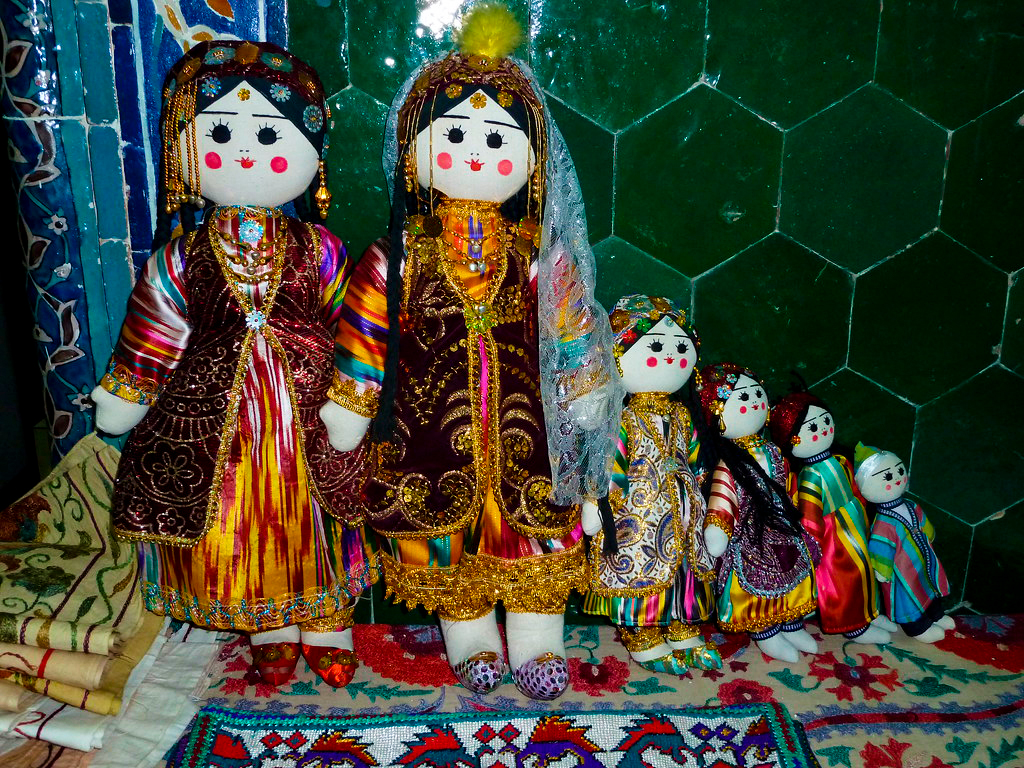
- Craft: Felt carpets (shyrdak, ala-kiyiz), embroidery, leatherwork, saddle-making.
- Music and epics: Dombra and komuz; epic storytelling like the Kyrgyz Manas.
- Animals: Horses for travel and herding; camels in arid zones; sheep and goats as core livestock.
A brief history
- Ancient steppe peoples: Scythians and Saka (1st millennium BCE) pioneered mounted herding and warfare.
- Turkic expansions: Oghuz, Kipchak, and other confederations formed the cultural foundations for Kazakhs, Kyrgyz, and Turkmen.
- Silk Roads: Nomads traded livestock, horses, and felt; they guided caravans and controlled routes.
- Russian Empire and Soviet period: Many communities were pushed to settle; forced collectivization in the 1930s heavily disrupted mobility and herds.
- Today: Nomadism is mixed—some families still herd seasonally; many combine settled homes with summer pasture life; cultural revival is visible in festivals, yurt tourism, and craft cooperatives.
Main groups at a glance
- Kazakhs: Steppe pastoralists organized in zhuz (hordes) and tribal lineages; famed horsemanship and eagle hunting in parts of the east.
- Kyrgyz: Mountain herders, summering on jailoo; strong yurt culture, felt art, and oral epic tradition.
- Turkmen: Historically Oghuz tribes across desert-steppe zones; noted for carpets, horse breeding (Akhal-Teke), and tribal identities.
- Karakalpaks: Lower Amu Darya and Aral Sea region; mixed fishing-herding history with steppe traditions.
- Tajik and Uzbek highlanders: Largely settled farmers, but some practice transhumance—moving flocks between valley and high pasture.
Are they still nomadic?
Yes, but in diverse ways:
- Fully mobile herding families are fewer than a century ago.
- Many maintain seasonal moves while keeping a winter house.
- Some run yurt camps for summer pasture work and for visitors, preserving skills and earning income.
Etiquette when visiting
- Always accept tea; it's a welcome.
- Ask before photographing people, animals, or the interior of a yurt.
- Dress modestly; remove shoes if asked in homes or yurts.
- Bring small, useful gifts: tea, fruit, or local sweets are appreciated.
Practical travel tips
- Best season: late May to September for high pastures.
- Expect basic facilities on pastures; bring layers, sun protection, a power bank, and cash.
- Hire local guides who work directly with herding families.
- Read up before you go—this detailed resource is a good start: Elder Nomadic Culture of Central Asia: A Guide.
FAQ
- Are Mongols part of Central Asian nomadism? Historically related steppe cultures, but Mongolia is usually grouped as East/Central Eurasia; this article focuses on the Central Asian republics.
- What's the difference between nomadism and transhumance? Nomads move homes and herds across seasons; transhumance is seasonal pasture movement, sometimes with a base village.
- Do people live in yurts all year? In some areas, yes; elsewhere, families use yurts mainly in summer pastures and winter in houses.
- Can I ride horses or stay in a yurt? Yes—responsible operators arrange authentic stays that support herders.
Central Asia's nomadic peoples shaped the region's identity—through mobility, craft, hospitality, and a deep bond with landscape. Meeting them today means stepping into living traditions that continue to adapt without losing their core.