October 14, 2025 · 1 min read
Why Asia Matters to the World Today
Asia shapes how the world eats, trades, builds, innovates, and travels. With most of the planet's people, several of its largest economies, and the busiest trade routes, the region sets the pace for growth and change. Below is a clear look at why Asia matters—and what that means for you.
Key reasons Asia matters
- Population scale and demand
- Global manufacturing and supply chains
- Innovation and technology leadership
- Trade routes by sea and land
- Energy, food, and climate resilience
- Geopolitics and security
- Culture, media, and tourism
The global economy's engine
- Scale: Asia is home to roughly 60% of the world's population. That means huge labor markets and fast‑growing consumer demand.
- Production: From semiconductors and electronics to textiles and autos, Asian factories anchor global supply chains. When Asia runs smoothly, shelves are stocked and prices stay steadier worldwide.
- Services and finance: Financial hubs like Tokyo, Singapore, Hong Kong, and Shanghai connect capital across continents. Outsourcing and digital services from South and Southeast Asia keep companies competitive.
Trade routes and connectivity
- Sea lanes: The South China Sea, Malacca Strait, and Indian Ocean carry a large share of global shipping. Disruptions here ripple into fuel prices, delivery times, and inflation everywhere.
- Overland links: Modern rail and road corridors revive ancient connections between East Asia, Central Asia, the Middle East, and Europe, diversifying logistics and reducing risk.
Central Asia and the Silk Road story
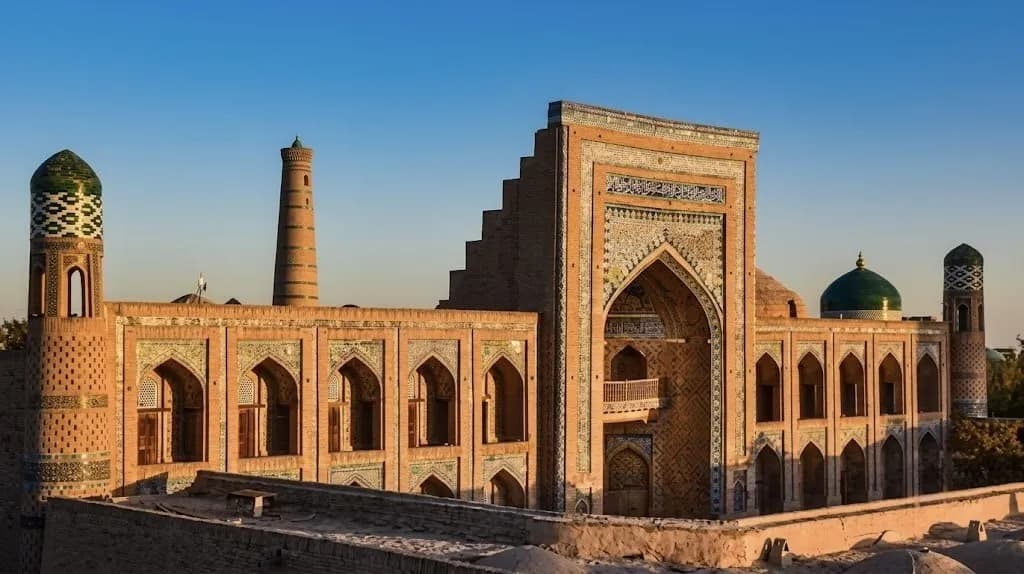
Central Asia once stitched the Old World together through the Silk Road. Nomadic networks moved goods, ideas, and technologies across vast distances, shaping economies and states far beyond the steppe. For a readable overview, see why Central Asian nomads shaped world history. The region still matters today as a bridge between Europe and Asia and as a growing destination for cultural and adventure travel.
Demographics and urban growth
Asia's mega‑cities—from Tokyo to Jakarta—concentrate talent, capital, and infrastructure. Some countries manage aging populations; others are entering a demographic sweet spot. This mix drives innovation and creates new markets for education, health, housing, and mobility.
Innovation and technology
Asia leads in 5G rollout, mobile payments, e‑commerce, advanced manufacturing, and renewable energy components. Hardware and software ecosystems increasingly co‑develop here, turning the region into a laboratory for practical, scalable solutions—from fintech to smart logistics.
Energy, food, and climate
- Energy demand: Asia is a major buyer of oil, gas, and coal, and a top producer of solar and batteries. Its energy choices influence global prices and the pace of the clean transition.
- Food systems: From rice and seafood to spices and fruit, Asian producers and consumers shape global diets and prices.
- Climate action: Many of the world's most climate‑exposed cities are in Asia. Adaptation and mitigation projects here will set examples for coastal protection, resilient infrastructure, and green finance.
Geopolitics and security
Asia hosts key shipping chokepoints, nuclear powers, and strategic alliances. Stability in the region supports predictable trade and investment; tension can raise insurance costs, delay shipments, and unsettle markets worldwide. Engaging Asian institutions and dialogue platforms helps reduce risk.
Culture and soft power
Asian film, music, cuisine, design, literature, and sports travel fast. Cultural exchange builds familiarity that smooths business, education, and tourism. Soft power matters: it opens doors that pure economics cannot.
What this means for you
- Businesses: Diversify suppliers across Asian markets. Track logistics costs, policy moves, and consumer trends by city—not only by country.
- Professionals and students: Build skills around cross‑cultural work, data, and supply‑chain literacy. Follow regional tech standards and regulations.
- Travelers: Explore beyond the usual routes. Central Asia offers history, landscapes, and living nomadic culture. Start with this guide on Central Asian nomads to understand the roots of the Silk Road.
Quick answers
- What makes Asia vital? Scale, speed, and connectivity across people, production, and ideas.
- How does it affect prices? Shipping routes and factory output in Asia influence costs from fuel to electronics.
- Where is the next growth? Secondary cities across South and Southeast Asia, plus renewed links through Central Asia.
Plan your next step
If you want history to come alive, consider a Silk Road journey through Kazakhstan, Kyrgyzstan, Uzbekistan, or Tajikistan. Learn why mobile peoples shaped empires, trade, and culture, and see the legacy in markets, deserts, and mountain passes. A helpful starting point is Minzifa Travel's article on Central Asian nomads—a clear primer before you plan.
In short, Asia matters because it connects the world's flows of goods, people, energy, capital, and culture. Understand Asia, and you understand the forces that set the rhythm of the global economy—and many of the choices that will shape the next decade.