October 1, 2025 · 1 min read
Why Central Asian Nomads Shaped World History
Why nomads mattered more than you think
From the Black Sea to Mongolia stretches a wide belt of open grasslands known as the Eurasian Steppe. For thousands of years, this land was home to mobile herders who lived in felt yurts, mastered the horse, and moved with the seasons. These nomadic people of Central Asia weren't on the margins of history—they sat at its crossroads. They connected distant worlds, reshaped empires, and moved goods, ideas, and armies across continents.
If you want a quick cultural primer before diving deeper, explore this guide: Elder Nomadic Culture of Central Asia. It's a useful starting point for understanding daily life, traditions, and the legacy we still see today.
The steppe as a superhighway
- Geography made the steppe a natural corridor linking China, Persia, the Middle East, and Europe.
- Mobility allowed nomads to scout long distances, map safe routes, and carry news faster than most settled states could.
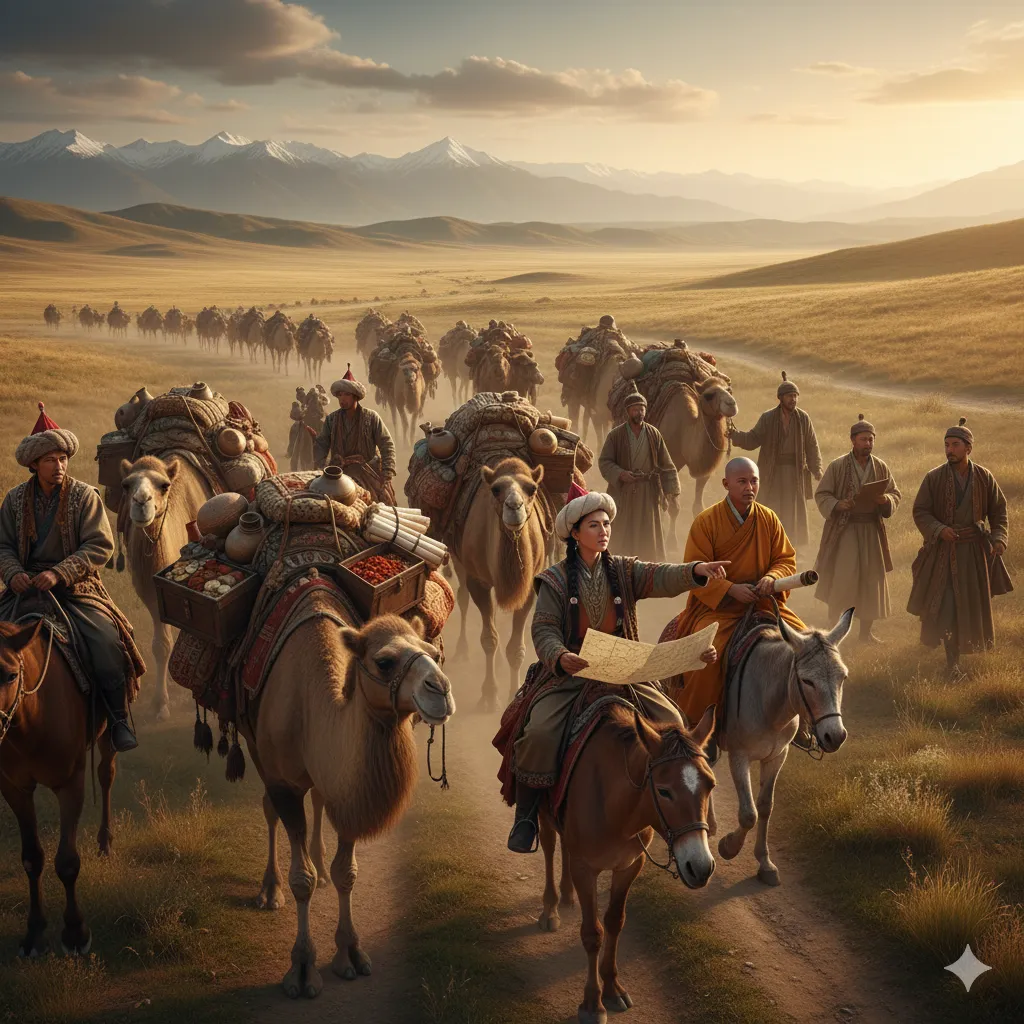
- Their networks preceded and later powered the Silk Road. Caravans moved more safely when steppe confederations guaranteed passage.
Innovations on horseback
- Mastery of the horse transformed warfare, messaging, and trade. Couriers could cover vast distances with relay stations.
- The composite bow, later paired with the stirrup, gave mounted archers unmatched speed and precision.
- Herding lifestyles fostered resilience, logistics know‑how, and flexible command structures—useful far beyond the steppe.
Empires born in motion
Nomadic confederations didn't just raid; they built states.
- Xiongnu, Huns, and early Turkic peoples pressured and influenced Chinese and European frontiers.
- The Göktürk khaganate coined the word "Türk" as a political brand across Central Eurasia.
- The Mongol Empire created the largest contiguous land empire in history, standardizing weights, bolstering waystations (yam), and securing long‑distance trade.
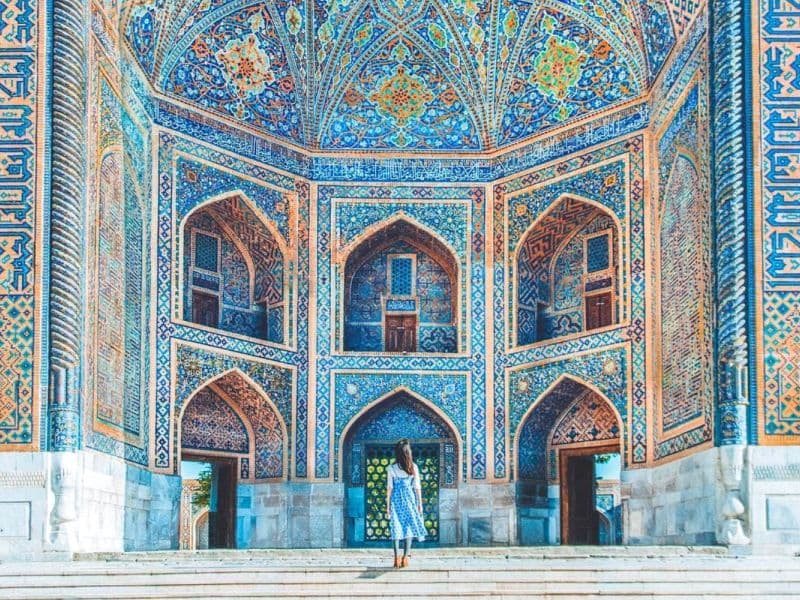
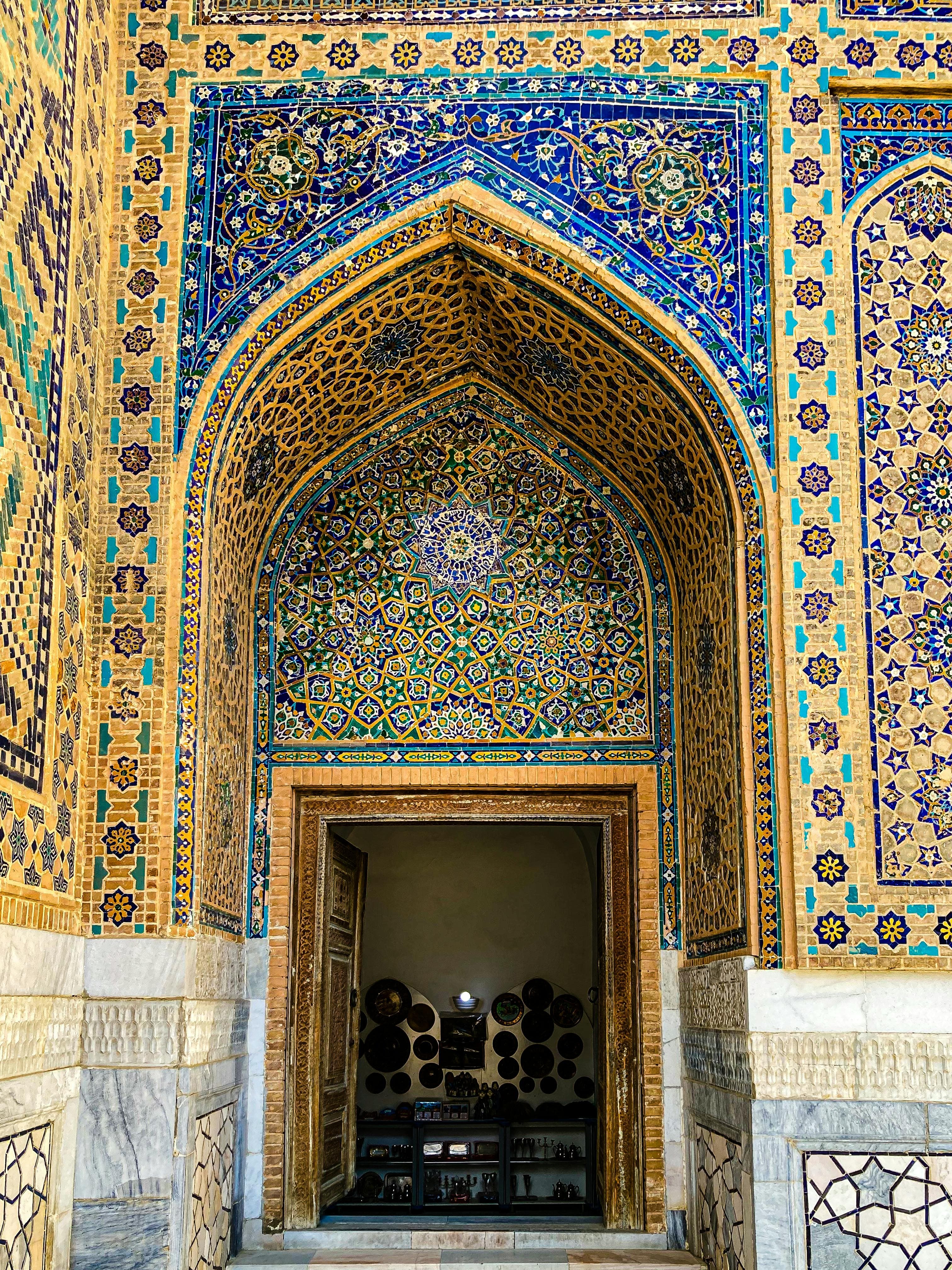
- The Timurid renaissance, rooted in steppe-urban synergy, sparked flourishing arts, architecture, and science in Samarkand and beyond.
The Silk Road that actually worked
Silk Road trade wasn't a single road—it was a web. Nomads helped weave it together:
- They offered protection and credit, mediated disputes, and taxed fairly enough to keep caravans moving.
- Goods: silk, horses, furs, paper, glassware, spices, textiles, and precious metals.
- Ideas: Buddhism moved from India toward China via oasis cities; Islam spread east; technologies like papermaking, gunpowder, and the compass traveled west.
To see how these routes connect to living traditions, check this resource: Central Asian nomadic culture guide.
Military revolutions that changed states
- Steppe tactics forced sedentary empires to adapt—think fortified borders, new cavalry units, and improved logistics.
- Composite bows, feigned retreats, and massed cavalry broke conventional infantry lines.
- These pressures shaped the Great Wall's expansions, altered Byzantine and Islamic military structures, and later influenced Eastern European warfare.
Cities and camps: a productive partnership
Nomads needed cities for markets, metalwork, and diplomacy. Cities needed nomads for security, horses, and long-distance links.
- Oasis hubs like Bukhara, Samarkand, and Kashgar thrived on this exchange.
- Rulers of steppe origin often patronized scholars, astronomers, and poets—turning Central Asia into a knowledge hub.
Climate, movement, and turning points
Shifts in rainfall and pasture quality sometimes pushed migrations, redirecting pressure on frontiers and rebalancing power. These ecological pulses explain why waves of movement—Huns, early Turks, Mongols—arrived in bursts that changed the political map.
Myths to leave behind
- Myth: "Nomads were only raiders." Reality: they built institutions, ran postal networks, and stabilized trade.
- Myth: "Nomads rejected cities." Reality: they partnered with cities and often ruled from them.
- Myth: "Nomadic culture vanished." Reality: it evolved, blending with settled life while keeping core traditions.
Lasting legacy you can still experience
- Language and place names across Eurasia reflect Turkic and Mongol layers.
- Foodways—fermented dairy, mutton dishes, flatbreads—trace steppe-urban exchanges.
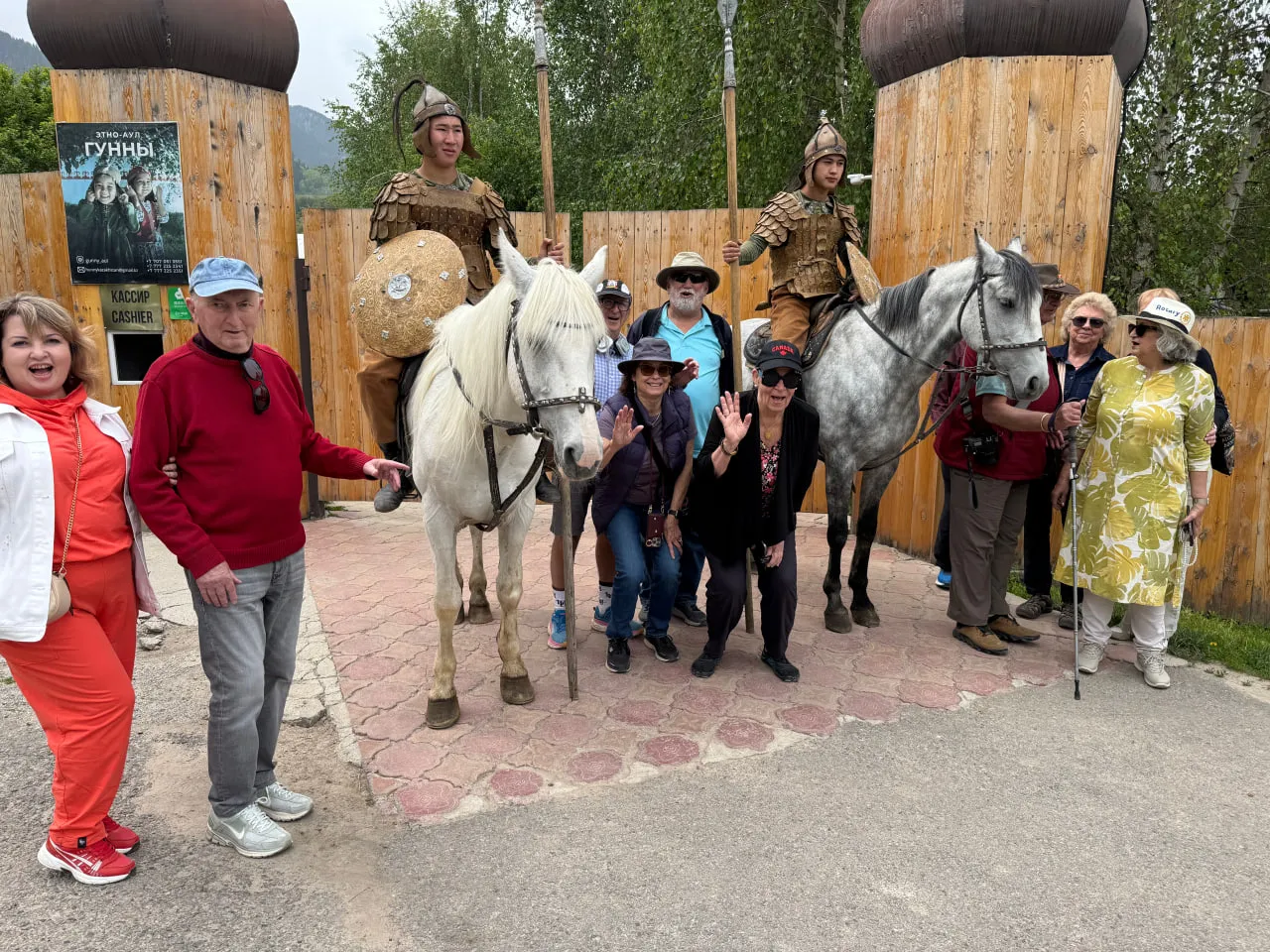
- Falconry, horseback games (like kokpar), yurt craftsmanship, and epic poetry remain vibrant.
Curious to see how these traditions live on? Dive into this overview: Elder Nomadic Culture of Central Asia — A Guide.
Why this matters to world history
- Connection: The steppe linked civilizations, accelerating the flow of goods, people, and ideas.
- Transformation: Military and administrative innovations from the steppe reshaped states on every border.
- Creativity: Crossroads produce fusion. Central Asia's art, science, and architecture blossomed through exchange.
- Continuity: Modern Central Asia still carries this story—living heritage, languages, and routes echo that past.
Quick FAQ
- What made Central Asian nomads different? Mobility, horse culture, and flexible politics that scaled from clans to empires.
- Did they encourage trade? Yes—many steppe rulers protected caravans, standardized measures, and improved roads and postal relays.
- How did they influence Europe and China? Pressure and partnership: military innovations, diplomacy, and trade reshaped policies, defenses, and economies on both ends of Eurasia.
In short
The nomadic people of Central Asia mattered because they connected continents, catalyzed trade, and forged new political models. Their story isn't a side note; it's a backbone of world history—one you can still trace in languages, foods, crafts, and living traditions today.