January 12, 2026 · 1 min read
Eco-Tourism and Outdoor Adventures in Uzbekistan: What to Know Before You Go
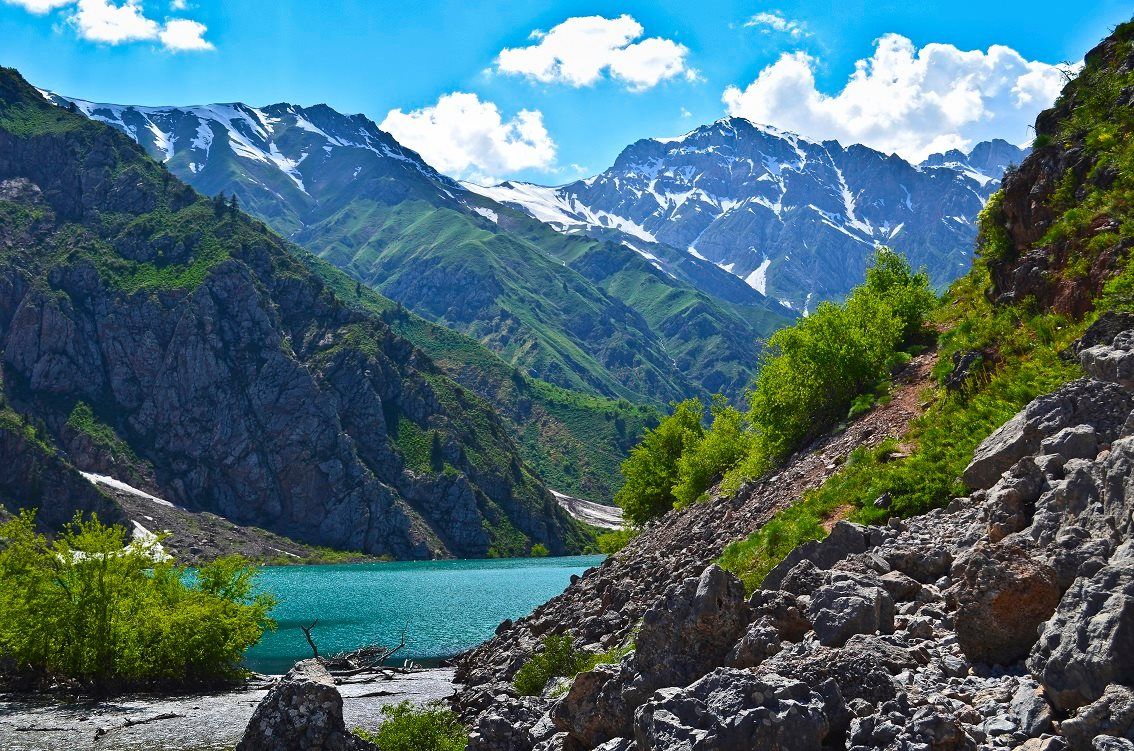
Uzbekistan is rapidly emerging as a premier destination for travelers who seek to leave the city lights behind. In twenty twenty-six, the focus has shifted toward sustainable exploration, where the goal is to experience the wild beauty of Central Asia while preserving its fragile ecosystems.
Before you lace up your boots or pack your binoculars, here are the essential things you need to know about outdoor adventure in this diverse land.
Permits and Regulations: Accessing the Wild
While the ancient cities are open to all, the deep wilderness often requires a bit more preparation:
- Border Zone Permits: Some of the most stunning mountain areas, particularly in the Gissar range or parts of the Ugam-Chatkal National Park, are close to international borders. For these zones, you may need a special permit that can take several weeks to process.
- National Park Fees: Most protected areas require a small entry fee. These funds support local conservation efforts and the maintenance of trails.
- Registration: Remember that even if you are camping, you still need to keep track of your registration. If you spend more than fifteen days in the country, ensure your tour operator or mountain lodge provides the necessary digital registration for your wilderness stays.
Planning for the Elements
The Uzbek climate is extreme, and being prepared is the difference between an adventure and a hardship:
- The Golden Windows: The best times for hiking and eco-tours are from March to May and September to November. During these months, the temperatures are mild, and the landscapes are at their most vibrant.
- The Summer Surge: In July and August, temperatures in the lowlands can exceed forty degrees Celsius. If you visit during this time, stick to high-altitude treks where the air remains cool.
- Gear Essentials: The sun is intense at high altitudes. Always carry high-factor sun protection, a wide-brimmed hat, and a reusable water bottle. For multi-day treks, bring layers; even in summer, the desert and mountain nights can be surprisingly chilly.
Ethical and Sustainable Travel
Eco-tourism is built on respect for the land and its people.
- Support Local Communities: In areas like the Nuratau Mountains, stay in village homestays. Your stay directly provides income for local families and helps preserve traditional rural life.
- Leave No Trace: The "red sands" and alpine meadows are pristine. Ensure you carry out all waste and avoid disturbing the local wildlife, such as the rare Severtsov sheep.
- Cultural Sensitivity: When trekking through remote villages, remember that you are a guest. A modest dress code—covering shoulders and knees—is appreciated and shows respect for the local traditions.
Venture into the Wild with Minzifa Travel At Minzifa Travel, we are pioneers in Uzbek eco-tourism. We believe that the best way to see the country is by walking its hidden paths and sleeping under its vast skies.
- Permit Management: We handle all the complex paperwork for border zones and national parks, so you can focus on the view.
- Certified Guides: Our adventure guides are experts in the local flora and fauna, ensuring your trek is both safe and educational.
- Sustainable Logistics: We curate low-impact tours that prioritize carbon-neutral transport, such as camel treks and hiking, while ensuring you have access to the best local organic food.
The untamed beauty of Uzbekistan is waiting for those who know where to look.
👉 Start your eco-adventure with Minzifa Travel for twenty twenty-six